Konvekta to present CO₂-based thermal management systems for electric buses at mobility move 2026
Konvekta will present its CO₂-based thermal management systems for electric buses at mobility move 2026, focusing on heating, cooling and battery temperature control in daily fleet operations. Konvekta stresses that integrated systems combining heating, cooling and battery conditioning can reduce the energy demand associated with climate control functions in electric buses. According to the company, […]
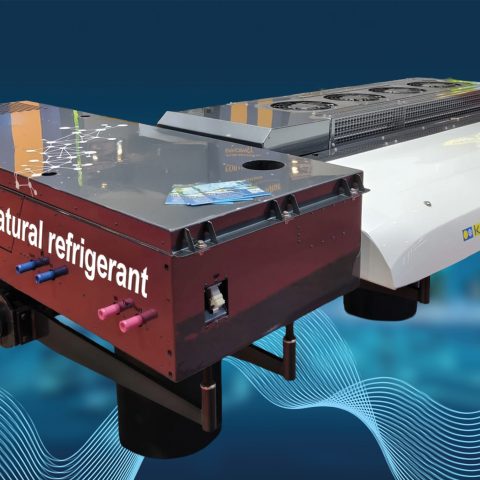
Konvekta will present its CO₂-based thermal management systems for electric buses at mobility move 2026, focusing on heating, cooling and battery temperature control in daily fleet operations.
Konvekta stresses that integrated systems combining heating, cooling and battery conditioning can reduce the energy demand associated with climate control functions in electric buses. According to the company, coordinated temperature control across vehicle subsystems contributes to maintaining operational availability during daily scheduled service.
Konvekta CO₂ refrigerant in bus thermal management systems
Konvekta will present systems based on CO₂ (R744) refrigerant, as refrigerant selection is becoming a relevant factor in vehicle climate systems as some fluorinated refrigerants face regulatory attention due to their global warming potential and potential PFAS associations.
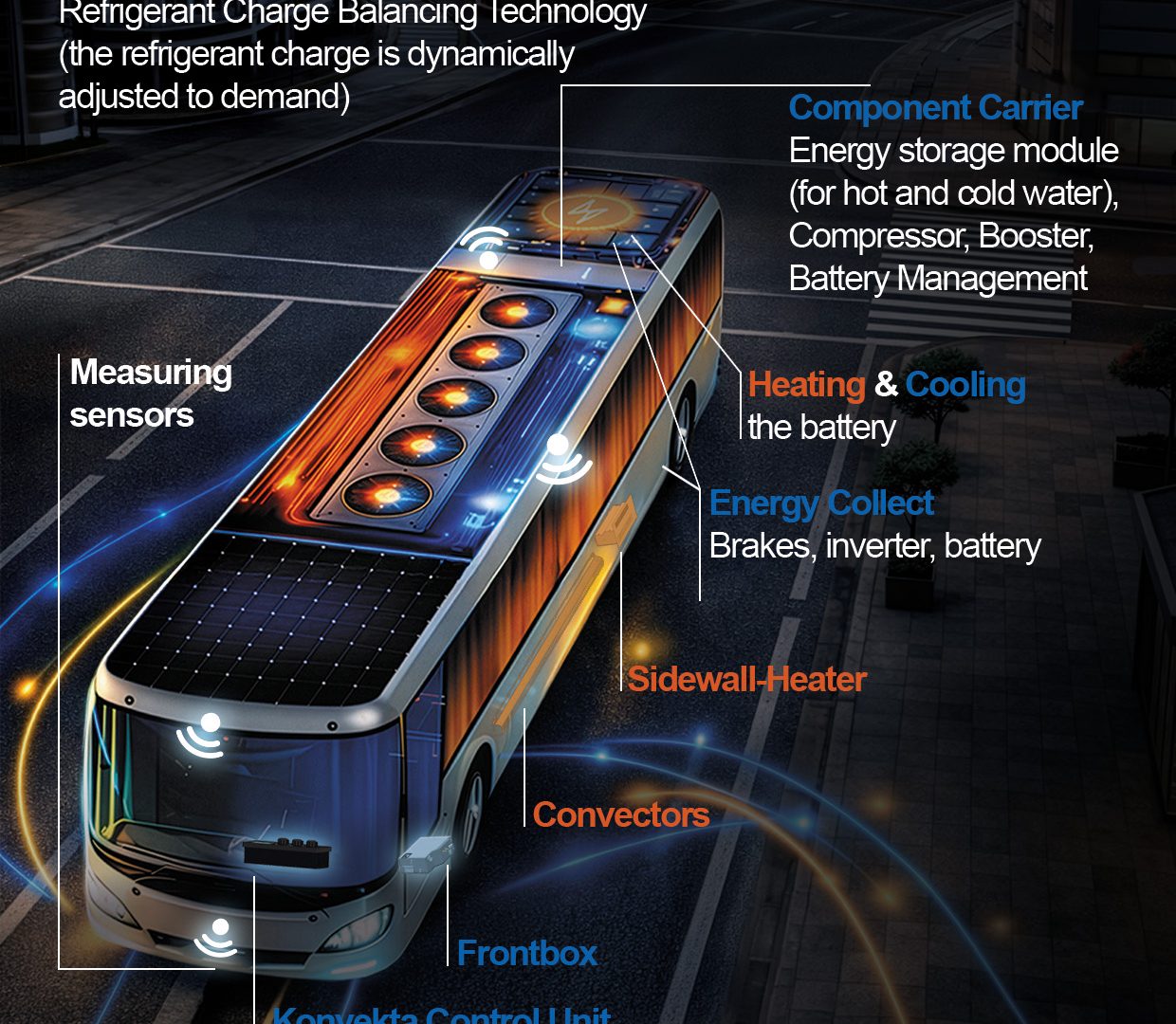
CO₂ is described by the manufacturer as a natural refrigerant with a global warming potential of 1. According to the company, the refrigerant is PFAS-free, non-flammable and not currently subject to phase-out regulations.
CO₂-based thermal management systems are designed to regulate the temperature of the passenger compartment, driver workplace, battery and other temperature-sensitive vehicle components. According to the supplier, optimized use of ambient and waste heat can reduce the energy consumption associated with thermal management during daily bus operations.
Konvekta states: “Heating, cooling, and battery temperature control are among the biggest energy consumers in electric buses today – and thus have a direct impact on range, availability, and operating costs.”
The company also states: “CO₂ (R744) is a natural refrigerant with a global warming potential of 1. It is PFAS-free, non-flammable, and not subject to any foreseeable phase-out regulations.”