Bogotá launches rollout of 711 electric buses with first 68 units bodied by Marcopolo Superpolo
Bogotá has received the first 68 electric buses for TransMiZonal services, part of a 711-unit rollout scheduled for 2026 and 2027. The buses were manufactured in Colombia by Marcopolo Superpolo, with bodywork, interior and assembly carried out locally, while chassis and electric drivetrain components are supplied by BYD, as mentioned on trade agency electrive quoting […]
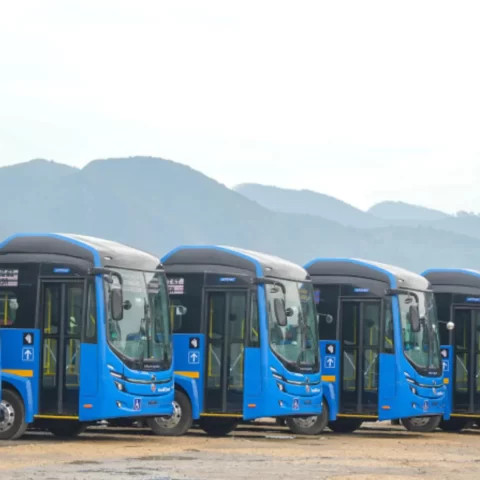
Bogotá has received the first 68 electric buses for TransMiZonal services, part of a 711-unit rollout scheduled for 2026 and 2027.
The buses were manufactured in Colombia by Marcopolo Superpolo, with bodywork, interior and assembly carried out locally, while chassis and electric drivetrain components are supplied by BYD, as mentioned on trade agency electrive quoting local media.
Bogotá starts phased deployment of e-buses
On 27 March 2026, the city of Bogotá presented the first batch of 68 new electric buses assigned to TransMiZonal routes, marking the initial phase of a broader fleet renewal within the Integrated Public Transport System (SITP). According to Bogotá’s city administration, the vehicles are part of a total of 711 units planned for delivery across 2026 and 2027.
The introduction of the new buses is positioned within the ongoing modernization of the capital’s public transport system, specifically targeting the zonal component of TransMilenio operations. The deployment replaces buses that have been in service for more than 15 years, as stated in official communications from the city.
The rollout is structured as a phased integration of battery-electric vehicles into urban operations. The data released by Bogotá’s administration associates the project with fleet renewal, operational upgrades, and the progressive incorporation of zero-emission technologies into the system.
The buses were manufactured in Colombia by Marcopolo Superpolo. Official figures indicate that 1,330 direct workers were involved in the production process, supported by a network of 180 national suppliers.
Marcopolo Superpolo is the Colombian subsidiary of Brazil-based Marcopolo, responsible for local bus body manufacturing and assembly using the parent company’s technology and standards.
The project also includes employment-related figures linked to operations. According to the information provided, the deployment of the fleet is associated with more than 5,300 indirect jobs and reflects an increase of approximately 30 percent in the manufacturer’s production capacity.
The vehicles are part of a domestically produced supply chain, with the industrial component highlighted in the presentation of the first batch. The remaining units are expected to be delivered progressively through 2026 and 2027.
The Bogotá city administration reported that the new fleet is expected to reduce CO₂ emissions by 2,628 tonnes annually, a figure presented alongside an equivalence of more than 119,000 trees.