RTA Dubai to deploy 40 Zhongtong electric buses under 735-vehicle fleet renewal programme
Dubai’s Roads and Transport Authority has taken delivery of the first 250 buses under a wider 735-vehicle procurement programme, including 40 Zhongtong electric buses representing the largest electric bus order ever placed in the UAE – but consistently lagging behind, speaking of MENA region, the landmark e-bus order by Doha, in Qatar, for hundreds of […]
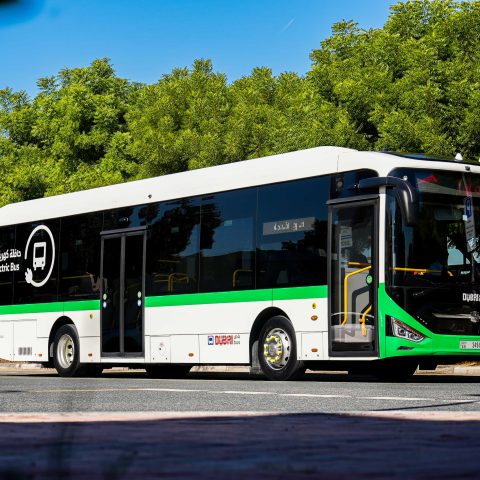
Dubai’s Roads and Transport Authority has taken delivery of the first 250 buses under a wider 735-vehicle procurement programme, including 40 Zhongtong electric buses representing the largest electric bus order ever placed in the UAE – but consistently lagging behind, speaking of MENA region, the landmark e-bus order by Doha, in Qatar, for hundreds of BEV buses.
The arrival of the initial batch, announced by Dubai’s government in a press note, marks a key milestone in RTA Dubai’s ongoing fleet renewal strategy, which aims to expand capacity while aligning public transport operations with long-term environmental and urban development objectives. All vehicles under the contract, except for the e-buses, comply with the Euro 6 low-carbon emissions standard, with deliveries scheduled to be completed by 2026.
Dubai to deploy buses from MAN, Volvo, Anadolu Isuzu
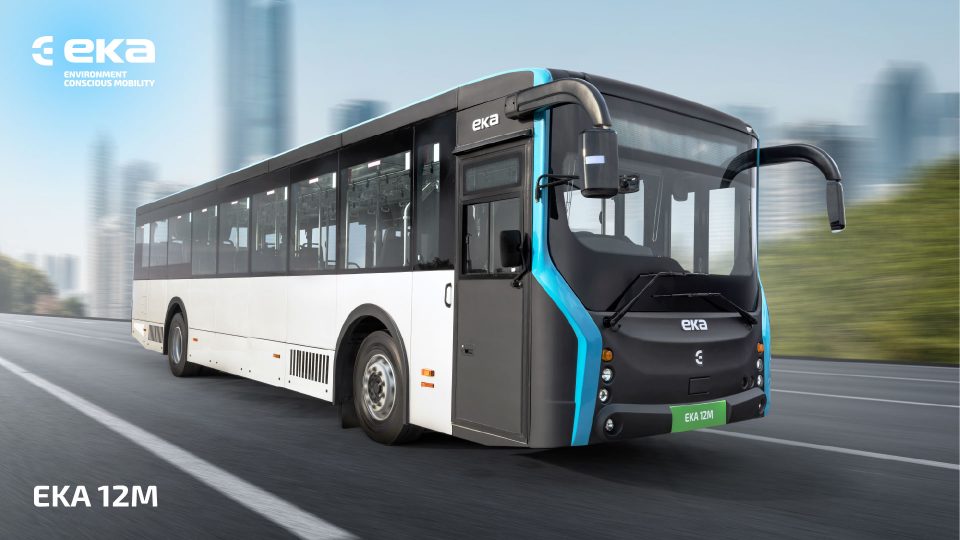
Mattar Al Tayer, Director General and Chairman of the Board of Executive Directors of RTA Dubai, inspected the Zhongtong electric bus, which will operate for the first time on the emirate’s urban routes. The 12-metre vehicle has been specifically engineered for local operating conditions and is designed to complete daily service cycles without returning to the depot for recharging. The bus offers a stated single-charge range of up to 280 kilometres, supported by a 434 kWh battery and a 360 kW ABB fast charger, enabling high operational availability across intensive city routes.
During the inspection, RTA Dubai outlined the technical and operational characteristics of the Zhongtong electric bus, which accommodates up to 70 passengers and is equipped with a 360-degree camera system. The vehicle complies with international safety standards and holds global certifications, while its advanced battery cooling architecture has been developed to ensure stable performance in the UAE’s high-temperature climate. Prior to approval for service, the bus underwent more than three months of testing in Dubai, covering inspection and trial-operation phases on live routes.
RTA Dubai views the electric bus rollout as part of an integrated public transport development plan designed to keep pace with continuous growth in ridership while aligning with global best practices. The authority has indicated that the number of electric buses operating across the emirate will increase progressively, in line with national climate targets and the Dubai Economic Agenda D33, which seeks to strengthen Dubai’s position as one of the world’s leading urban economies.
This trajectory also supports RTA’s Zero-Emission Public Transport Strategy 2050, under which all buses, taxis and limousine vehicles are planned to transition to zero-emission operation, with full electrification or hydrogen adoption targeted for the bus fleet by mid-century.
Beyond the electric segment, the procurement contract includes 549 city-service buses comprising 400 MAN units and 149 Zhongtong vehicles, all built to Euro 6 standards and classified as Class II under the United Nations vehicle classification system. These buses are intended to provide operational flexibility across both urban and inter-urban routes. The order further covers 76 Volvo double-decker buses and 70 articulated buses supplied by Isuzu Anadolu, aimed at serving high-density corridors and newly developed districts while increasing overall network capacity.
Mattar Al Tayer said: “The initiative also forms part of an integrated strategic plan developed by RTA to advance Dubai’s public transport system in line with global best practices. The plan seeks to deliver the highest standards of service to public transport users and to keep pace with the continuous growth in ridership, to make public transport the preferred choice for residents. In the near future, there will be a gradual increase in the number of electric buses operating across the Emirate, in line with national directions to reduce the carbon footprint and achieve climate neutrality by 2050, and in support of the Dubai Economic Agenda D33, which seeks to strengthen Dubai’s position as one of the world’s largest urban economies.. These efforts also support RTA’s Zero-Emission Public Transport Strategy 2050, which aims to convert all buses, taxis and limousine vehicles to zero-emission operation. Under this strategy, RTA seeks to transition 100% of public transport buses to electric and hydrogen power by 2050″.