Karsan continues expansion into Spanish market
Sustainable Rural Mobility. Karsan continues to expand its influence in Spain, facilitating travel in small towns and villages with its range of zero-emission buses. Currently, Karsan vehicles circulate in areas such as the historic center of Tudela or Badajoz with minibuses ranging from 5.8 to 8.2 meters in length and with a capacity of between […]
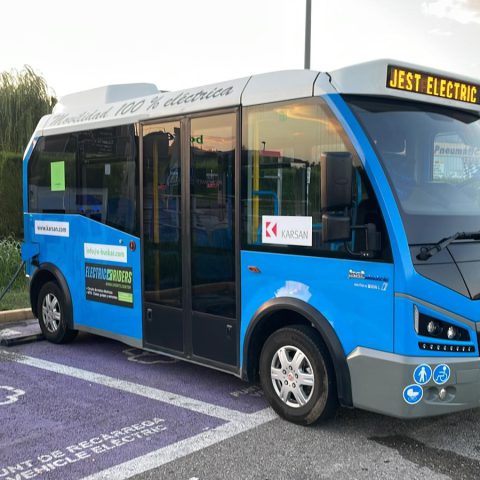
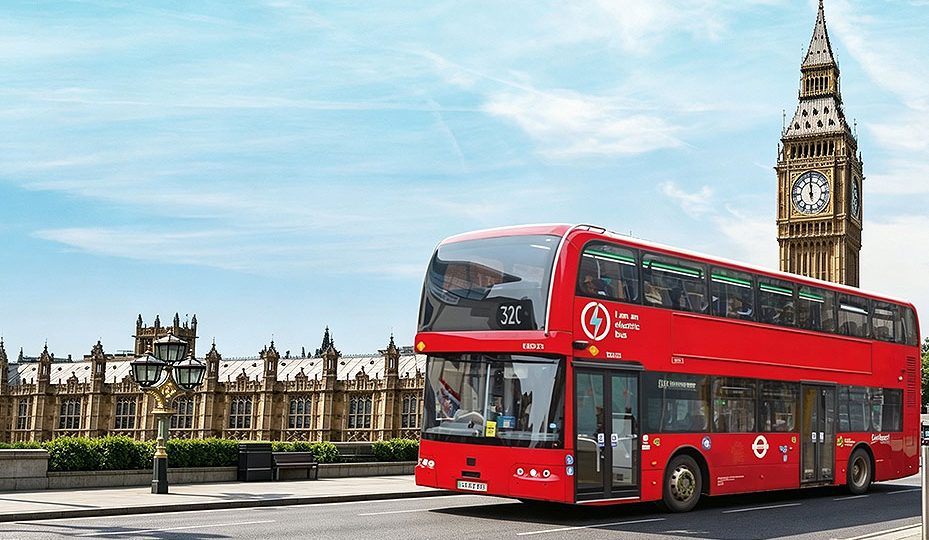
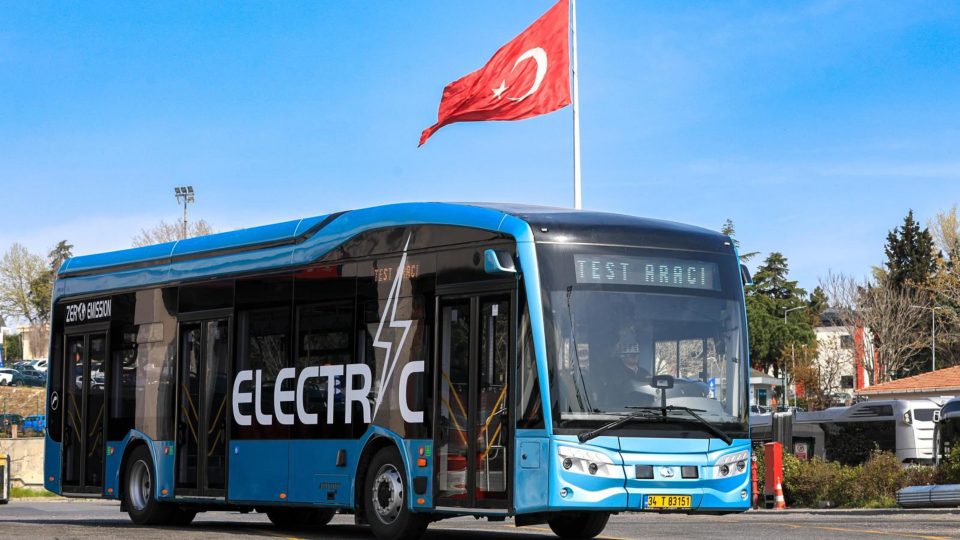
Sustainable Rural Mobility. Karsan continues to expand its influence in Spain, facilitating travel in small towns and villages with its range of zero-emission buses. Currently, Karsan vehicles circulate in areas such as the historic center of Tudela or Badajoz with minibuses ranging from 5.8 to 8.2 meters in length and with a capacity of between 19 and 48 seats. Soon they will also be present in Figueres and Arrecife. Specifically, in the latter municipality, the company has delivered a new fleet of three buses that will replace the municipality’s previous combustion vehicles.
Ángel Luis Estrella, General Manager of Karsan Spain, explained that «buses play a strategic role in providing mobility services in these rural areas with smaller populations or in historic centers that need smaller vehicles. In addition, they are also a key transportation method for groups with less access (youth, elderly, and people with reduced mobility) or lower incomes»
On-demand buses, a solution for rural transportation?
In rural areas, regular public transportation service is still very poor, as is its frequency. With this in mind, Karsan continues to work to lead the transformation of sustainable mobility not only with the integration of new vehicles in rural areas or for groups with less access, but is also promoting new initiatives such as “bus on demand.” Under this project, small town residents can request a bus when they need to travel. In this way, buses will not run empty, as is currently the case, but will adapt their routes based on demand.
Fran Ramis, CEO of Karsan Spain, points out that «collective transportation is an ideal solution to improve rural mobility. Following the example of school transportation-which is demand-driven-similar models could be proposed for other activities that are routinely carried out by large numbers of people to places of work, medical centers, recreational areas».