Porto launches hydrogen BRT corridor with CaetanoBus-led consortium
CaetanoBus has led the deployment of a hydrogen-powered Bus Rapid Transit system in the Portoguese city of Porto through a consortium delivering an integrated hydrogen mobility solution. The city has launched its first hydrogen-powered Bus Rapid Transit (BRT) corridor through a consortium led by CaetanoBus. According to the company, the initiative represents the world’s first […]
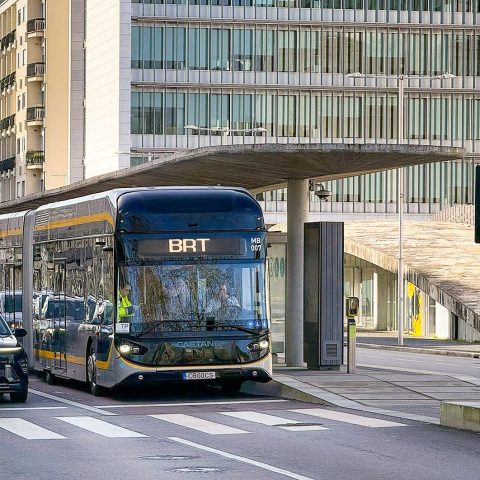
CaetanoBus has led the deployment of a hydrogen-powered Bus Rapid Transit system in the Portoguese city of Porto through a consortium delivering an integrated hydrogen mobility solution.
The city has launched its first hydrogen-powered Bus Rapid Transit (BRT) corridor through a consortium led by CaetanoBus. According to the company, the initiative represents the world’s first hydrogen BRT consortium led by a bus OEM, with the manufacturer acting as prime contractor responsible for delivering an integrated zero-emission mobility ecosystem.
Within the project framework, CaetanoBus coordinated the implementation of the system under what it describes as a “one face to the customer” model. The company assumed responsibility for coordinating the different partners involved in the project and for integrating the vehicles, energy infrastructure and operational systems required to operate the hydrogen BRT corridor for Metro do Porto.
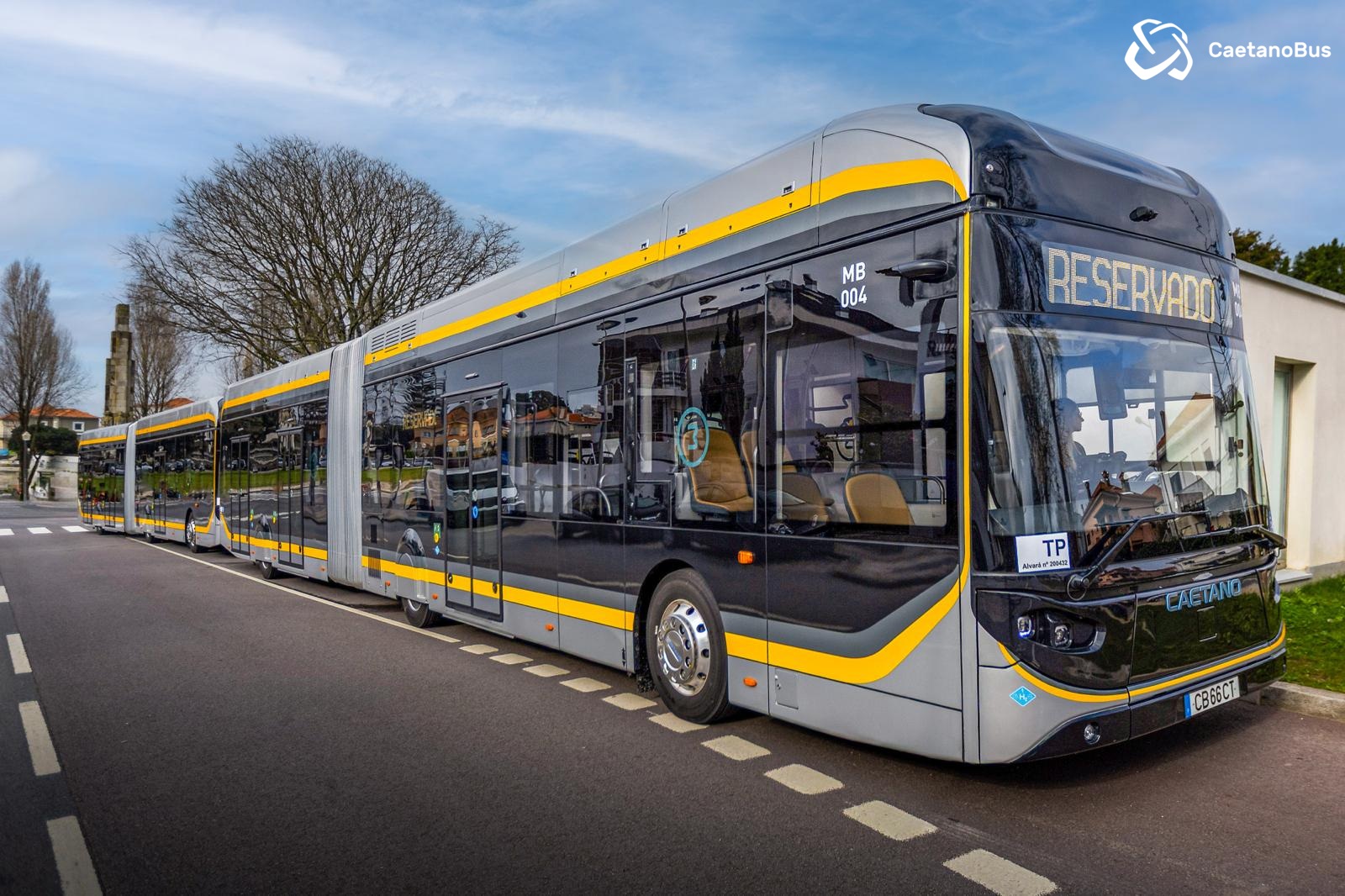
The corridor operates with twelve Caetano H2.CityGold articulated hydrogen fuel cell buses designed for high-capacity urban transport. The 18-meter vehicles are configured with doors on both sides to allow boarding from central platforms along the BRT route.
It’s not a great moment for hydrogen ventures in public transport: Aberdeen in Scotland has just announced intention to sell its 25-units fuel cell bus fleet. Also lately Arthur Bus, a startup focusing on fuel cell bus manufacturing, has filed for insolvency. However, there are examples of cities going in the opposite direction, such as Vienna, where in late 2025 line 39A switched to full hydrogen operation.
CaetanoBus in Porto: H2 ecosystem + vehicle operations
As consortium leader, CaetanoBus states it coordinated the integration of the different technical components required for hydrogen-based public transport operations.
The project includes the supply of hydrogen fuel cell electric buses, the deployment of a local green hydrogen production system and the installation and commissioning of hydrogen refueling infrastructure. Renewable electricity generation is provided through photovoltaic installations deployed at the site.
The vehicles belong to the new generation of zero emission buses by CaetanoBus presented in 2025. The new bus family covers lengths from 8.5m to 18m and is made using components and technology from Chinese rolling stock giant CRRC.
Beyond deployment, this project enables CaetanoBus to capture comprehensive technical and economic performance data across the entire lifecycle, from system engineering and infrastructure integration to daily fleet operation. This data-driven approach allows us to simulate, refine and validate a scalable, technically robust and commercially sustainable service model that will support our future Energy & Mobility as a Service offer
Nuno Lago de Carvalho, member of the Executive Committee and CCO at CaetanoBus
The hydrogen production system is supplied by PRF, while the solar energy system is provided by DST Solar, both partners within the consortium coordinated by CaetanoBus.
Additional elements of the project include depot energy management and fleet optimization systems, the design of a maintenance workshop prepared for hydrogen vehicles and long-term maintenance services supported by predictive models and artificial intelligence tools.
According to CaetanoBus, the system architecture enables Metro do Porto to operate a fully decarbonized BRT corridor supported by local green hydrogen production combined with renewable solar energy.
The hydrogen buses operating on the corridor are based on CaetanoBus’ H2.CityGold platform and integrate Toyota fuel cell technology.
Strategic shift toward integrated mobility services
CaetanoBus describes the Porto project as part of a broader strategic evolution from a bus manufacturer toward a provider of integrated mobility and energy solutions.
By acting as consortium leader and prime contractor, the company assumes responsibility for coordinating the design, deployment and operational phases of the hydrogen mobility ecosystem.
Nuno Lago de Carvalho, member of the Executive Committee and CCO at CaetanoBus, highlights: “By leading the consortium to deliver a fully integrated mobility solution, we demonstrate our capability to structure and manage complex, multi-stakeholder zero-emission mobility ecosystems from design through implementation and real-world operation. Beyond deployment, this project enables CaetanoBus to capture comprehensive technical and economic performance data across the entire lifecycle, from system engineering and infrastructure integration to daily fleet operation. This data-driven approach allows us to simulate, refine and validate a scalable, technically robust and commercially sustainable service model that will support our future Energy & Mobility as a Service offer”.