Belgium, De Lijn ends hydrogen bus operations, electrification strategy focuses on BEV
Belgian public transport operator De Lijn has permanently withdrawn its five hydrogen-powered buses in Antwerp, citing operational and financial constraints. Alongside the decommissioning of the vehicles, the company has also decided to dismantle the hydrogen refuelling station at Vaartkaai. The news has been reported on local media and on trade outlets such as CleanTechnica, H2-View […]
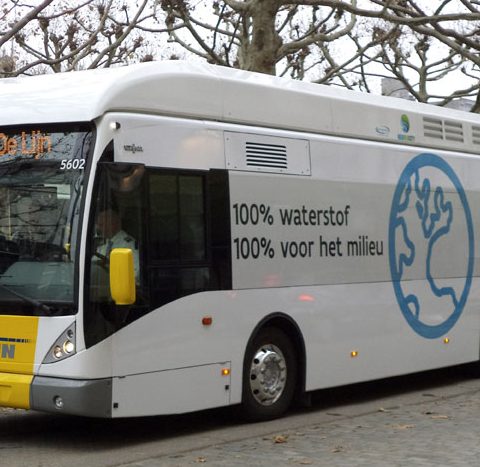
Belgian public transport operator De Lijn has permanently withdrawn its five hydrogen-powered buses in Antwerp, citing operational and financial constraints. Alongside the decommissioning of the vehicles, the company has also decided to dismantle the hydrogen refuelling station at Vaartkaai.
The news has been reported on local media and on trade outlets such as CleanTechnica, H2-View and electrive.
De Lijn shuts off fuel cell bus operations
A key factor in this decision is mentioned as being the bankruptcy of Van Hool, provider of the small fleet, that was delivered in 2014. With the company’s closure, technical support and maintenance options were no longer available, contributing to higher operational costs over the vehicles’ lifetime.
Flemish Minister of Mobility, Annick De Ridder, confirmed that De Lijn’s future strategy will focus exclusively on battery-electric buses. “With the bankruptcy, technical support and maintenance options disappeared. Combined with higher operational costs, the decision was made to dismantle the hydrogen refuelling station at Vaartkaai and retire the five hydrogen buses,” De Ridder stated.
She further emphasized that hydrogen is not currently considered a viable solution for public transport in Belgium. “Our electrification strategy is focused on battery-powered vehicles. There are no plans to deploy hydrogen buses,” she added.