31 new fuel cell buses for RVK. Wesseling to be served only by hydrogen vehicles (Solaris-made)
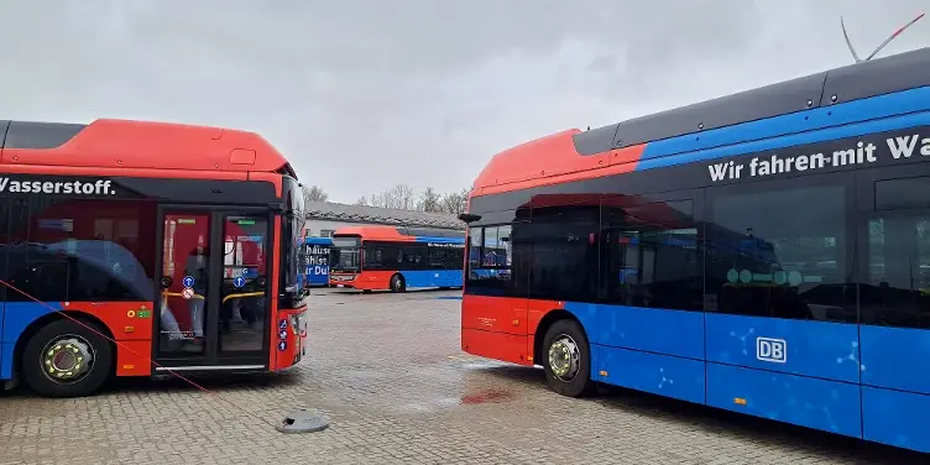
The German town of Wesseling has taken a significant step towards a cleaner and greener future by introducing fuel cell buses into its public transportation system. The Regionalverkehr Köln GmbH (RVK), the local public transportation company, now operates in the town exclusively with these hydrogen fuel cell buses, called Urbino 12 hydrogen, replacing traditional internal […]
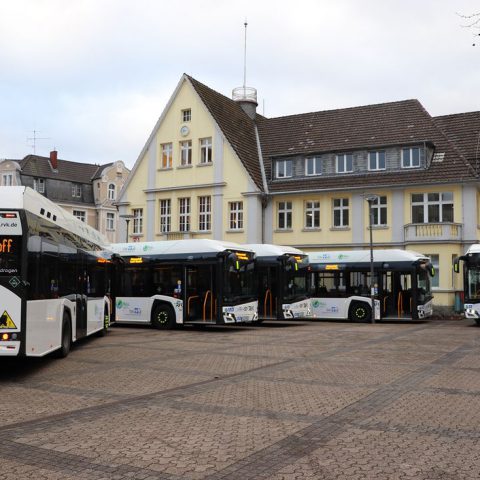
The German town of Wesseling has taken a significant step towards a cleaner and greener future by introducing fuel cell buses into its public transportation system. The Regionalverkehr Köln GmbH (RVK), the local public transportation company, now operates in the town exclusively with these hydrogen fuel cell buses, called Urbino 12 hydrogen, replacing traditional internal combustion engines buses. The information are reported on a Linkedin post of the Polish manufacturer.
RVK has ordered a total of 31 hydrogen-powered buses from the manufacturer in 2022, adding to the 15 vehicles ordered in 2020. As a result, RVK has the largest fleet of hydrogen-powered Solaris buses in all of Europe. This initiative solidifies RVK’s commitment to sustainable transportation solutions and makes Wesseling a leader in the adoption of hydrogen buses.