Daimler Buses Solutions to deploy 600 kW public charging infrastructure in Munich Central Bus Station
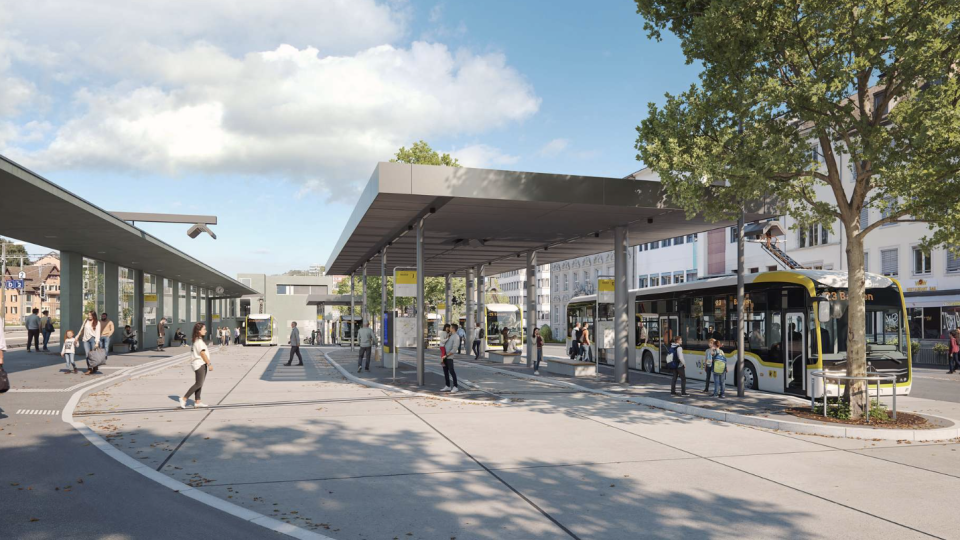
Daimler Buses announces it will install four public charging stations for electric buses at Munich Central Bus Station (ZOB) by the end of 2026. The manufacturer has signed an agreement with Wealthcap, asset and investment manager representing the owner of the Munich ZOB, to deploy the infrastructure. The project marks a further step in Daimler […]
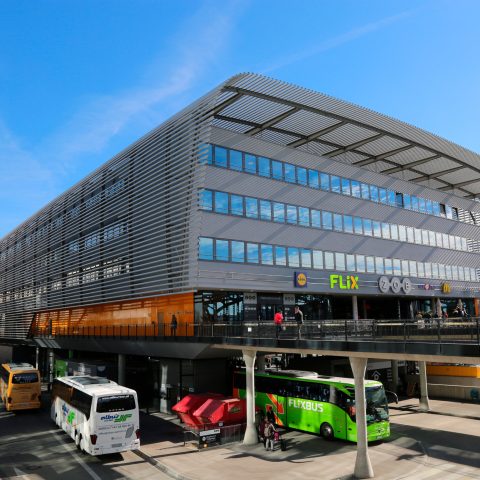
Daimler Buses announces it will install four public charging stations for electric buses at Munich Central Bus Station (ZOB) by the end of 2026.
The manufacturer has signed an agreement with Wealthcap, asset and investment manager representing the owner of the Munich ZOB, to deploy the infrastructure. The project marks a further step in Daimler Buses’ strategy to expand its proprietary public charging network in Europe, following the pilot charging stations announced in October 2025 in cooperation with the city of Cologne. Beyond Munich and Cologne, Daimler Buses plans to establish additional public charging points at high-traffic tourist destinations across Europe.
Implementation will be handled by Daimler Buses Solutions GmbH, a wholly owned subsidiary responsible for planning, construction, financing, operation, service and maintenance of the charging infrastructure.
Daimler Buses plans to introduce battery-electric coaches before the end of the decade, followed by fuel-cell coaches in series production. By 2030, Daimler Buses aims to offer locally CO₂-free models in every segment in its core European markets.
600 kW charging at Munich ZOB for multi-brand e-buses
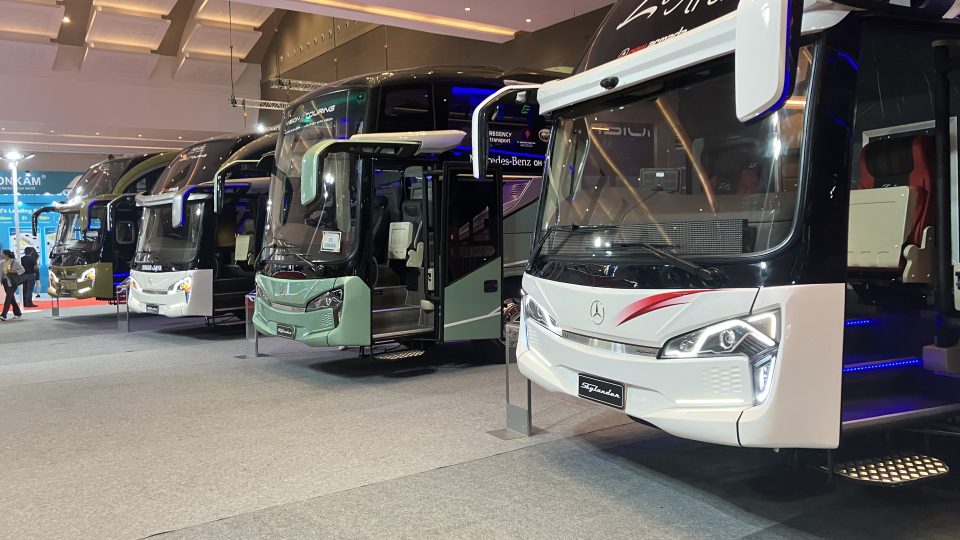
The Munich project is part of Daimler Buses’ broader objective to support the market launch of the battery-electric Mercedes eIntouro intercity bus. The vehicle has been available for order since spring 2025, with first customer deliveries scheduled for the second half of 2026.
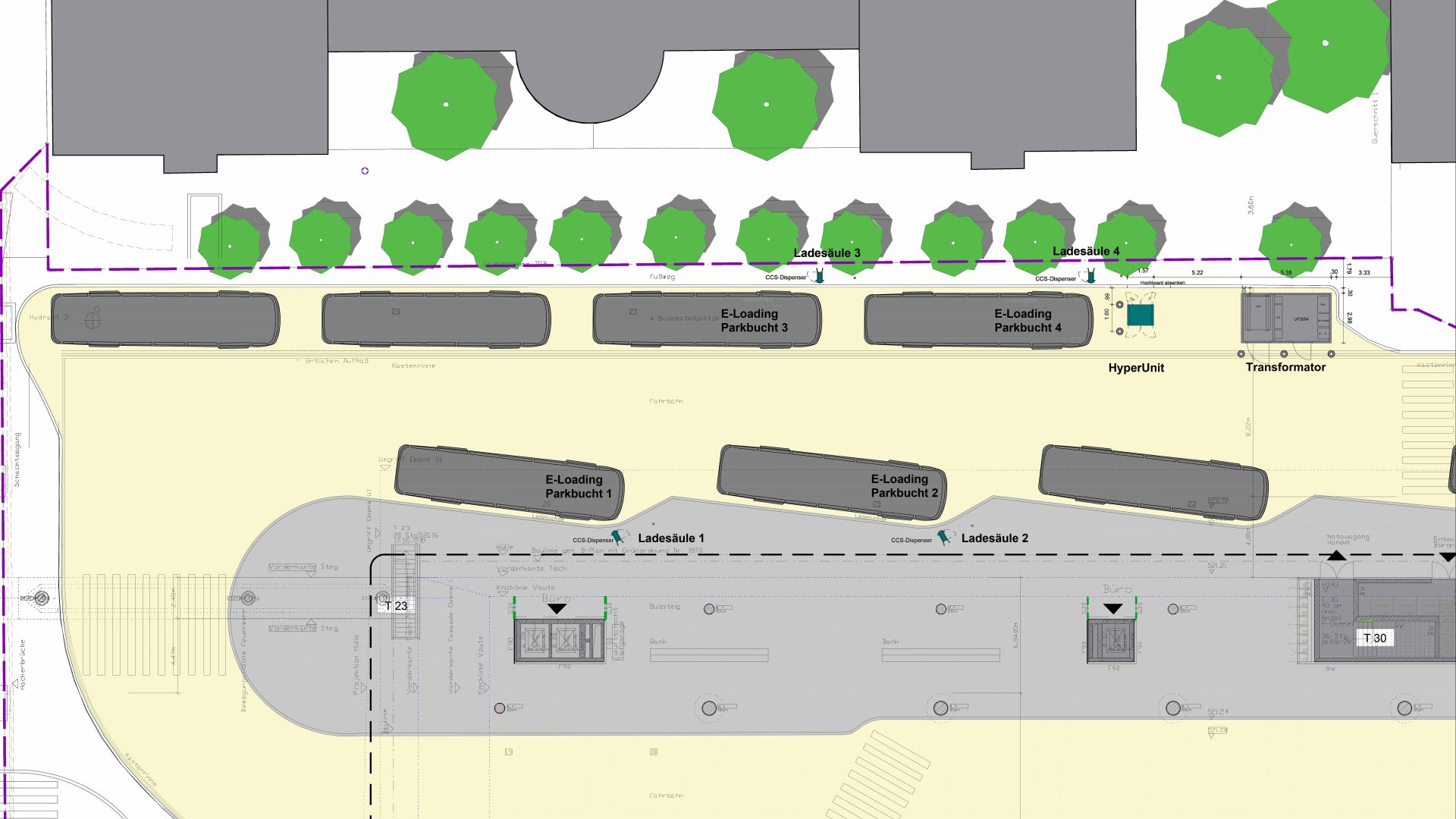
Daimler Truck states that “A total of four charging stations are planned, with two scheduled for completion during 2026. Construction activities in the second quarter of 2026 will include civil engineering work, installation of high‑voltage cables, transformer installation, and foundation work for the charging stations. Commissioning is planned for later in 2026”.
Daimler Buses Solutions GmbH will finance the Munich charging stations and manage their operation. The company indicates that refinancing will occur through electricity sales. Following commissioning, maintenance and technical operations will be carried out by its own service team.
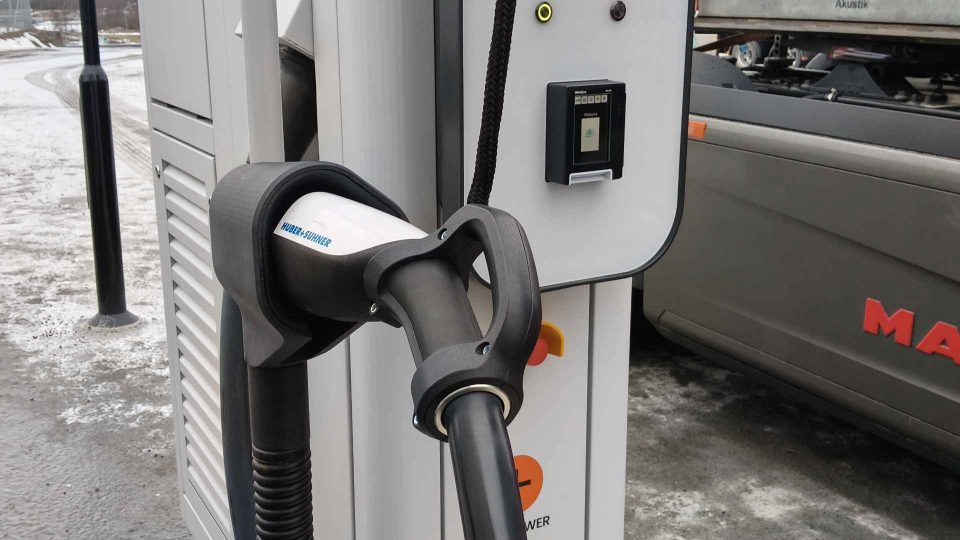
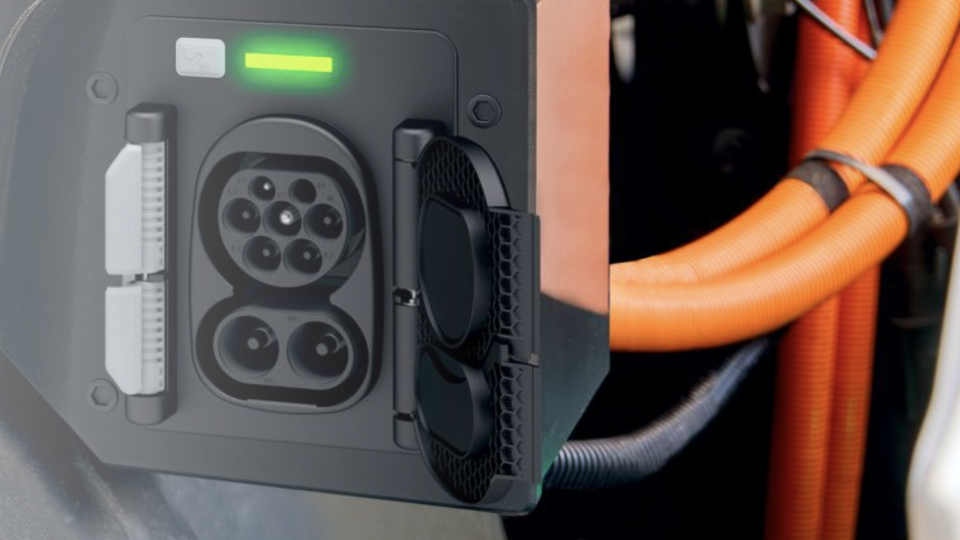
The charging stations at Munich ZOB will offer power levels of up to 600 kW. According to the company, electric buses of all brands will be able to use the infrastructure and charge with green electricity.
The system is designed to integrate charging operations into regular dwell times at the station, including passenger boarding and alighting, ticket checks and baggage handling. Daimler Buses states that this configuration enables operators to recharge batteries without additional stops or dedicated charging breaks.
Steffen Germ, CEO of Daimler Buses Solutions, said: “E-buses at the Munich ZOB can charge exactly where they already stop. Timetables remain unchanged, and charging time integrates seamlessly into regular dwell time. This makes deploying fully electric buses in long-distance and intercity transportation significantly easier.”