Belgium, De Lijn orders up to 900 chargers to SPIE-Ekoenergetyka thanks to a €24.2 million investment
Belgian public transport operator De Lijn has placed an order worth €24.2 million for charging stations with SPIE-Ekoenergetyka. This order is part of a framework agreement established in November 2023, which outlines the provision of up to 1,600 charging points over the next eight years. And partnership with SPIE-Ekoenergetyka had already been established. The first […]
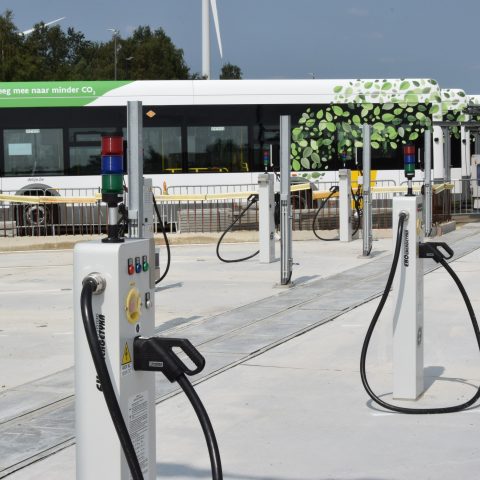
Belgian public transport operator De Lijn has placed an order worth €24.2 million for charging stations with SPIE-Ekoenergetyka.
This order is part of a framework agreement established in November 2023, which outlines the provision of up to 1,600 charging points over the next eight years. And partnership with SPIE-Ekoenergetyka had already been established. The first order included 403 charging stations, set to be supplied by SPIE-Ekoenergetyka and ABB. Under the framework, further orders will be made through a mini-competition between the two companies: the next part of the order was commissioned to SPIE-Ekoenergetyka.
De Lijn: chargers from SPIE-Ekoenergetyka
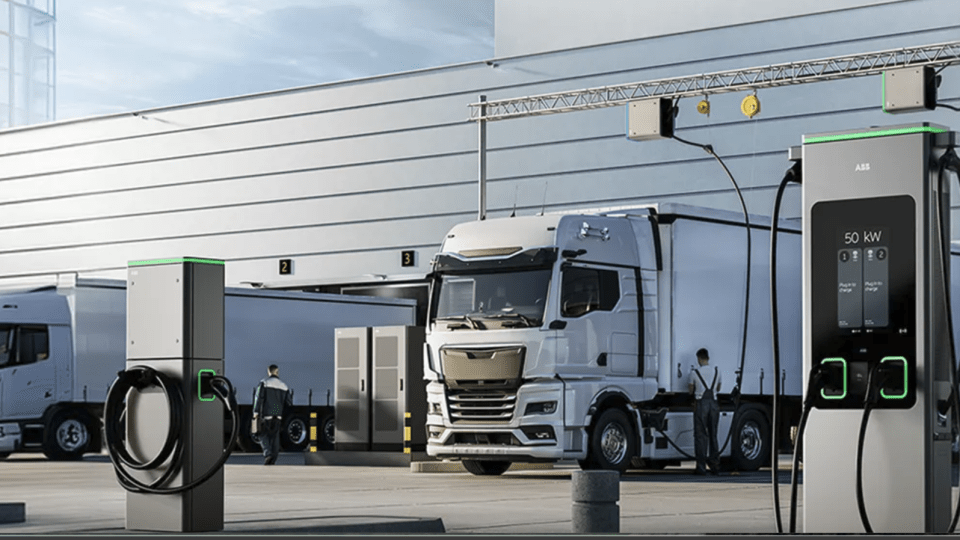
This second part of the order will indeed include between 600 and 900 charging stations, ranging from 50 to 180 kW in capacity. The allocation of charging stations to each depot will depend on the pace of depot electrification.
Ann Schoubs, Managing Director of De Lijn, states: “Charging infrastructure is a vital part of greening our fleet. By 2035, we aim to offer fully emission-free public transport. To achieve this, De Lijn has been purchasing only electric buses for several years. To charge these buses, we need sufficient electricity and charging points at our 50 depots. This order will ensure we can charge all our e-buses.”
Annick De Ridder, Minister of Mobility, Public Works, Ports, and Sports, added, “If public transport is to contribute to better air quality, De Lijn must also invest in the necessary charging infrastructure for e-buses. We are pleased that the Flemish government is contributing €24.2 million to support these less visible investments.”
Pascal Lekeu, Managing Director of SPIE Belgium, says: “We are proud to continue our active role in the electrification of buses in Belgium and are grateful for the trust De Lijn has placed in us with this order. Decarbonizing public transport is one of the major challenges in building a more sustainable world and is a key priority for us within our Infrastructure division.”