Kempower has opened a new chargers production plant in North Carolina, USA
Kempower officially inaugurated its North American headquarters in Durham, North Carolina, during an international event at the presence of Roy Cooper, long-time governor of North Carolina and special guest of CEO Tomi Ristimäki. The plant is operational since the end of last year, more or less 100 people already work there, but Kempower wanted to prove […]
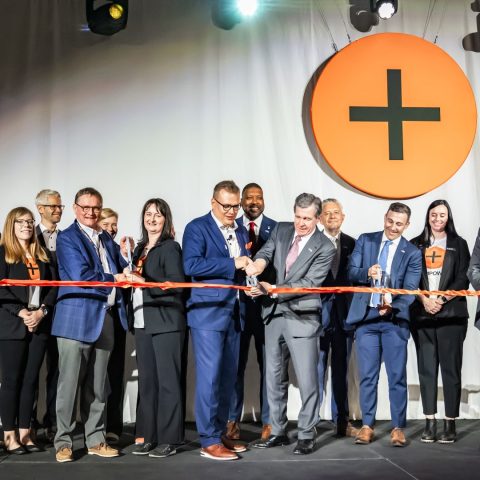
Kempower officially inaugurated its North American headquarters in Durham, North Carolina, during an international event at the presence of Roy Cooper, long-time governor of North Carolina and special guest of CEO Tomi Ristimäki.
The plant is operational since the end of last year, more or less 100 people already work there, but Kempower wanted to prove that its North American production site is now ready to go full swing. Last May, the Finnish company participated in ACT Expo, exhibiting its brand-new megawatt charging system. A true game changer – they say – to electrify long-haul transportation.
Our fellow magazine Sustainable Truck & Van was invited to attending the media preview and visiting the factory. We invite you to get to their ARTICLE for a wide reporting. Below, a short abstract.
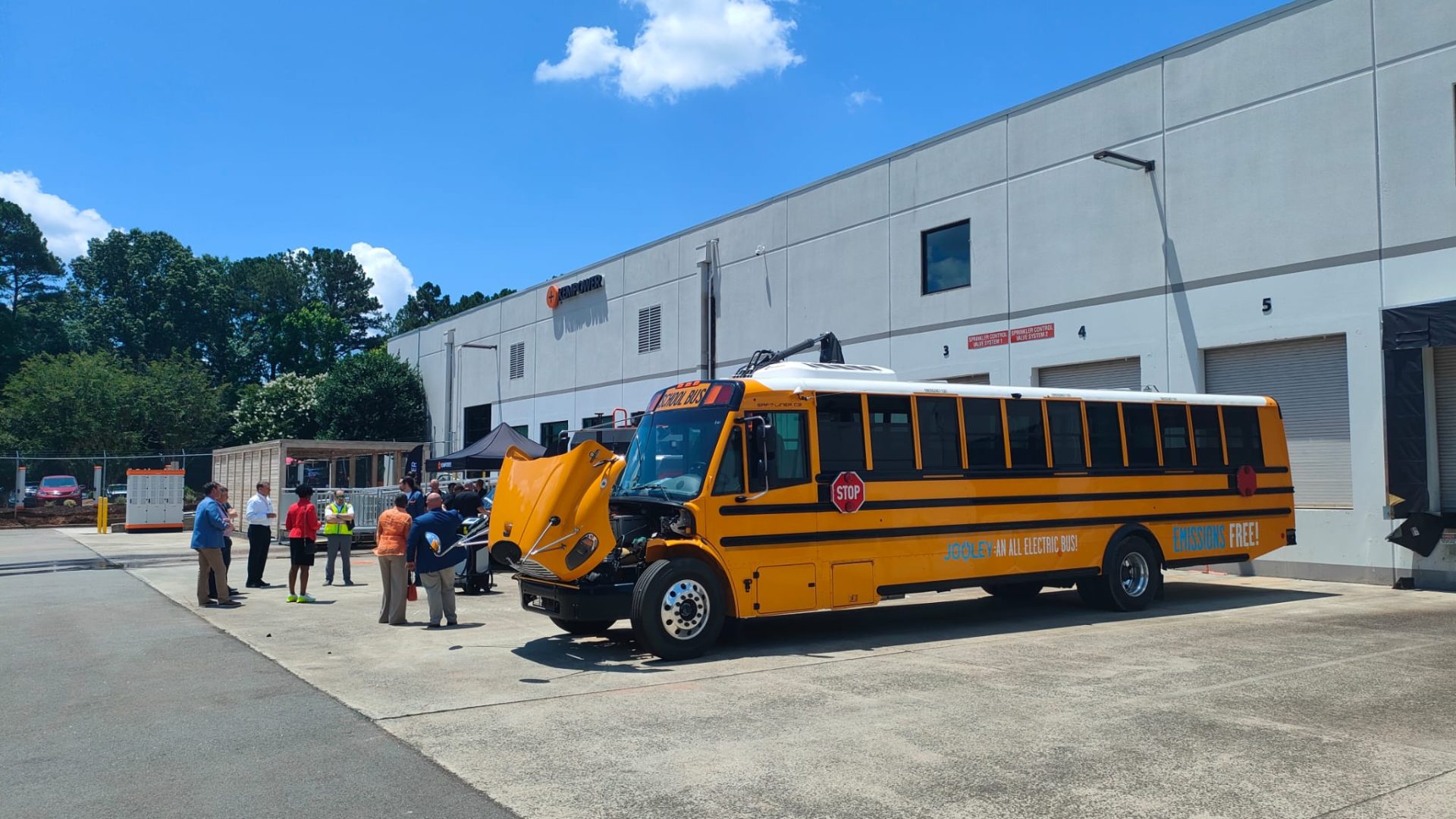
Kempower’s North American headquarter opened
The one in Durham is the second Kempower production plant, following the first one opened in Lathi, Finland, in 2021. Since there, the company grew year after year, up to 800 people employed globally so far, coming from over 40 countries. In 2023, Kempower managed to produce over 20,000 charging stations globally, with deliveries in several nations all over the world.
So far Kempower made it possible about 7,5 million charging sessions, and slightly less than 200 GWh of energy charged only in 2023. The company’s strategy focuses on DC chargers, then looking at bigger vehicles than passenger cars. Buses and trucks, above all, but also boats and ships, as well as construction machines.
Currently, production in Durham is organized on one shift, with the aim of getting ready for higher production speed when the demand in North America grows.
“We have the target to produce 100,000 charging stations globally by 2027”, told us CEO Tomi Ristimäki. America is supposed to help a lot in the next few years.
Reach Sustainable Truck & Van’s ARTICLE for a wide reporting