BVG withdraws Ebusco e-buses over frame cracks; warranty repair plan underway
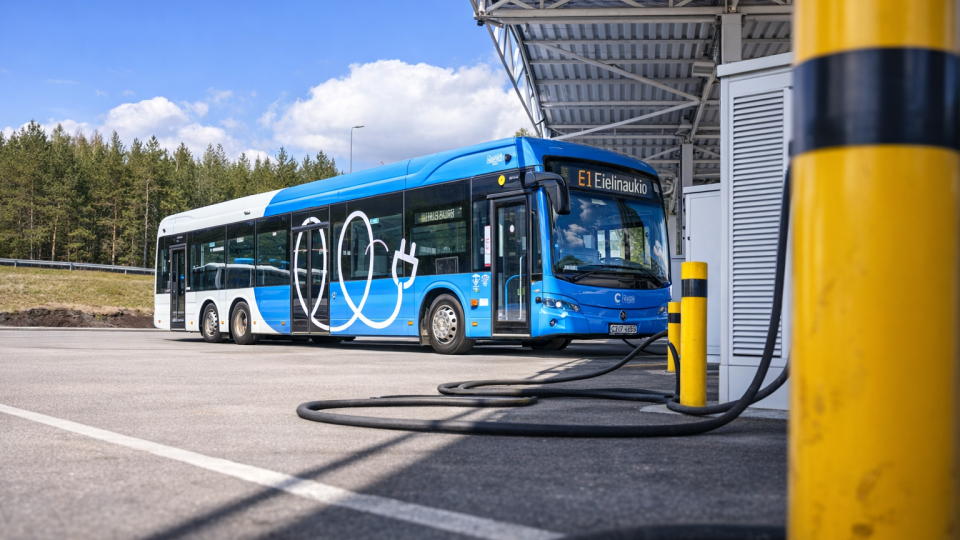
Around 70 battery-electric buses supplied by Ebusco to Berliner Verkehrsbetriebe (BVG) have been temporarily withdrawn from service after routine inspections revealed cracks in the vehicle frames. A BVG spokesperson told the German daily Neues Deutschland (nd) that the issue is “currently a warranty matter,” explaining that “small cracks in the vehicle frame were detected early […]
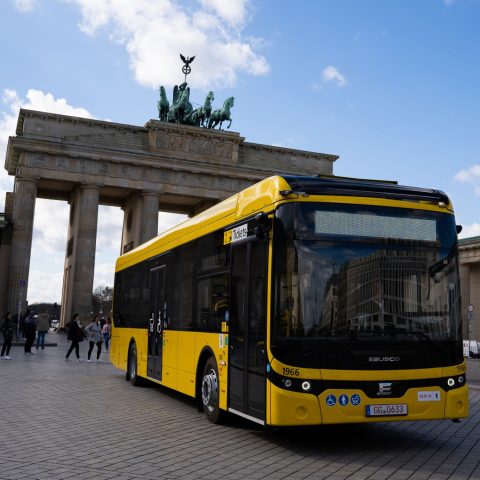
Around 70 battery-electric buses supplied by Ebusco to Berliner Verkehrsbetriebe (BVG) have been temporarily withdrawn from service after routine inspections revealed cracks in the vehicle frames.
A BVG spokesperson told the German daily Neues Deutschland (nd) that the issue is “currently a warranty matter,” explaining that “small cracks in the vehicle frame were detected early during routine checks.” The affected vehicles are twelve-metre buses delivered in 2022 and 2023, following contract signed in 2021.
Potrebbe interessarti
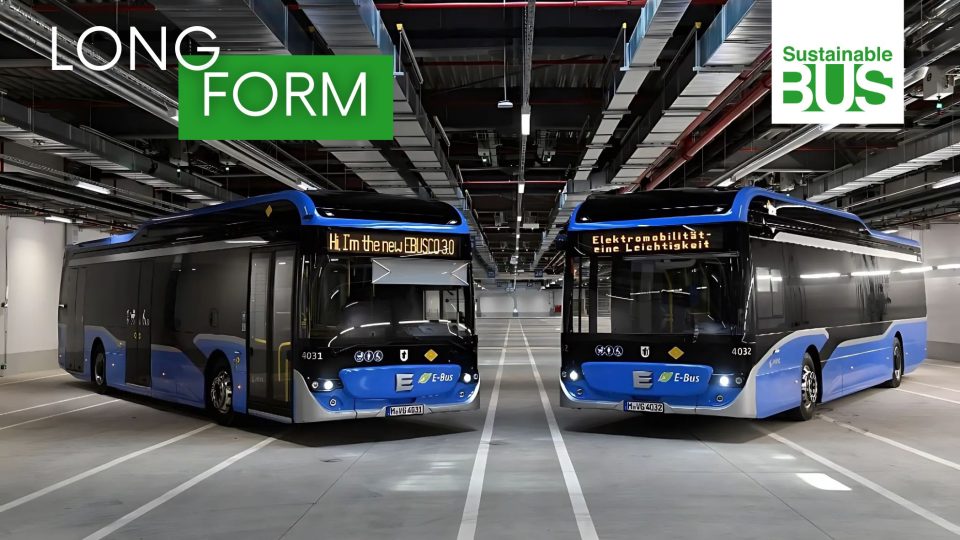
Ebusco, from revolutionary promises to the race for survival
According to nd, about 70 of the 90 Ebusco twelve-metre buses are concerned. As is standard in warranty cases, the vehicles will not be used until repairs are completed. Despite this, BVG does not expect any impact on passengers, with experts at the operator “not assuming restrictions for passengers,” the spokesperson said.
A repair plan is already being coordinated with Ebusco, which is still facing a severe liquidity crisis. Work is expected to begin shortly after the start of the year and to be completed within the first quarter. In recent weeks, passengers noticed Solaris articulated electric buses replacing standard vehicles on some routes, a change linked to the temporary withdrawal.
The situation unfolds against a backdrop of ongoing financial strain at Ebusco. In early December, the manufacturer announced it had secured a €5.1 million working-capital bridge loan from a group of existing shareholders to support near-term operations and avoid disruptions to vehicle deliveries. Ebusco has acknowledged delays in implementing two key China-linked levers — a €9 million working-capital facility and an inventory-financing framework with a contract manufacturer — prompting the need for interim financing to prevent late-delivery penalties.