Californian government backs 143 local transit projects with $202 million funding
The Californian government announces it has awarded $202 million to 143 clean transportation projects. Caltrans announced the funding on January 14, confirming that the investment will support public transit operations, fare programs, and zero-emission vehicle deployment across California. The allocation is delivered through the Low Carbon Transit Operations Program (LCTOP), financed by California Climate Investments […]
The Californian government announces it has awarded $202 million to 143 clean transportation projects.
Caltrans announced the funding on January 14, confirming that the investment will support public transit operations, fare programs, and zero-emission vehicle deployment across California. The allocation is delivered through the Low Carbon Transit Operations Program (LCTOP), financed by California Climate Investments (CCI), which reinvests Cap-and-Invest revenues into emissions-reduction initiatives.
California backs zero emission transport projects
According to Caltrans, the Californian government is using LCTOP funding to prioritize mobility improvements in disadvantaged communities, while supporting the state’s climate objectives. Over the past ten years, LCTOP has invested more than $1.4 billion in carbon-reduction projects and funded a total of 1,548 initiatives statewide.
The 2026 awards include large operational programs and smaller local interventions. Los Angeles County Metropolitan Transportation Authority will receive $48.7 million to support operations of Metro’s A Line light rail service, which runs daily across 44 stations. In San Francisco, $18 million is allocated to operate the Free Muni program for seniors, youth, and people with disabilities.
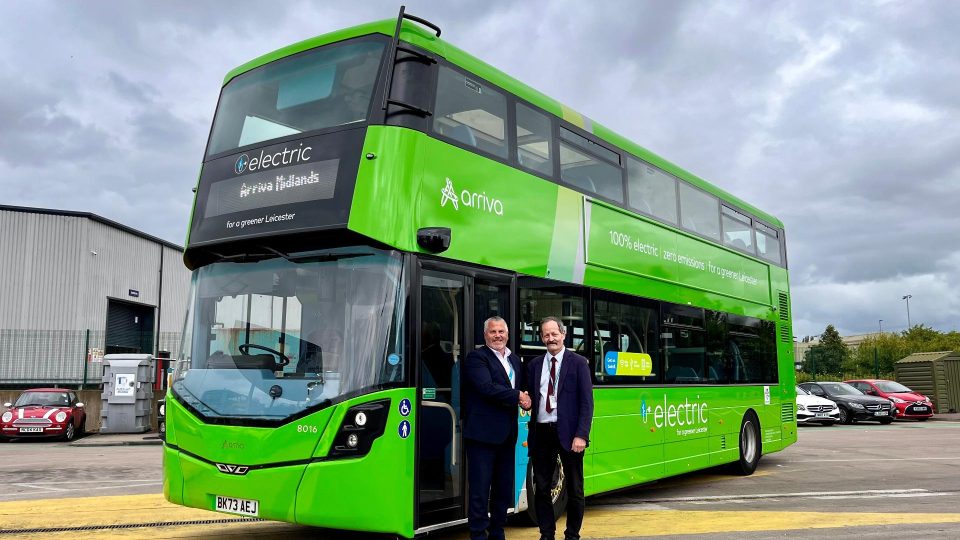
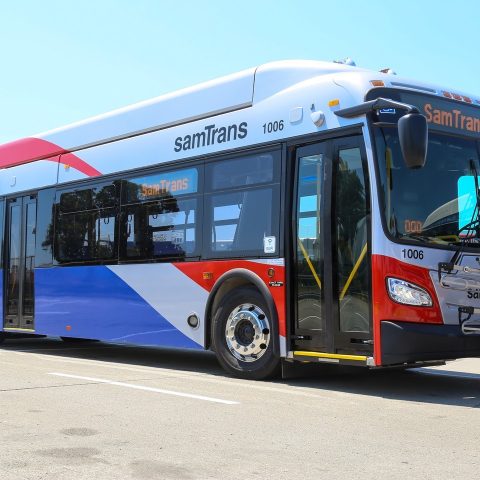
A significant share of the funding is directed specifically toward zero-emission bus deployment and charging infrastructure, with the largest single allocation going to San Diego Metropolitan Transit System, which receives $8.5 million to procure up to 23 battery-electric buses replacing end-of-life CNG vehicles. San Mateo County Transit District is allocated $2.58 million for a hydrogen fuel cell electric bus infrastructure and fueling station project at its North Base Maintenance and Operations Facility in San Carlos, including the associated facilities needed to support the fleet .
Golden Empire Transit District is investing $1.5 million in a solar-powered smart grid system to charge five electric buses during off-peak hours.
“Partnering with local transportation agencies, we’re building a thriving, more connected California by investing in projects that will improve outcomes for all roadway users and help the state achieve its ambitious climate goals,” said Caltrans Director Dina El-Tawansy. “These clean transportation projects will better serve communities most affected by air pollution, expand bus and rail service and support free or reduced fare programs and encourage fewer, shorter automobile trips.”