EU revises heavy-duty CO2 regulation: new credit calculation for 2025–2029 period
European Parliament adopts amendment to the heavy-duty CO2 regulation approved in May 2024, introducing revised credit rules for 2025–2029, while leaving existing reduction targets unchanged. The measure modifies the framework established by Regulation (EU) 2019/1242 and was proposed by the European Commission in December 2025 as part of the Automotive Package. Following approval by the […]

European Parliament adopts amendment to the heavy-duty CO2 regulation approved in May 2024, introducing revised credit rules for 2025–2029, while leaving existing reduction targets unchanged.
The measure modifies the framework established by Regulation (EU) 2019/1242 and was proposed by the European Commission in December 2025 as part of the Automotive Package. Following approval by the Council in February, the Parliament confirmed the amendment on 12 March 2026.
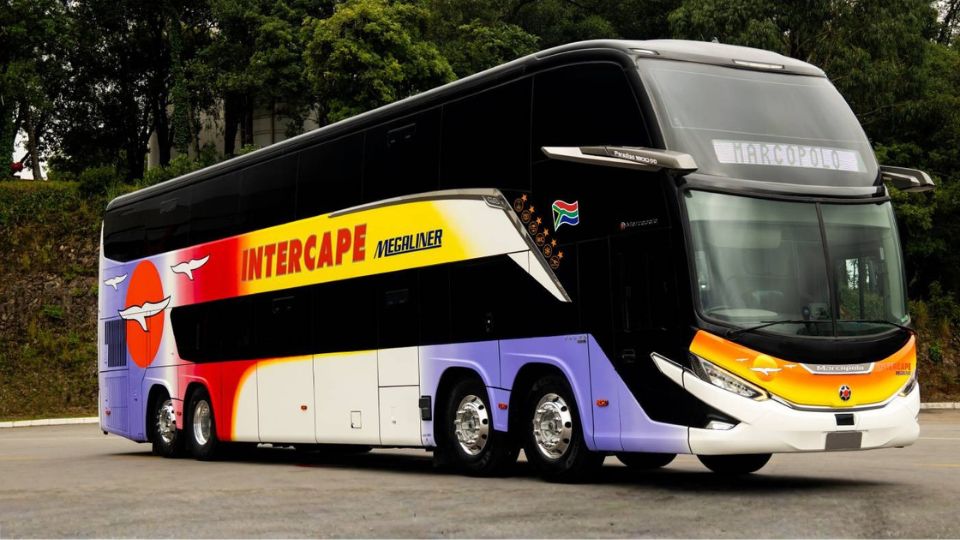
The updated credit mechanism applies to heavy-duty vehicle categories covered by the regulation, including coaches and intercity buses.
ACEA said the amendment is limited in scope and does not address wider challenges in the transition to zero-emission heavy-duty vehicles. The manufacturers’ association highlighted gaps between CO₂ targets and enabling conditions, including insufficient charging and hydrogen infrastructure and high energy costs, and urges an accelerated review of the HDV CO2 regulation.
Credit picture: MAN Truck & Bus
Revised credit system for heavy-duty vehicle manufacturers
The amendment changes how emission credits are generated during the reporting years 2025–2029. Under the revised rules, manufacturers can obtain emission credits when their average fleet emissions fall below the applicable CO₂ reduction target during the reporting period. These credits can then be used to support compliance in later years.
Under the regulation, emission credits are calculated against a linear CO2 reduction curve that progressively tightens between milestone years. The amendment changes this mechanism for the period 2025–2029: manufacturers will be able to generate credits when their fleet emissions fall below the fixed 2025 target, rather than below the annual reduction curve. In practice, this increases flexibility and makes it easier to accumulate credits before the significantly stricter 2030 target takes effect.
The regulation keeps the existing reduction targets unchanged. The current requirement is a 15% CO₂ reduction compared with 2019 levels for the 2025–2029 period. From 2030, the scope of the regulation includees a reduction target of 43%.
Implications for buses and coaches
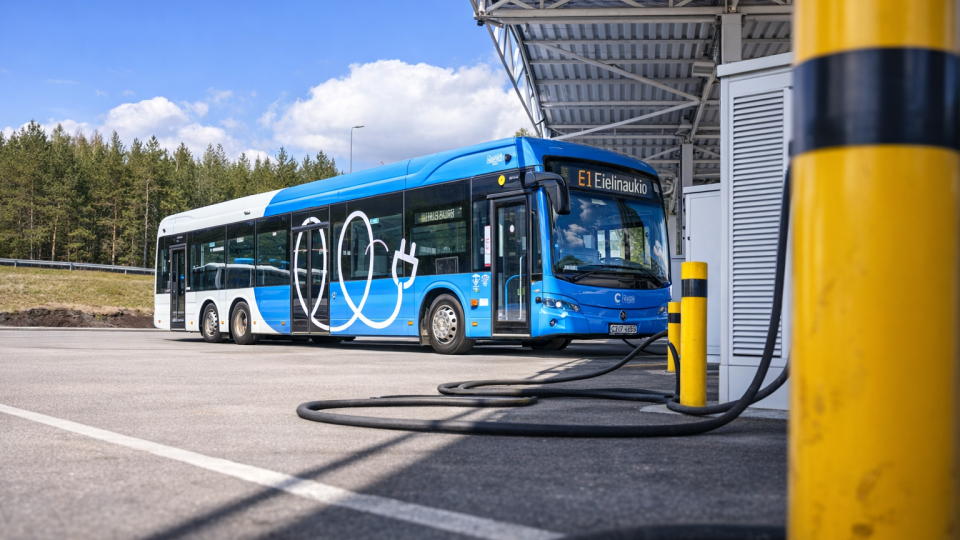
City buses are excluded from the revised credit system. The regulatory text states that the amendment does not apply to urban buses, which are required to be 90% zero emission by 2030 and 100% by 2035.
The amendment does not modify the overall CO₂ reduction targets or the broader regulatory framework for heavy-duty vehicles.
ACEA stated: “The speedy adoption of the Commission’s proposal by co-legislators is a welcome and important step. The amendment corrects an overly restrictive provision in the current rules by adjusting how emission credits are calculated for the years 2025–2029. Manufacturers will now be able to generate emission credits when their fleet emissions fall below the legal target for until 2029. This provides some additional flexibility and helps smooth the transition towards the significantly more demanding 2030 target”.
But ACEA continues: “However, the amendment is limited in scope. It does not address the broader challenge vehicle manufacturers are facing the transition to zero-emission heavy-duty vehicles. This is because there is a growing gap between increasingly ambitious CO2 targets and the slow progress in key enabling conditions, especially dedicated charging and hydrogen-refuelling infrastructure for HDV remains insufficient. Energy costs and the economic viability for transport operators also continue to limit the pace of the ZEV market uptake. It is therefore important to accelerate the upcoming review of the HDV CO2 Regulation. The review should assess whether the framework remains aligned with real-world market conditions. It should also examine how to better support the rollout of zero-emission trucks and buses across Europe. Closing the gap between regulatory ambition and enabling conditions will be essential for a successful transition”.