With electrification, bus fleets become energy assets – and reshape the system. A contribution by First Bus’ Isabel McAllister
Contribution by Isabel McAllister, Chief Sustainability & Compliance Officer, First Bus The UK has become comfortable talking about electrifying transport. Electric vehicles are now a familiar part of the net-zero conversation, framed largely as a cleaner alternative to petrol and diesel. But a bigger shift is happening beneath the surface, one that receives far less […]
Contribution by Isabel McAllister, Chief Sustainability & Compliance Officer, First Bus
The UK has become comfortable talking about electrifying transport. Electric vehicles are now a familiar part of the net-zero conversation, framed largely as a cleaner alternative to petrol and diesel. But a bigger shift is happening beneath the surface, one that receives far less attention.
As transport electrifies at scale, it is not only just changing how vehicles are powered. It is quietly reshaping the UK’s energy system and redefining who participates in it.

Historically, transport operators were passive energy users. Fuel and electricity were simply costs to be managed, with little interaction beyond procurement and billing. Energy strategy sat firmly outside the transport sector. Electrification has fundamentally changed that relationship.
Electrifying transport is not just about delivering cleaner mobility; it is reshaping infrastructure economics, redefining risk and creating new participants in the energy system. The challenge now is whether policy and market frameworks will evolve quickly enough to recognise the important role electrified transport fleets are starting to play in delivering flexibility and resilience across the energy system.
Contribution by Isabel McAllister, Chief Sustainability & Compliance Officer, First Bus
First Bus towards a fully electric bus fleet by 2035
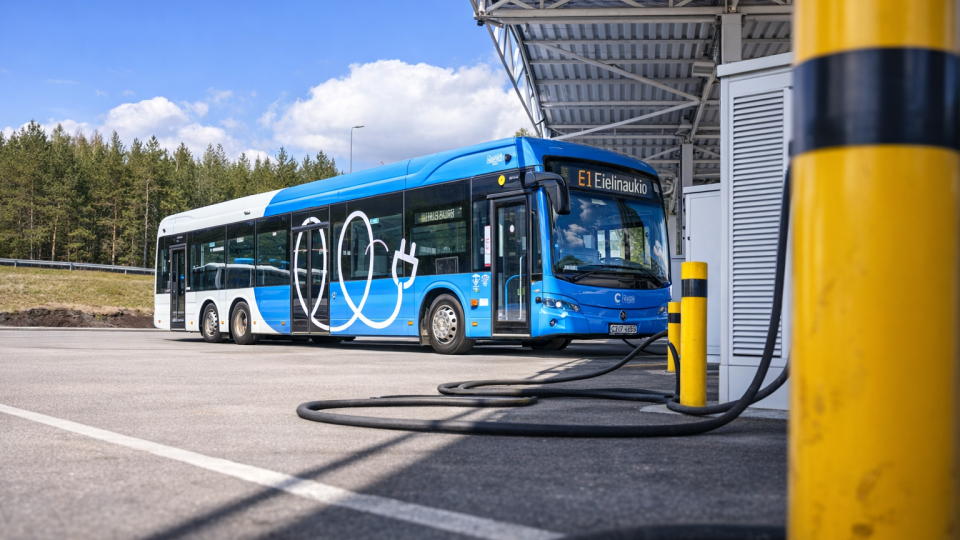
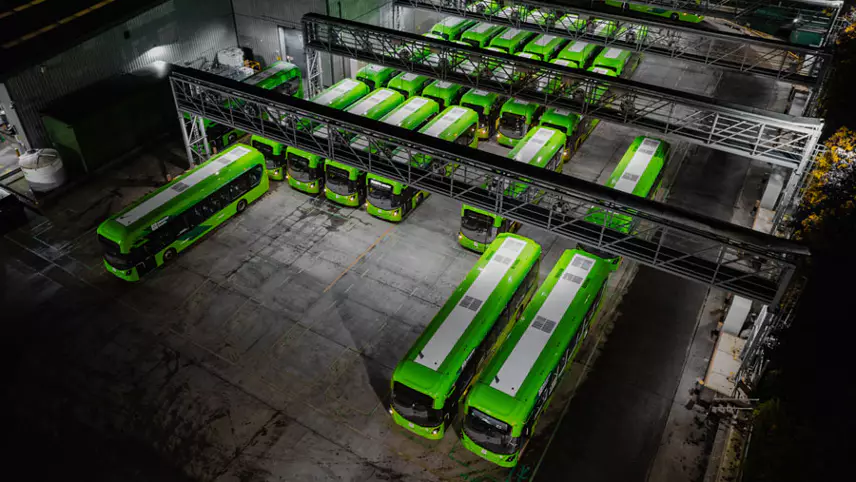
Large electric fleets require grid-scale infrastructure. Bus depots now depend on high-capacity power connections, sophisticated charging systems and intelligent load management. In energy terms, these sites increasingly resemble logistics hubs rather than traditional transport facilities. The infrastructure that keeps buses moving is now deeply intertwined with how electricity is generated, stored and distributed.
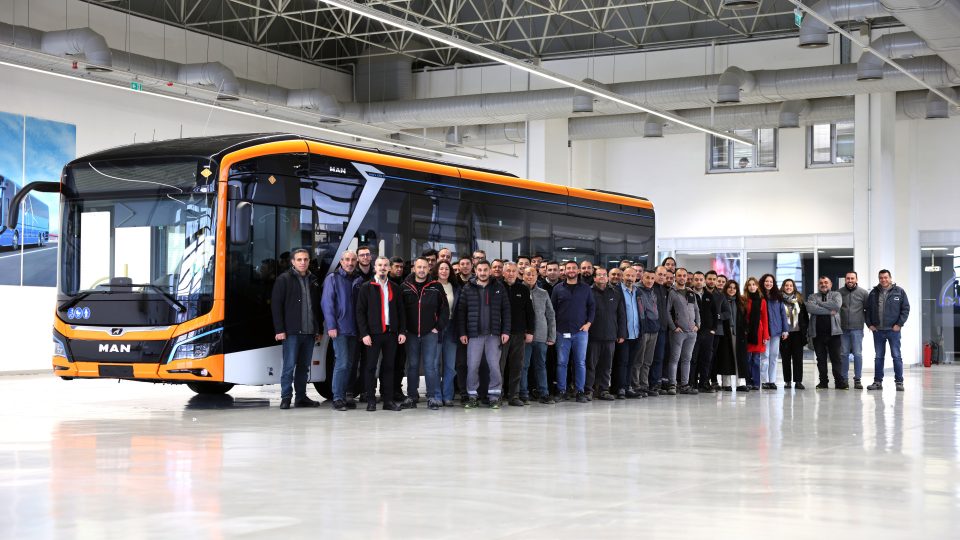
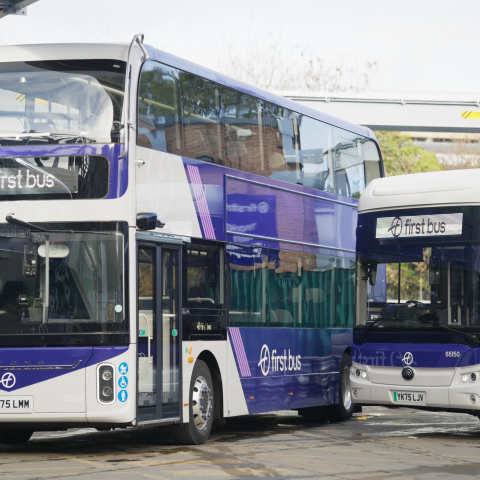
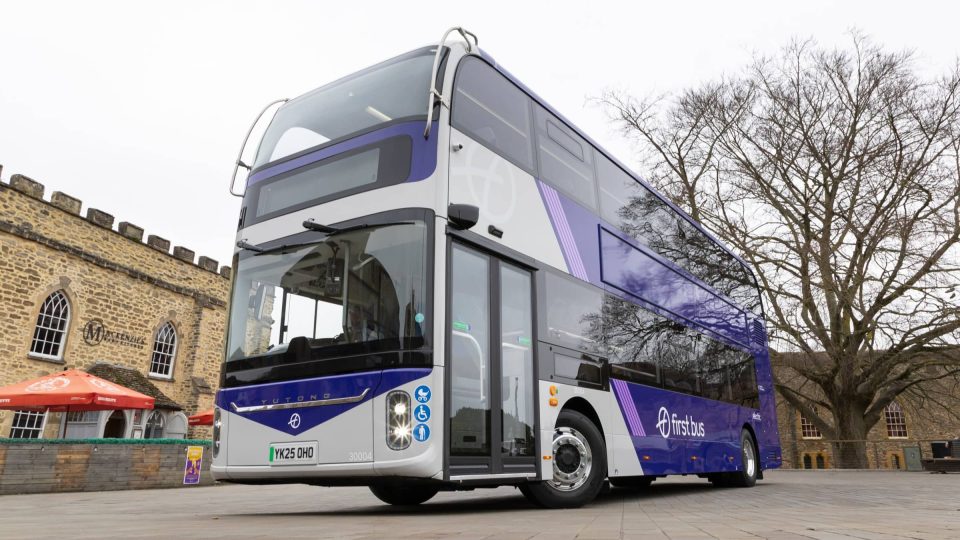
At First Bus, that scale is already material. Around a quarter of our vehicles are electric and we operate electric fleets from more than 20 depots. At this point, electrification stops being a series of projects and becomes a structural shift in how a transport network is planned, powered and operated. With a First Bus commitment to operate a fully electric bus fleet by 2035, these are not transitional decisions but permanent ones.
Opening depot’s charging infrastructure to other fleets and drivers can help address gaps in the UK’s charging network, improve utilisation of high-capacity grid connections and reduce pressure on public charging infrastructure. In doing so, transport depots begin to function as shared energy assets, supporting wider electric vehicle adoption while strengthening overall system efficiency.
Contribution by Isabel McAllister, Chief Sustainability & Compliance Officer, First Bus
Battery storage… with on-board batteries
This shift becomes even more significant when smart charging enters the picture. By controlling when vehicles charge, fleets can avoid the most expensive and carbon-intensive periods on the grid, reducing costs while easing system pressure.
Stationary battery storage can also play a supporting role, helping depots smooth peak loads and build operational resilience. The longer-term opportunity lies not in standalone battery containers, but in on-vehicle batteries. With predictable duty cycles and significant aggregated capacity, bus batteries have the potential to provide flexibility at a scale that far exceeds stationary installations, without duplicating assets already paid for.
Potrebbe interessarti
First Bus e-bus depot becomes available for third-party commercial EVs, thanks to Paua
For transport operators, this is not an abstract environmental benefit. Energy price volatility has become a material commercial risk as fleets electrify. Managing when and how power is consumed is now central to operational resilience. This is already reflected in practice: First Bus participates in national grid services through the capacity market, supporting system reliability during periods of peak demand.
There is also a wider system impact. Opening depot ultra-rapid charging infrastructure to other fleets and drivers can help address gaps in the UK’s charging network, improve utilisation of high-capacity grid connections and reduce pressure on public charging infrastructure. In doing so, transport depots begin to function as shared energy assets, supporting wider electric vehicle adoption while strengthening overall system efficiency.
The challenge of policy framework
For the UK’s energy transition, this matters. The challenge ahead is not simply generating more low-carbon electricity, but managing when and how it is used. Flexibility, demand shifting and storage will be essential as renewable generation grows. Electrified transport fleets, with predictable demand patterns and large volumes of embedded battery capacity, have the potential to play a meaningful role in meeting that challenge
By controlling when vehicles charge, fleets can avoid the most expensive and carbon-intensive periods on the grid. Stationary battery storage can also play a supporting role, helping depots smooth peak loads and build operational resilience. The longer-term opportunity lies not in standalone battery containers, but in on-vehicle batteries. With predictable duty cycles and significant aggregated capacity, bus batteries have the potential to provide flexibility at a scale that far exceeds stationary installations, without duplicating assets already paid for.
Contribution by Isabel McAllister, Chief Sustainability & Compliance Officer, First Bus
Yet policy and planning still tend to treat transport and energy as separate worlds. Regulation, market design and infrastructure planning have not fully caught up with the reality on the ground. There is a risk that the UK builds an energy system that overlooks one of its fastest-growing and already active sources of flexibility, because it does not fit neatly into existing categories.
Electrifying transport is not just about delivering cleaner mobility; it is reshaping infrastructure economics, redefining risk and creating new participants in the energy system. The challenge now is whether policy and market frameworks will evolve quickly enough to recognise the important role electrified transport fleets are starting to play in delivering flexibility and resilience across the energy system.