Netherlands added 850 zero emission buses in 2025, e-buses cover 26% of kilometres according to CROW
In 2025, the Netherlands counted 2,748 zero-emission buses in operation (+853 on 2024), with electric buses accounting for 26% of all bus kilometres driven. At the same time, the share of diesel fell to 65% (from 69), according to CROW’s latest monitoring of public transport fleets. Still according to CROW’s researches, the country exceeded 1,000 […]
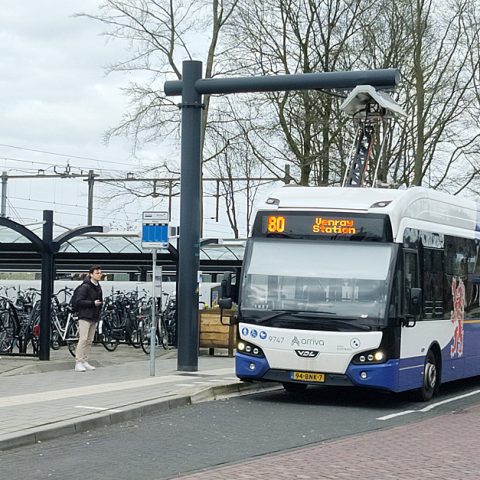
In 2025, the Netherlands counted 2,748 zero-emission buses in operation (+853 on 2024), with electric buses accounting for 26% of all bus kilometres driven. At the same time, the share of diesel fell to 65% (from 69), according to CROW’s latest monitoring of public transport fleets. Still according to CROW’s researches, the country exceeded 1,000 units in operation as of 2020. Netherlands is one of the five countries where electric buses made up over half of new registrations in the first three quarters of last year.
Beyond the confirmed fleet size, the organization also outlines an expected development path for the remainder of the decade. The total zero-emission bus fleet is projected to rise from 2,748 units in 2025 to around 4,188 in 2026, 4,444 in 2027 and 5,134 by 2030. CROW presents these figures explicitly as projections rather than committed deliveries, reflecting assumptions about concession renewals and planned fleet replacements.
Fuel use: electric buses take a quarter of total kilometres
CROW’s data on bus deployment by fuel type show that between 2018 and 2024, diesel’s share of annual bus kilometres declined from 87% to 65%, while electric buses rose from 4% to 26%. Gas-powered buses remained relatively stable but gradually receded, accounting for 8% of kilometres in 2024. Hydrogen buses still represent a marginal share in operational terms. The chart confirms that electrification is no longer limited to specific routes or pilot services but increasingly underpins daily operations across the network.
The distribution of zero-emission buses by operator shows a high degree of concentration. Keolis (543 buses), EBS (537), Qbuzz (350) and Arriva (327) together account for a substantial share of the national zero-emission fleet, with Transdev following at 289 units, according to CROW’s charts.
Where are most e-buses coming from?
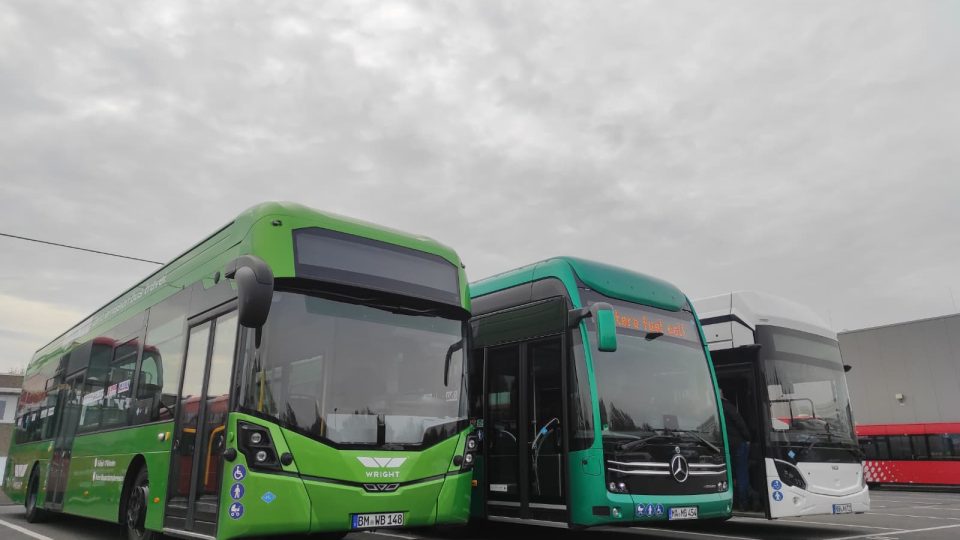
On the manufacturing side, VDL clearly dominates the Dutch zero-emission market with 1,084 buses in operation, far ahead of Ebusco (348) and BYD (319). Other suppliers — including Yutong, Iveco, Solaris, Mercedes-Benz and Volvo — hold smaller but visible positions.