Otokar will produce the conventionally-powered Mercedes Conecto buses in Sakarya
Otokar and Daimler Buses announce they have signed a production agreement: the Mercedes Conecto will be manufactured at Otokar’s factory in Sakarya, due to “the strong demand for buses of the Mercedes-Benz and Setra brands”, Daimler Buses says. Daimler Buses has been manufacturing the Conecto city bus at its Hoşdere plant in Istanbul, Turkey, in […]
Otokar and Daimler Buses announce they have signed a production agreement: the Mercedes Conecto will be manufactured at Otokar’s factory in Sakarya, due to “the strong demand for buses of the Mercedes-Benz and Setra brands”, Daimler Buses says.
Daimler Buses has been manufacturing the Conecto city bus at its Hoşdere plant in Istanbul, Turkey, in a facility operated by Mercedes-Benz Türk A.Ş., since 2007. in the same plant the Travego, Intouro and Tourismo models are produced.
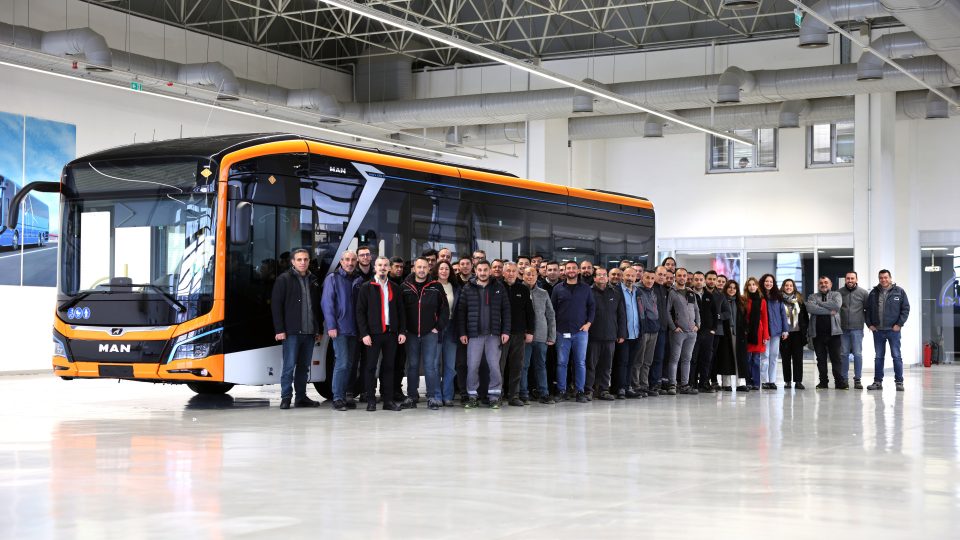
The Mercedes Conecto is a bus that, despite its basic simplicity, is robust and reliable. It’s available as a three-door solo bus and a four-door articulated bus. All of this comes at a price significantly lower than that of the Citaro.
The agreement somehow mirrors the partnership signed in early 2020 between Otokar and Iveco Bus for the production of the Streetway range—a series, however, that has not enjoyed the hoped-for market success. Also part of the volumes of the Crossway diesel, in the original intentions, should have been manufactured there.
Otokar – Daimler Buses: the commercial deal for Conecto
The Turkish group, reads the press note announcing the deal, “will produce the conventionally powered Mercedes-Benz Conecto city bus for Daimler Buses at its plant in Sakarya, Türkiye starting from September 2026″.
Daimler Buses states it will “supply Otokar with all major vehicle components and specific production equipment. A dedicated Daimler Buses team will be on site to support the production of the Conecto. The agreement also includes expert-led training sessions conducted by Daimler Buses for Otokar employees involved in the production process”.
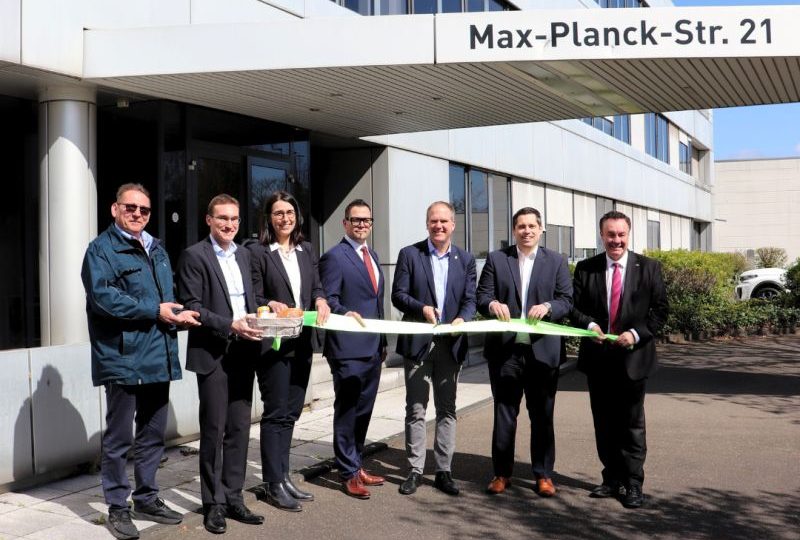
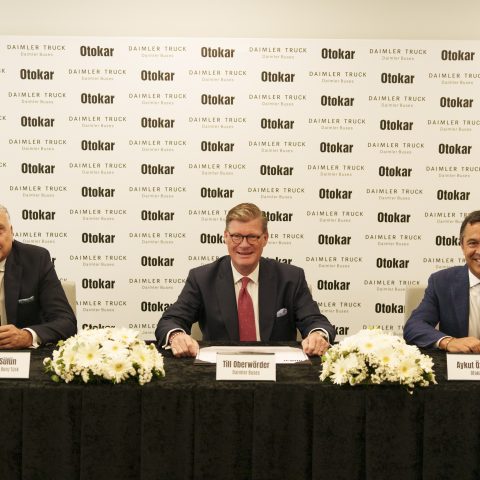
Till Oberwörder, CEO of Daimler Buses, Süer İsmail Sülün, President & CEO of Mercedes-Benz Türk A.Ş, and Aykut Özüner, CEO of Otokar, signed the agreement today, 11 September 2025, in Sakarya.
Aykut Özüner, CEO of Otokar, states: “As Turkey’s first bus manufacturer, we have been producing high-quality buses for over 60 years. The partnership with Daimler Buses is a significant step for us to further in expanding our production, ensuring the most effective use of our production capacity, and strengthening our position as one of the top five bus manufacturers in Europe. Our goal with this agreement is to establish a sustainable partnership with Daimler Buses.”
Till Oberwörder, CEO of Daimler Buses: “The ongoing strong demand for our products shows that buses are becoming increasingly important to society and that we are offering our customers the right solutions. We are the clear market leader in Europe and Latin America – and this cooperation allows us to further strengthen our position by increasing overall vehicle production. Expanding our production capacity has a positive impact on our profitability. Otokar is a highly respected and reliable partner in our industry with strong manufacturing expertise. Working closely together, we will ensure the high-quality standards our customers expect from Daimler Buses. We look forward to this partnership.”
Süer İsmail Sülün, President & CEO of Mercedes-Benz Türk A.Ş, adds: “We are delighted by the strong demand for our buses and the resulting very positive order situation at our Hoşdere plant. The site is a key part of Daimler Buses’ production network and continues to manufacture buses across all segments. We at Mercedes-Benz Türk welcome the partnership with Otokar and are very much looking forward to supporting this collaboration as a strong and reliable partner.”