RVK inaugurates new depot in Hürth
Regionalverkehr Köln GmbH (RVK) has inaugurated its new site in Hürth, significantly expanding its capacity compared to the previous location. The new complex is located at Max-Planck-Straße 21 and covers a total area of 29,000 square meters, forming a true regional mobility hub designed to meet the needs of modern public transport. With the move […]
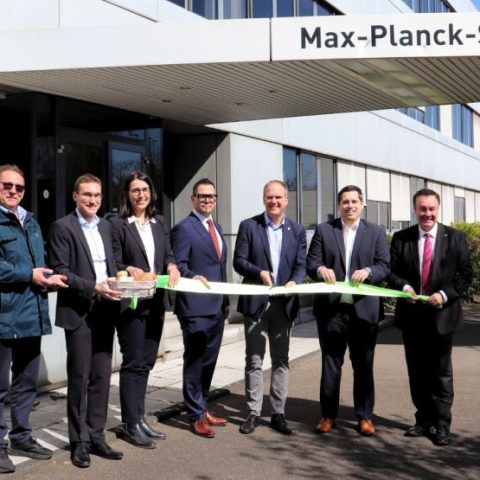
Regionalverkehr Köln GmbH (RVK) has inaugurated its new site in Hürth, significantly expanding its capacity compared to the previous location. The new complex is located at Max-Planck-Straße 21 and covers a total area of 29,000 square meters, forming a true regional mobility hub designed to meet the needs of modern public transport.
With the move to the new site, RVK leaves behind its former depot on Bonnstraße. In total, more than 130 RVK employees are based in Hürth.
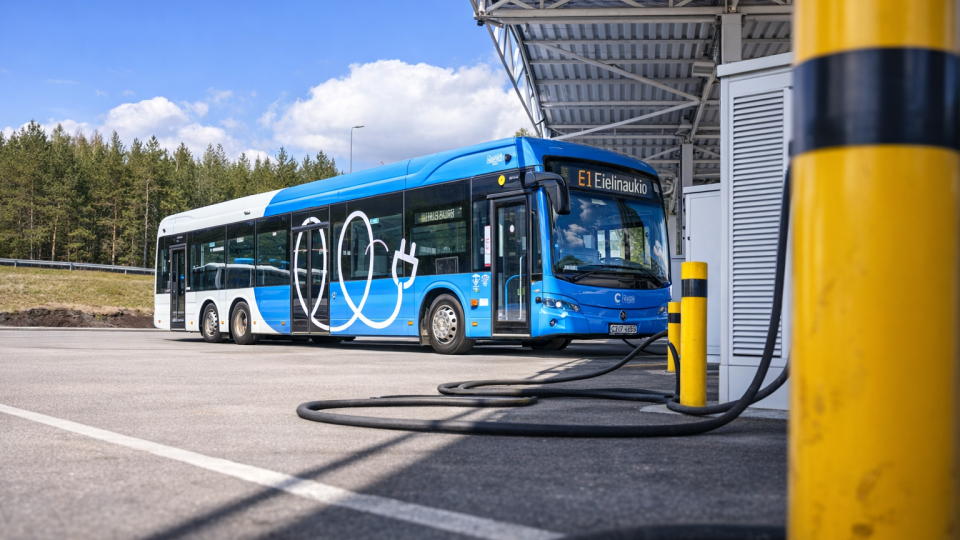
The workshop covers an area of 1,000 square meters and has been designed to handle all types of propulsion used by RVK, including hydrogen and battery-electric buses. In addition, an extensive charging infrastructure for electric buses will be gradually implemented.
The completion of the buildings and offices is scheduled for autumn 2026, while work on the operational facilities will begin next year.
Dr. Marcel Frank, Managing Director of Regionalverkehr Köln GmbH (RVK), stated: «We are very pleased that with the new Hürth site we are taking such an important step for mobility. Capacity, infrastructure, modern offices, a fully equipped workshop, and the control center – all in one place – strengthen public transport to a very high level. We would also like to thank the City of Hürth for its support in finding this new site. This achievement benefits everyone».
District Director Svenja Udelhoven, Chairwoman of the RVK Supervisory Board, added: «The new Hürth site represents a major benefit for mobility in the region. In particular, the promotion and support of alternative drivetrains at this location is a clear signal that RVK is optimizing its infrastructure toward the goal of zero emissions. These measures benefit everyone, but especially passengers, who rely on efficient public transport supported by adequate infrastructure».