From research to roads: barriers and drivers to zero-emission bus deployment, in a study by Sapienza University (Rome)
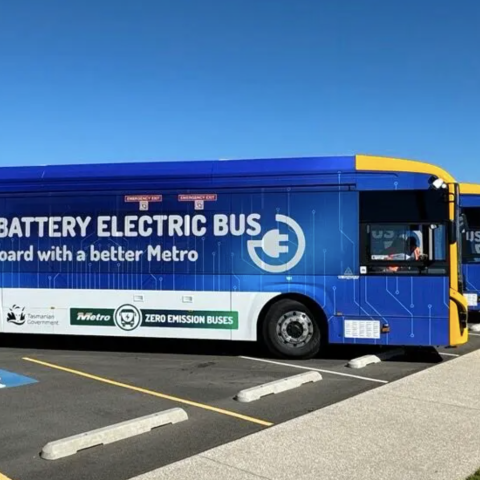
A recent study conducted by researchers at Sapienza University of Rome sheds light on the key factors influencing the adoption of zero-emission buses (ZEBs), which include both battery-electric buses and hydrogen fuel cell buses, in urban transport systems. The study, which examined more than 50 research papers from around the world, identifies the technological, economic, and managerial hurdles that have slowed large-scale adoption, while also highlighting the social, environmental, and institutional factors that are driving their growth.
by Mirko Giagnorio, Assistant Professor in Industrial Organization and Management – Sapienza University of Rome.
For further details, refer to the full study published in the scientific journal Renewable and Sustainable Energy Reviews available HERE
A recent study conducted by researchers at Sapienza University of Rome sheds light on the key factors influencing the adoption of zero-emission buses (ZEBs), which include both battery-electric buses and hydrogen fuel cell buses, in urban transport systems. While the push for sustainable mobility is stronger than ever, the widespread deployment of ZEBs faces several challenges. The study, which examined more than 50 research papers from around the world, identifies the technological, economic, and managerial hurdles that have slowed large-scale adoption, while also highlighting the social, environmental, and institutional factors that are driving their growth.
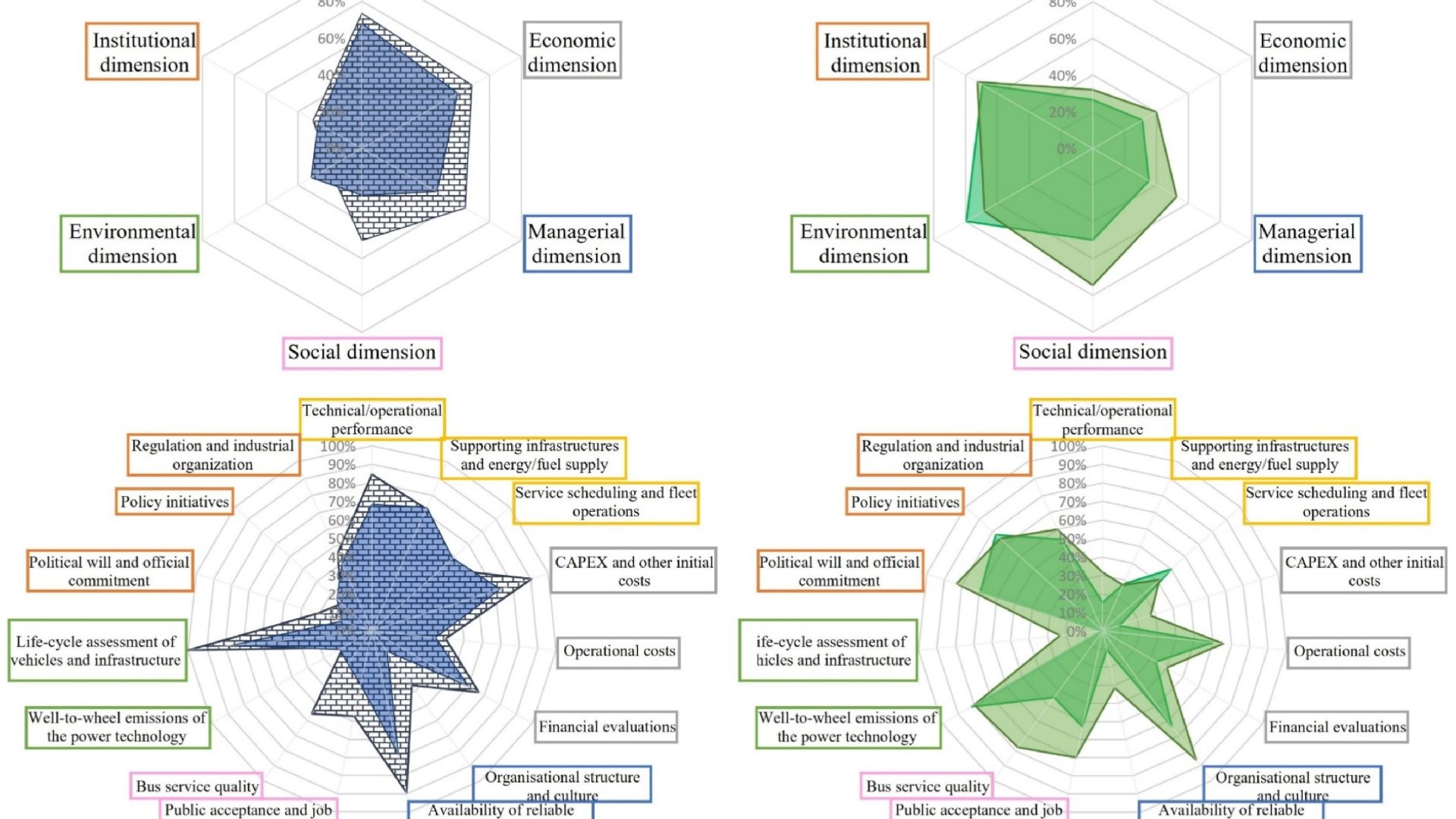
Source: study “Factors influencing the adoption of zero-emission buses: A review-based framework” available available HERE
Why ZEBs aren’t everywhere yet?
Despite the clear environmental benefits of ZEBs, their large-scale implementation is still hampered by a range of obstacles. The study reveals that high upfront costs, the complexity of infrastructure upgrades, and concerns about operational efficiency have slowed adoption in many cities. Moreover, the research highlights that the technological evolution of ZEBs over time has not yet resolved all efficiency and cost-related issues, leading to skepticism among transit operators.
Additionally, uncertainties around battery life, energy supply, and long-term maintenance costs make transport operators cautious about making the transition.
The Drivers: what’s pushing ZEB deployment forward
On the other hand, social and environmental concerns are acting as strong catalysts for ZEB adoption. The study finds that increasing public awareness of air pollution, climate change policies, and the health benefits of cleaner transport have encouraged governments and operators to accelerate their transition. Institutional support, such as funding incentives, regulatory frameworks, and international commitments to carbon neutrality, further strengthens the case for zero-emission public transport. However, the study also raises concerns regarding the cradle-to-grave life-cycle impacts of vehicle components and infrastructure, suggesting that more attention is needed to optimize material sourcing, production, and disposal.
A framework for fleet managers
One of the key contributions of the study is the development of a comprehensive framework that fleet managers can use to assess the most relevant factors influencing their transition to ZEBs. This tool enables operators to better communicate with stakeholders, including policymakers, investors, and the general public, about the challenges and benefits of adopting ZEB technology.
Policy recommendations
Based on the findings, the researchers suggest a multi-faceted approach to overcoming the barriers to ZEB adoption. Key recommendations include:
- Public Transport Revenues: Research should investigate whether and how the adoption of ZEBs might affect public transport demand, which is often the first source of funding for bus operators and a key enabler of investment in ZEB technologies.
- Life-Cycle Assessment of Buses: Addressing the full environmental impact of ZEBs, from production to disposal, to maximize sustainability benefits.
- Mixed Fleet Management: Policymakers should be aware that the transition to ZEBs is a gradual process, during which transport operators may face the challenge of simultaneously managing different power technologies, often at the same depot. This may introduce greater complexity, also with respect to staff skills and competencies.
- Regulatory Framework: Other than establishing clear policies, regulators should focus on new public procurement models since collaboration among stakeholders and flexibility in transport planning are crucial to manage uncertainties concerning the transition.