Solaris battery retrofit service: 170 e-buses in pipeline, 1,300 targeted
More than 1,300 Solaris battery-equipped buses delivered between 2013 and 2019 are now part of an ageing European e-bus fleet. These vehicles are at the centre of a battery retrofit offer launched by Solaris in December 2025, focusing on earlier-generation electric buses currently in operation across multiple European cities. The programme is already addressing around […]
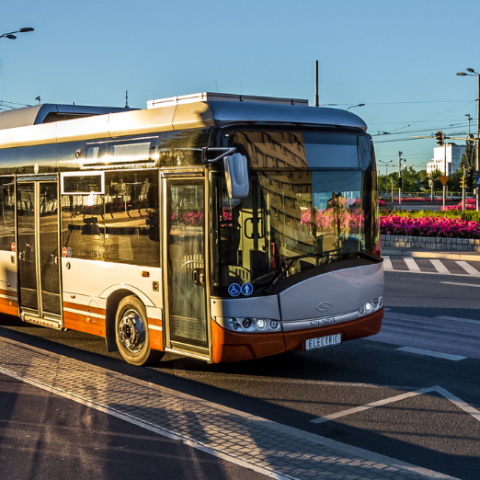
More than 1,300 Solaris battery-equipped buses delivered between 2013 and 2019 are now part of an ageing European e-bus fleet. These vehicles are at the centre of a battery retrofit offer launched by Solaris in December 2025, focusing on earlier-generation electric buses currently in operation across multiple European cities.
The programme is already addressing around 170 vehicles around Europe, with the largest project being carried out in Berlin, where BVG asked for the retrofit of 105 e-buses.
Retrofit offer by Solaris targets early-generation electric buses
Marco Franza, Chief Services Officer at Solaris Bus & Coach, provided further technical details on the offer during a presentation at Mobility Move 2026, held in Berlin from 10 to 12 March. The session outlined the scope of the retrofit intervention and its positioning within the evolution of the European electric bus market.
According to the data presented, Solaris has delivered 1,325 battery-equipped vehicles between 2013 and 2019, representing 22 per cent of its total fleet with batteries, while 4,822 units were delivered between 2020 and 2025, accounting for 78 per cent. The earlier group includes vehicles that have exceeded seven years of operation.
The retrofit programme is framed within the expansion of the European electric bus market, as annual registrations of electric city buses (excluding UK and Ireland) increased from 43 units in 2018 to 5,378 units in 2024. The figure concerning the electric bus market in Europe for 2025, UK included, is of over 11,600 units, over 2,500 of those being delivered in Great Britain.
Within Solaris’ own deliveries, alternative drivetrains represented 86 per cent of total units in 2025.
Solaris, scope of the retrofit of batteries
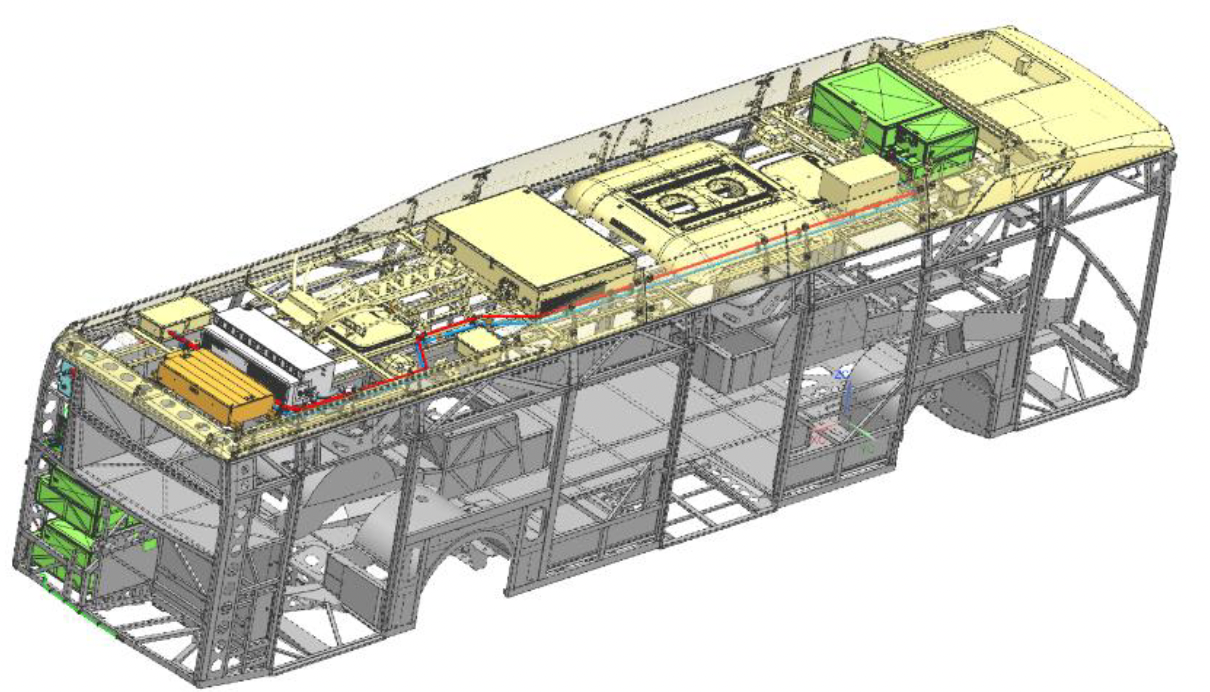
The Solaris retrofit programme is structured around the replacement or modernisation of energy storage systems in existing electric buses, based on an assumption: “Batteries installed in vehicles produced a decade ago differ significantly in capacity and performance from those designed today”, as highlighted by Franza during the presentation. According to the technical outline presented, the intervention includes traction battery replacement, installation or upgrade of battery thermal management systems and updates to the BMS, while ensuring compatibility of the modified batteries with existing charging infrastructure.
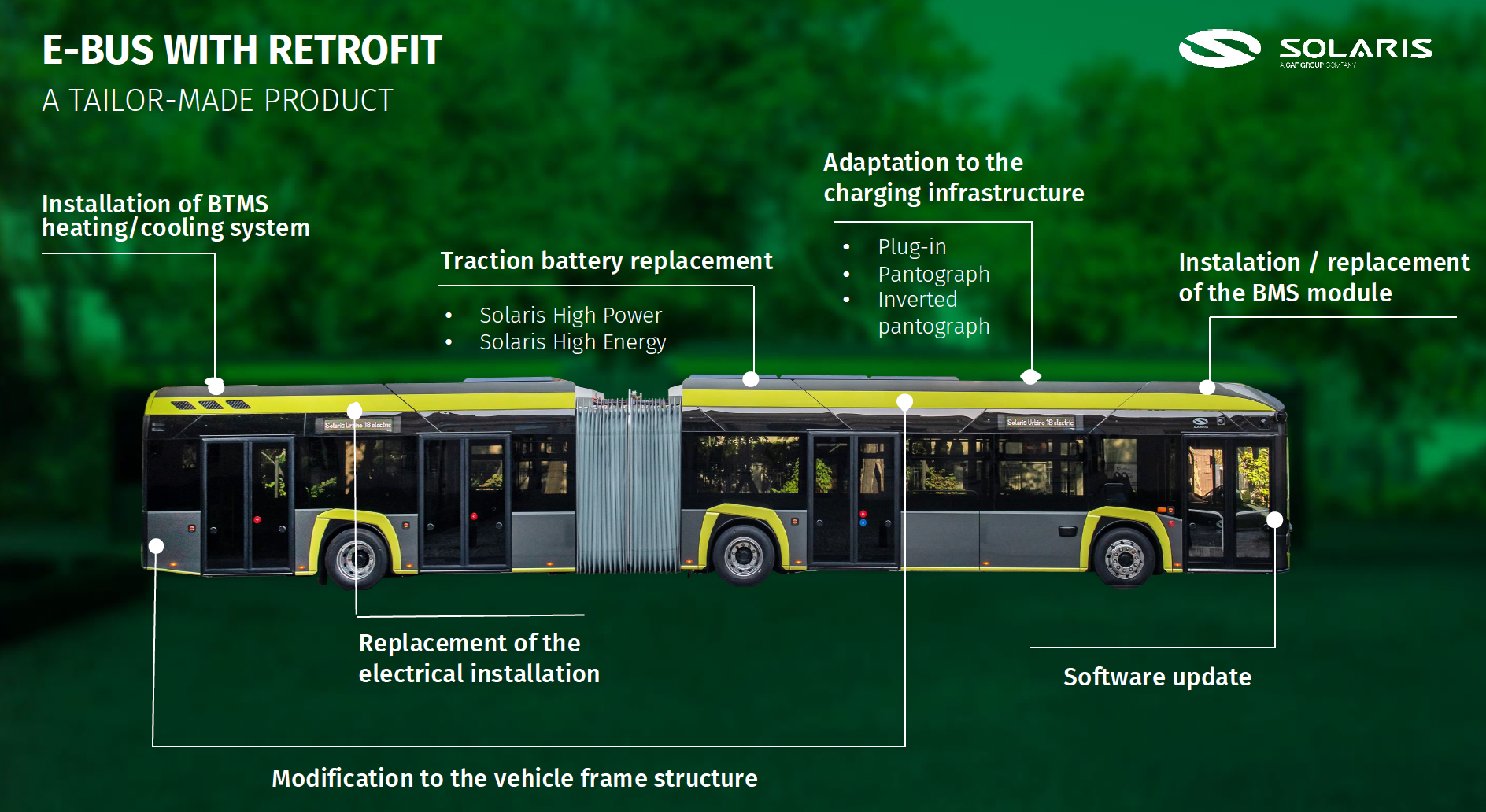
Solaris specifies that the retrofit is configured on a vehicle-by-vehicle basis. The intervention may also include modifications to the vehicle frame structure and replacement of electrical installations, depending on the original configuration of the bus.
Vehicles currently undergoing battery repowering
The retrofit programme is applied to Solaris Urbino electric models operated by several European public transport operators. According to the data presented by Franza, the vehicles involved include 105 units in Berlin, 26 in Kraków, 18 in Cluj-Napoca, 10 in Hamburg, 8 in Jaworzno, 2 in Brussels and 1 in Warsaw, for a total of 170 contracted vehicles.
A case study presented at Mobility Move focused on a Solaris Urbino 12 electric operated by MPK Kraków. The retrofit process includes integration of updated battery systems and modifications to the bus body structure to accommodate new components, as illustrated in technical diagrams included in the presentation.