Use of toxic chemical prompts Hino Motors to cancel sales of BYD’s e-bus in Japan
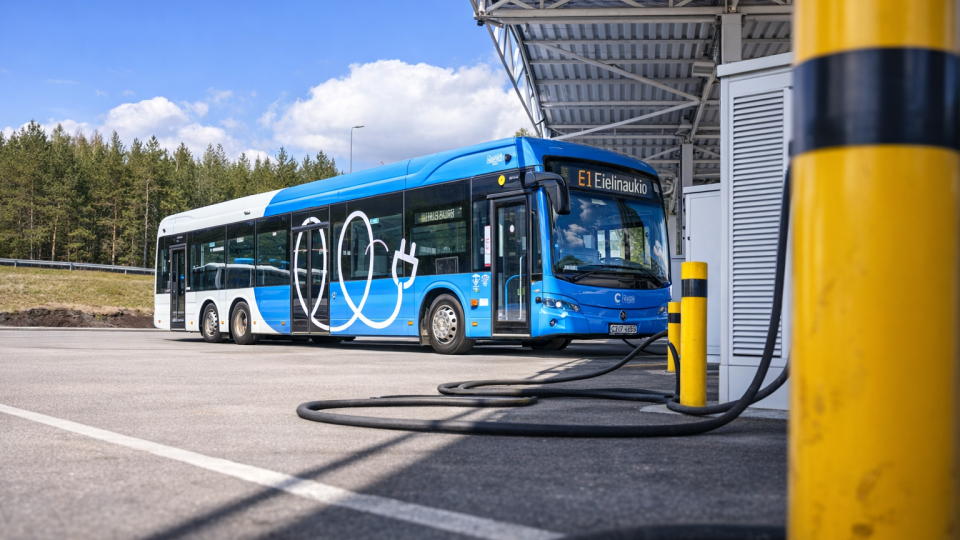
BYD’s plan to supply a small electric bus (Poncho Z EV) to Hino Motors, a Toyota unit, has been cancelled after it was revealed that the bus was built using a toxic chemical that is banned under Japanese industry guidelines, according to an article by Nikkei Asia. The vehicles was planned to be supplied by […]
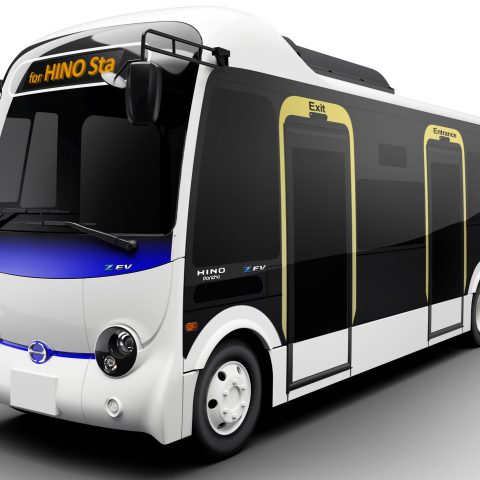
BYD’s plan to supply a small electric bus (Poncho Z EV) to Hino Motors, a Toyota unit, has been cancelled after it was revealed that the bus was built using a toxic chemical that is banned under Japanese industry guidelines, according to an article by Nikkei Asia.
The vehicles was planned to be supplied by BYD to Hino under an original equipment manufacturer contract (originally the kickoff of the vehicle was planned in spring 2022, according to a press communication by Hino).
Hino stops deal with BYD for small e-bus for Japan
The Poncho Z EV, says the article that is based on “sources familiar with the matter”, contains hexavalent chromium, which is considered toxic and a harmful carcinogen. Although there are no laws prohibiting the use of the substance in Japan, it is on a list of substances voluntarily banned by the Japan Automobile Manufacturers Association in 2008.
Hino Motors said that it had abandoned plans to release the 30-seat bus for the Japanese market after being unable to negotiate with BYD to build the bus without using the chemical.
“EV buses for the Japanese market meet all required laws and standards,” BYD’s Japan unit told Nikkei. When asked about the use of hexavalent chromium, the company declined to comment, says the media.
Reuters add that “Hino declined to comment when contacted by Reuters. A BYD Japan spokesperson was not immediately available for comment.”.
Nikkei Asia also says that “BYD’s electric buses had been gaining popularity in Japan, with 80 already in use, according to its Japan unit. The company’s share of the Japanese electric-bus market is 70% or so. Shares in BYD were at one point down 2.5% on Wednesday in the Hong Kong market. The company’s stock price has fallen over 4% in less than a week following Hino’s decision to abandon its plans to release BYD’s compact EV bus”.