First of 107 Solaris Trollino trolleybuses bound for Vancouver leaves factory, testing starts in Gdynia
The first of 107 Trollino 12 battery-powered trolleybuses ordered from Polish manufacturer Solaris has left the production plant and is about to be tested by the Gdynia transport company before being transferred to Vancouver. The 107 vehicles definitively ordered in 2025 are expected to be delivered in 2026 and 2027. Based on the agreed options, […]
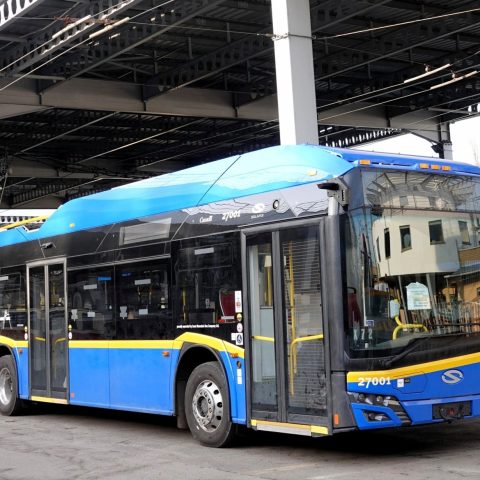
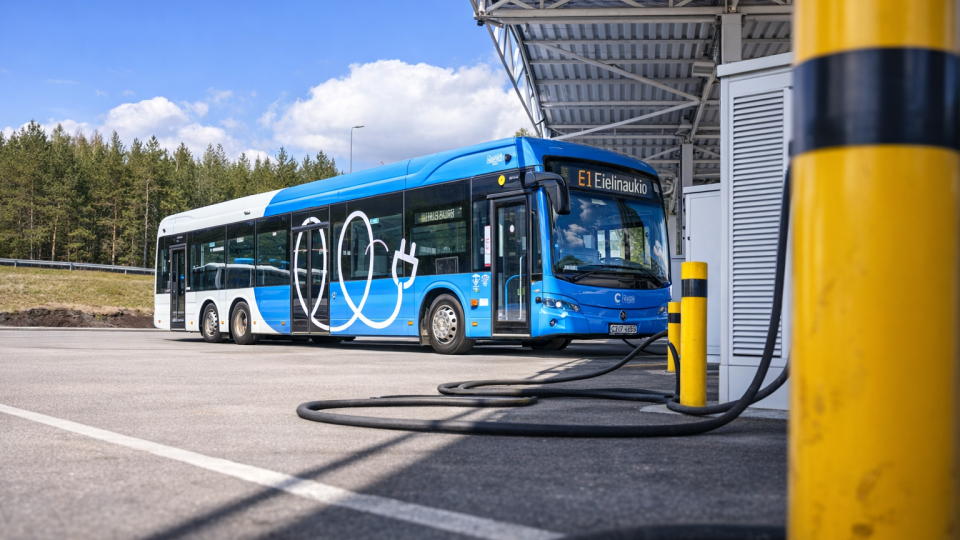
The first of 107 Trollino 12 battery-powered trolleybuses ordered from Polish manufacturer Solaris has left the production plant and is about to be tested by the Gdynia transport company before being transferred to Vancouver.
The 107 vehicles definitively ordered in 2025 are expected to be delivered in 2026 and 2027. Based on the agreed options, the order can be increased to up to 512 vehicles, including 204 articulated buses. The manufacturer, which is currently entering the North American market, plans to present publicly at the APTA Expo in Chicago in October.
Pictures by Marcin Gromadzki Public Transport Consulting, via Magyarbusz[Info]
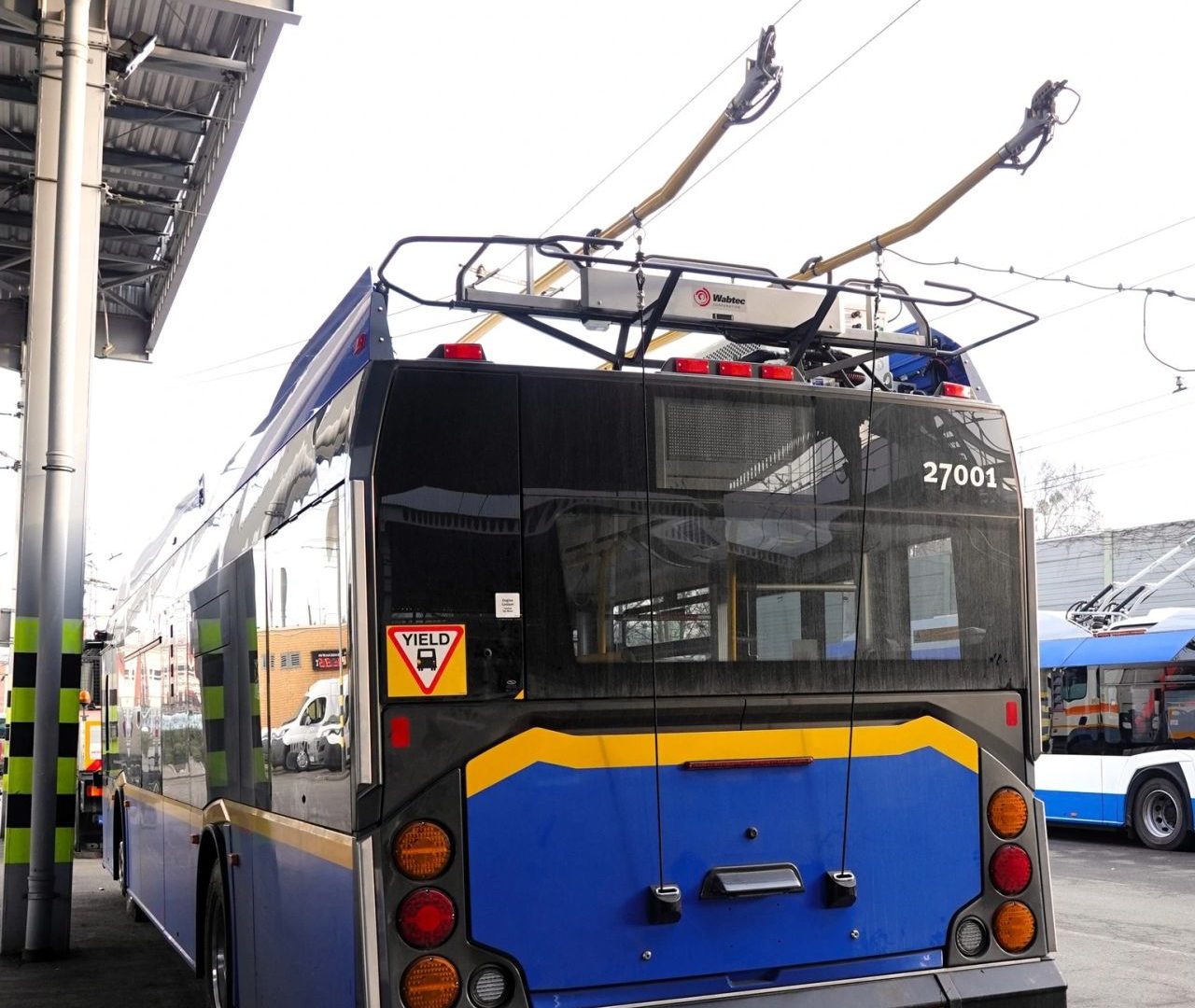
Solaris trolleybuses headed to Vancouver
Vancouver has had a trolleybus network in operation since August 1948 and currently operates a total of approximately 262 trolleybuses, including 74 articulated buses, on 14 lines: one of the largest networks in North America.
The new Solaris trolleybuses are air-conditioned and equipped with a modern passenger information system, as well as battery packs for autonomous operation. The electrical equipment was supplied by the Polish company Medcom.
The aim is to replace the entire current fleet, consisting of New Flyer / Vossloh-Kiepe trolleybuses, and subsequently to purchase additional vehicles to expand the trolleybus service to routes without overhead lines.
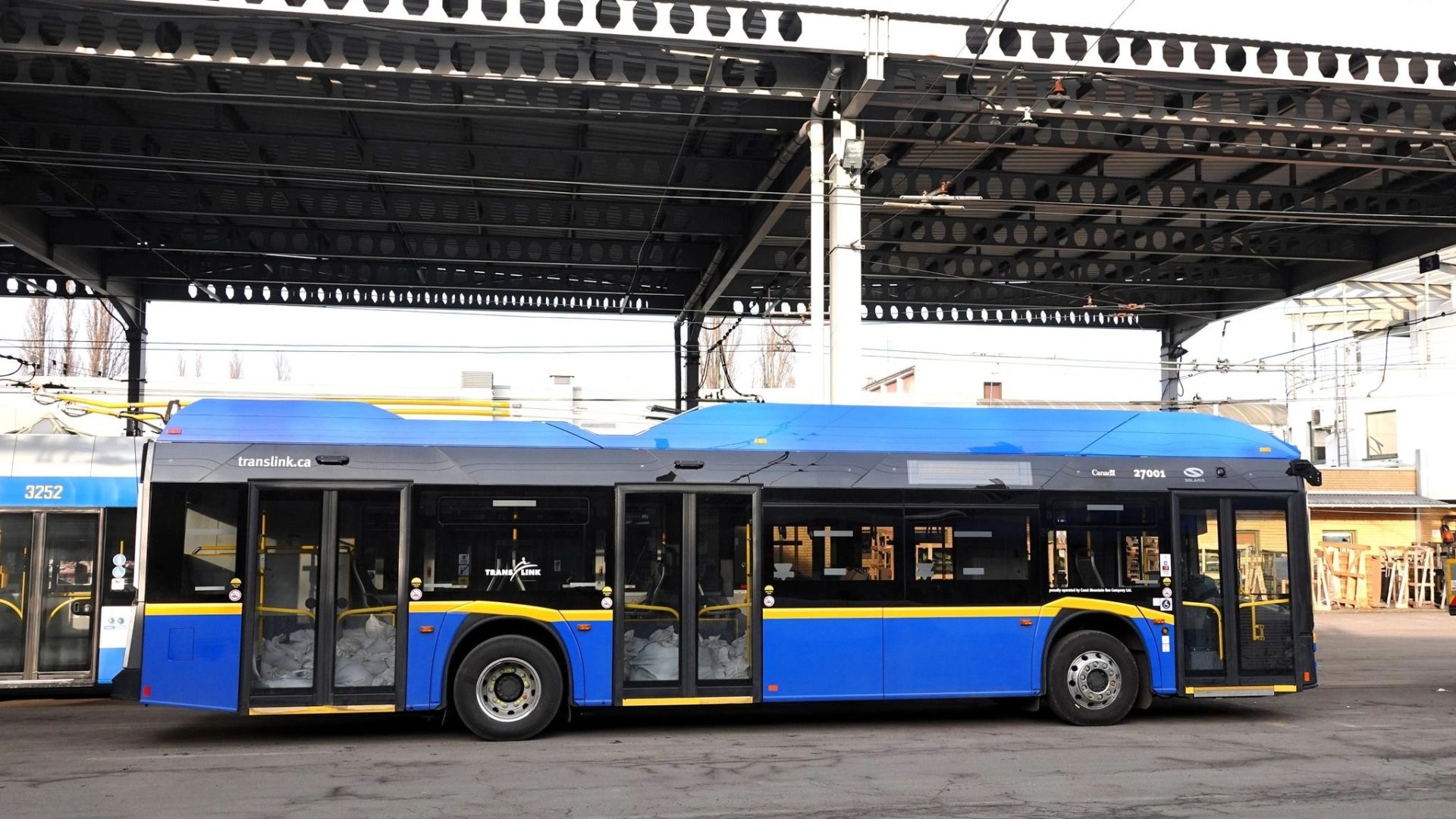
With the introduction of the new Trollino generation, Vancouver continues to focus on the operation of electric trolleybuses.
The new generation of trolleybuses combines classic trolleybus operation with modern battery technology in the form of charging while in motion. This allows the vehicles to travel up to approximately 20 kilometres without overhead lines. The trolleybus network can therefore be expanded without the need to build additional overhead lines.
by Stefano Alfano