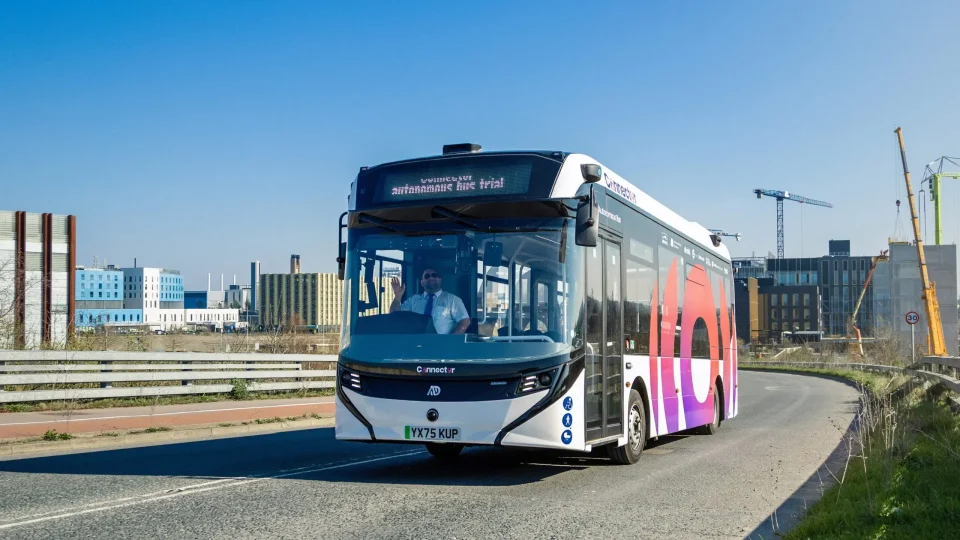
Autonomous Systems brings depot-first autonomy to IT-Trans (and wins 2nd place at the Future Mobility Award 2026)
Autonomous Systems is among the many companies taking part in IT-Trans 2026, scheduled from 3 to 5 March in Karlsruhe, Germany. For the Polish company, this trade fair represents another opportunity to spread what has become its core mantra: autonomy becomes truly useful when it starts in the depot — delivering measurable impact on safety […]
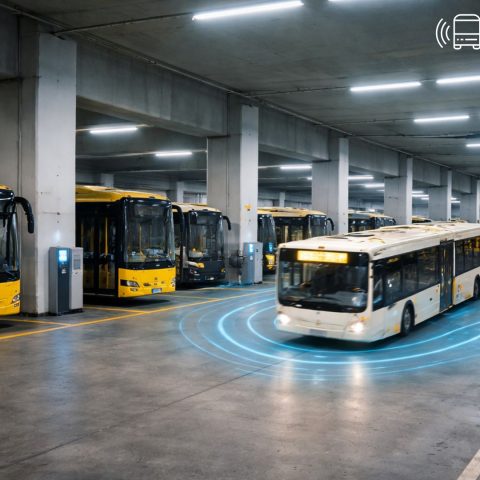
Autonomous Systems is among the many companies taking part in IT-Trans 2026, scheduled from 3 to 5 March in Karlsruhe, Germany. For the Polish company, this trade fair represents another opportunity to spread what has become its core mantra: autonomy becomes truly useful when it starts in the depot — delivering measurable impact on safety and operations before tackling the complexity of open-road traffic.
At It-Trans, Jan Gramatyka (Co-CEO of Autonomous Systems) will speak at the Market Update Forum on 4 March at 15:00 with a presentation entitled “Depot-first autonomy for European smartbuses”, explaining how operators can deploy smartbuses in a controlled environment, build confidence step by step, and create a credible path to scale across depots and fleets.
Autonomous Systems is also the runner-up (2nd place) at the Future Mobility Award 2026, underlining the relevance of its operator-first approach to automation in public transport.

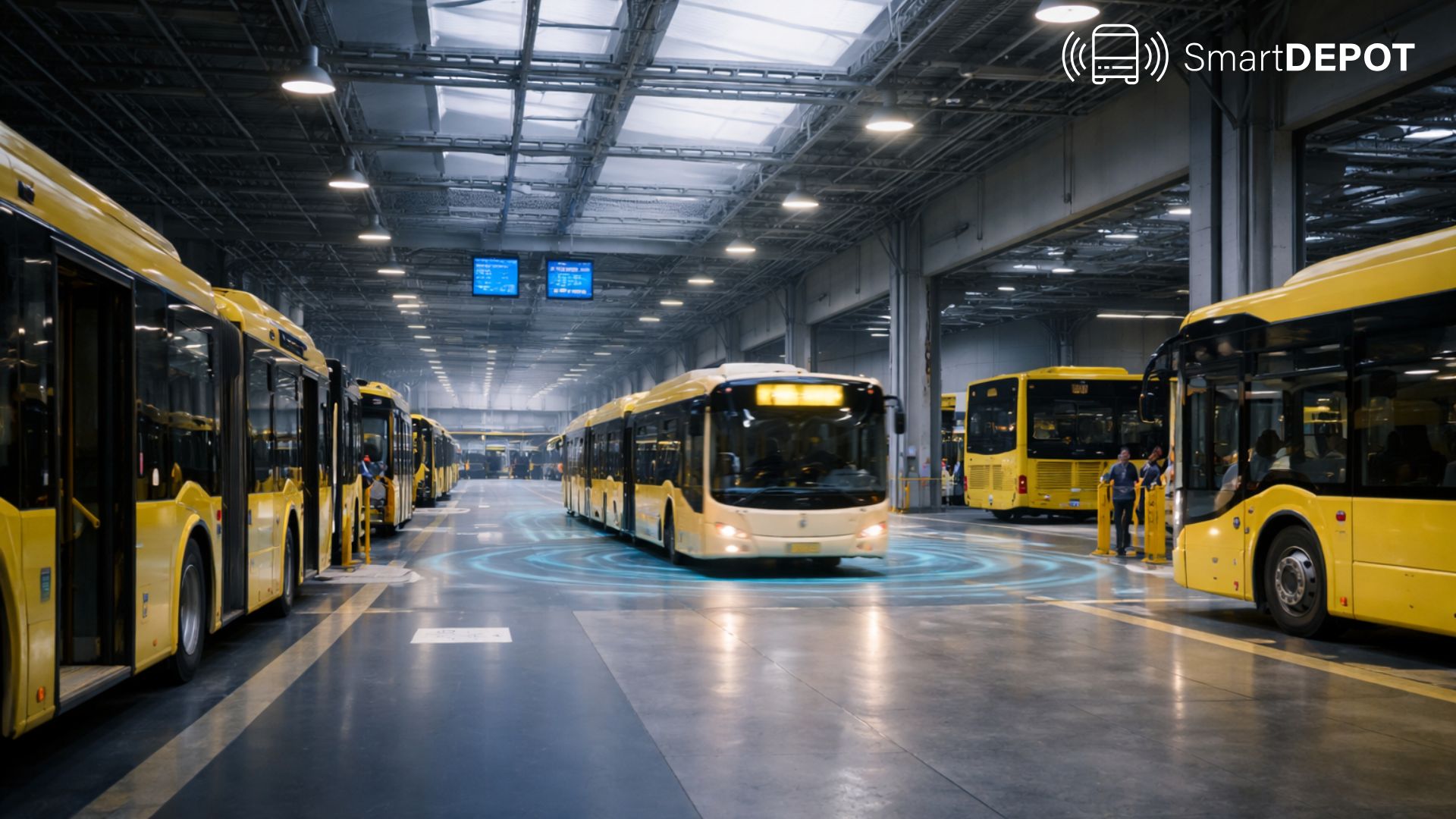
Smart Depot: the Autonomous Systems approach
For many operators, autonomy has been positioned as a long-term destination. Autonomous Systems focuses on a nearer-term reality: depots are where buses spend a significant portion of their operating life, and where repetitive, low-speed movements create daily costs, safety risk, and staffing pressure.
1. A clear, controlled operating environment. Depot-first autonomy is built for low-speed, structured spaces with repeatable routes and procedures — an environment where automation can be introduced responsibly and evaluated with real operational discipline.
2. Economics you can test with your own numbers. Autonomous Systems provides tools that translate “innovation” into operator KPIs — helping teams estimate impact on depot throughput, time spent on shunting/repositioning, and incident reduction using local assumptions.
3. A repeatable path from first deployment to fleet rollout. Smartbuses become credible when the deployment method is repeatable. Autonomous Systems supports this through the Smartbus Onboard Program: a structured way to move from initial interest to an operator-ready implementation plan grounded in depot workflow, infrastructure constraints, safety operations, and business case.