Norwegian authority approves driverless Karsan e-Atak operation without safety driver
The Norwegian Public Roads Administration has granted authorization to transport operators Vy and Kolumbus to operate an autonomous bus on regular public routes without a safety driver. The deployment involves the Karsan e-ATAK platform equipped with autonomous driving software supplied by ADASTEC and supported by the xFlow fleet management system developed by Applied Autonomy, according […]
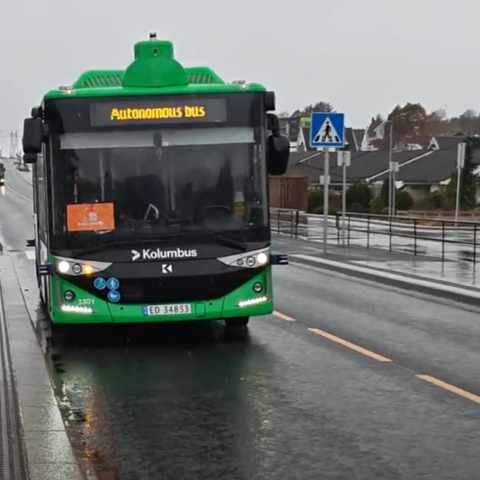
The Norwegian Public Roads Administration has granted authorization to transport operators Vy and Kolumbus to operate an autonomous bus on regular public routes without a safety driver.
The deployment involves the Karsan e-ATAK platform equipped with autonomous driving software supplied by ADASTEC and supported by the xFlow fleet management system developed by Applied Autonomy, according to a press note by Applied Autonomy.
The milestone represents a transition from supervised autonomous operations to fully driverless service within a controlled public transport environment. The vehicle is integrated into Stavanger’s public transport network since 2024, following deployment’s kickoff in 2022.
Within Karsan 2025 results presented in March, the manufacturer stated that is working on removing the safety driver from autonomous vehicles and aims to start fully driverless operations in Stavanger by the third quarter of 2026. Type approval for autonomous vehicles is targeted for 2027.
xFlow platform enables remote supervision and operations
The xFlow system functions as a centralized fleet management platform, enabling real-time monitoring and operational control of autonomous vehicles. The platform supports remote supervision, allowing operators to oversee multiple vehicles simultaneously from a central control hub.
In addition to fleet monitoring, the system includes functionalities for remote passenger assistance. These capabilities are designed to manage onboard situations without the presence of a driver, integrating communication and operational oversight into a single interface.
The deployment forms part of ongoing developments in autonomous public transport systems, combining vehicle automation with remote fleet management infrastructure. The operational model includes centralized supervision and distributed vehicle operation across public routes.
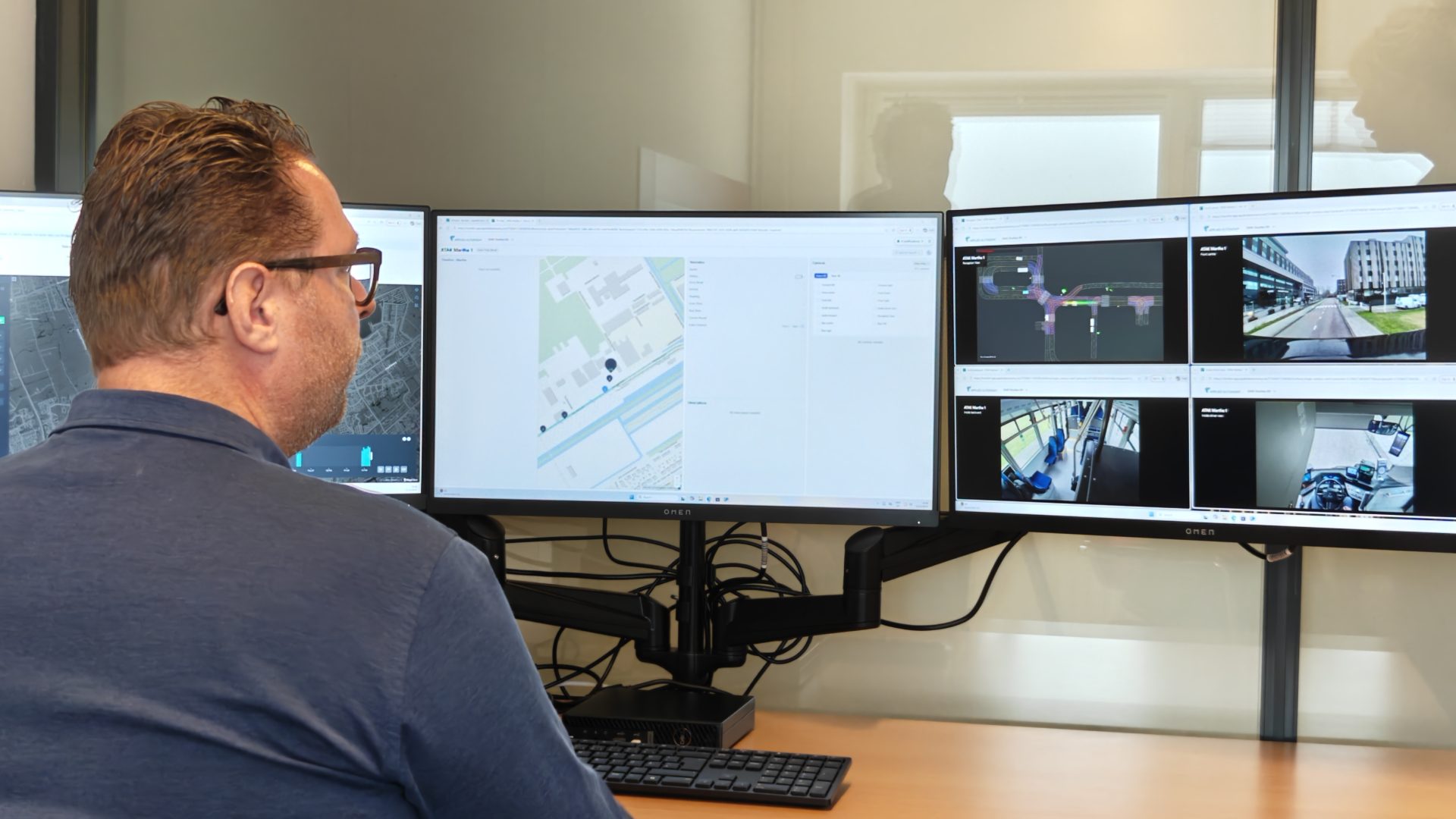
The system architecture links onboard autonomous driving capabilities with external control and monitoring systems, enabling continuous operation without onboard driving personnel. According to a press note by Applied Autonomy, the platform is designed to support scalability of autonomous transport services through centralized management of multiple units.
“By implementing xFlow®, we are removing the primary bottleneck for scaling public transport,” says Olav Madland, CEO of Applied Autonomy. “Our technology allows a single remote operator to support and oversee multiple vehicles simultaneously. This provides a unique opportunity to maintain and even expand route services in areas where recruiting traditional drivers is no longer feasible. With xFlow®, there is a clear path to significant cost savings. By optimizing operations and shifting roles from manual driving to advanced fleet management and remote passenger care, we can deliver more public transit for every dollar spent. This is the key to making autonomous buses a commercially viable solution rather than just a pilot project.”