Karsan’s Autonomous e-Atak passes road tests in Paris
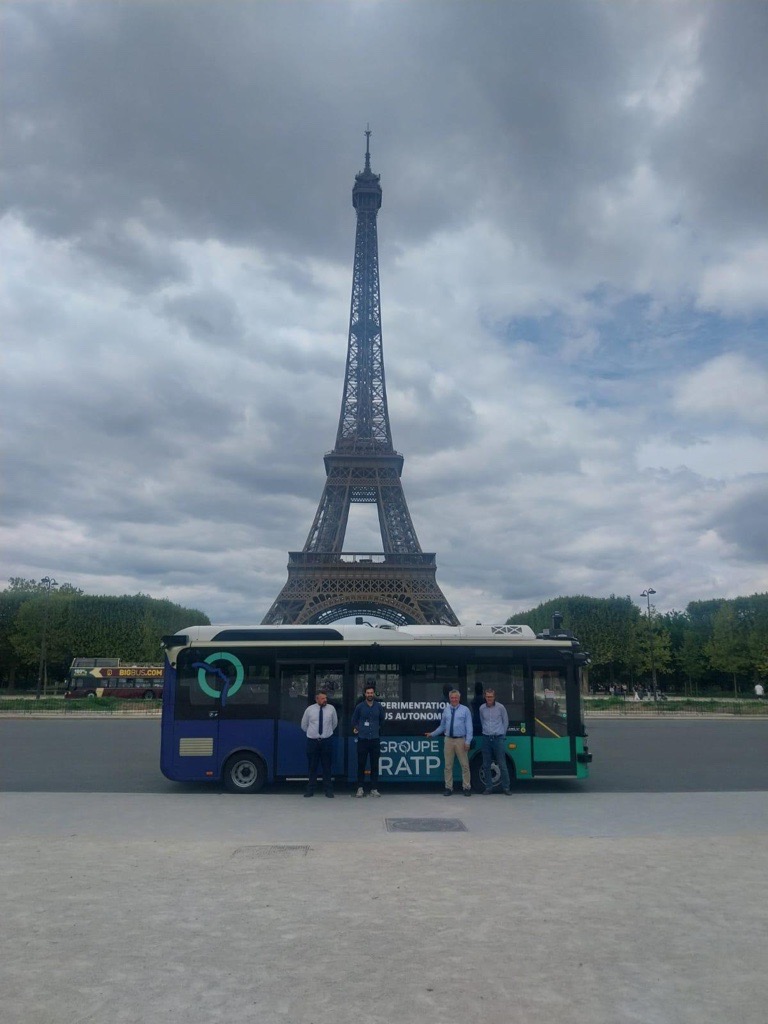
Karsan has successfully completed testing of its Autonomous e-Atak on the streets of Paris, together with RATP. As part of the initiative, the Turkish manufacturer’s electric, driverless midibus completed around 3,000 kilometers in real urban conditions, including open traffic and pedestrian presence, with an average of five hours of operation per day. Based on the […]
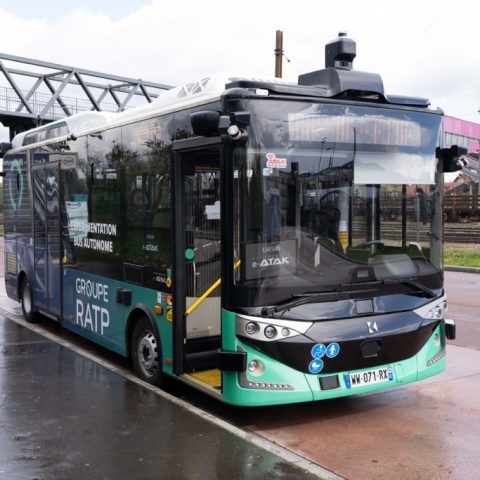
Karsan has successfully completed testing of its Autonomous e-Atak on the streets of Paris, together with RATP. As part of the initiative, the Turkish manufacturer’s electric, driverless midibus completed around 3,000 kilometers in real urban conditions, including open traffic and pedestrian presence, with an average of five hours of operation per day.
Based on the results achieved, the vehicle received nationwide testing approval from the DGEC, the authority responsible for autonomous mobility testing and approval processes under the French Ministry of Transport, obtaining authorization to carry out autonomous operations in open traffic in France.
As part of the project, autonomous driving operations and system validation tests were conducted on the central 8.5-kilometer section of Bus Route 393 (Sucy – Bonneuil RER / Thiais – Carrefour de la Résistance), one of Paris’s busiest and most critical routes. In this context, the vehicle successfully demonstrated its operational capabilities, being tested in advanced driving scenarios including navigation in mixed traffic conditions, precise stopping at bus stops, and real-time interaction with traffic lights and intersections.
Karsan CEO Okan Baş stated: “Our vehicle demonstrated its operational capabilities by successfully testing advanced driving scenarios such as navigation in mixed traffic conditions, precise parking at stops, and real-time interaction with traffic lights and intersections. During the six-month testing period, the vehicle achieved a 98% success rate in autonomous driving without driver intervention. This rate serves as concrete proof of the high reliability and operational maturity of our autonomous solution.”
Adastec Ceo Dr. Ali Peker commented: “Together with RATP and Karsan, we have demonstrated that Level 4 automated driving is a proven and scalable technology for public transport. Successfully operating in one of the most complex metropolitan environments in the world, including high-capacity BRT lines, highlights our capability to deploy and scale automated mobility across diverse real-world conditions.”