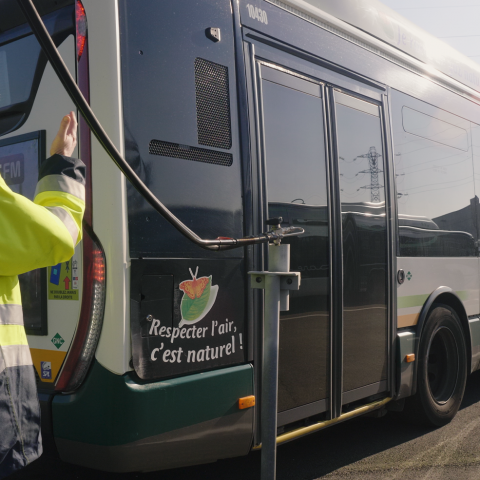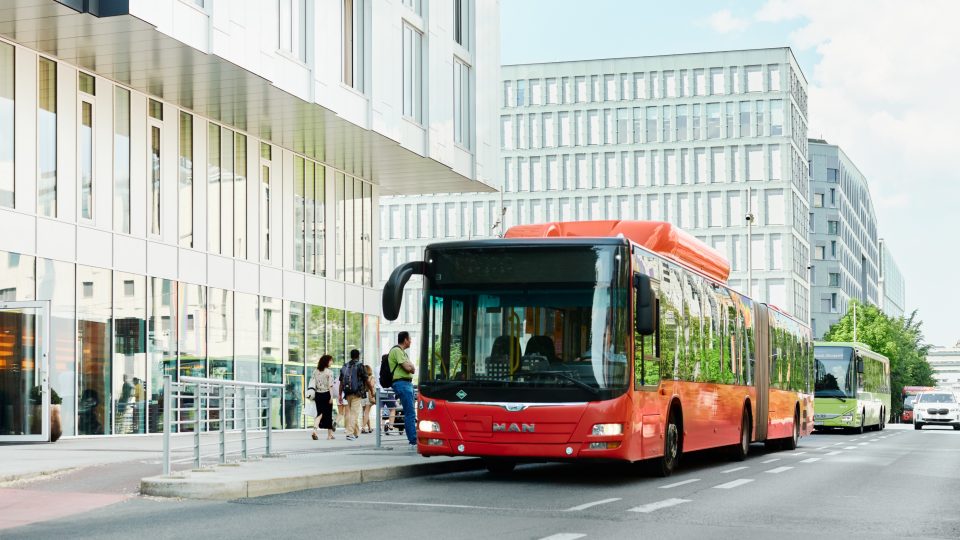
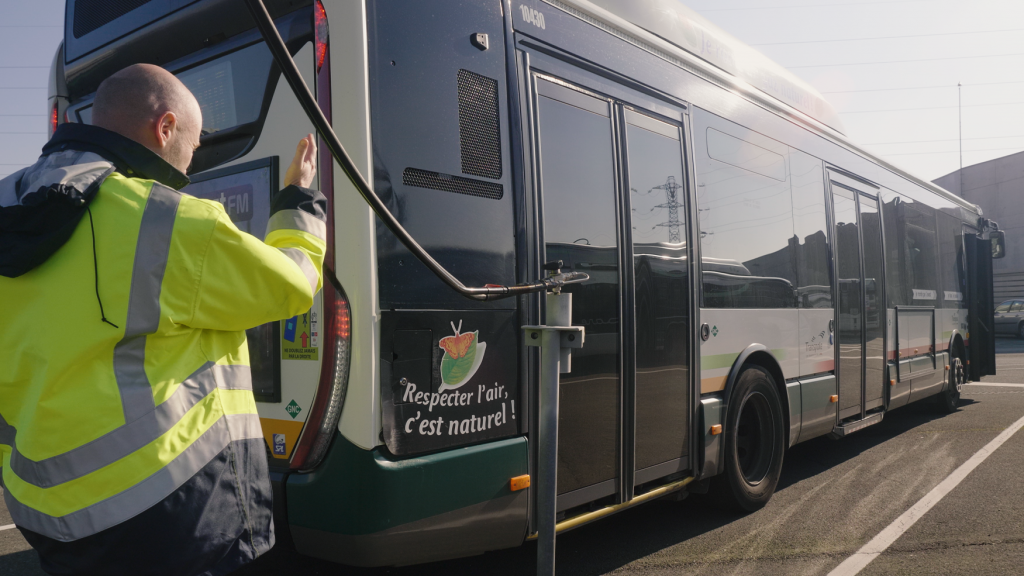
A bus fleet that runs on… waste. Lille, northern France, prides itself on having the largest fleet of natural gas buses in Europe. More specifically: biomethane that comes from household waste. Iveco Bus and the transport operator Keolis are the main actors in the project. Cnh Industrial dedicated to the French city’s case study the latest episode of the webseries “Behind the wheel”. You can watch it from HERE.
Lille, biogas and circular economy

The city of Lille is now firmly established at the forefront of large scale, sustainable mobility projects and Iveco Bus is a proud partner in this quest for an efficient and environmentally friendly public transport system. The project began nearly 25 years ago when this forward thinking city began to explore ways of improving air quality and to experiment with alternative fuels. In 1990, the local authorities decided to start using biogas produced at a sewage treatment plant. Instead of combusting it in a flare, they decided to purchase buses fueled by biomethane. The first four buses were put on the roads in 1994. Now there are 428 cng buses in the fleet of Keolis.

Half of the fleet runs with biogas

The city reached important achievements: half of the bus fleet was replaced with biogas buses and two recycling plants were built in order to manage the increasing amounts of waste. According to data released in 2016, 108,000 tonnes of waste are processed annually, producing more than 4 mln m3 of biogas (which corresponds to 4.5 million m3 of diesel oil) used for city’s buses of fed into the mains gas network. The compost is used to enrich farmland. In the episode of “Behind the wheel” series is shown how every day household waste is collected, delivered to the biogas plant and converted into biomethane to fuel the city’s buses. The creation of this virtuous cycle simultaneously provides solutions for efficient waste management, improved air quality and sustainable mobility.

Highlights

The bus industry’s smartphone moment

On 18 March 1895, at 6:25 in the morning, the world’s first motor bus line opened between Siegen, Netphen and Deuz. The vehicle was a Benz Landauer. It had eight seats, a one-cylinder engine of five horsepower, and fifteen kilometres of bad road ahead of it. On the steepest hill, the passengers had ...

Related articles

New Flyer wins $93 million Houston METRO order for 100 CNG buses

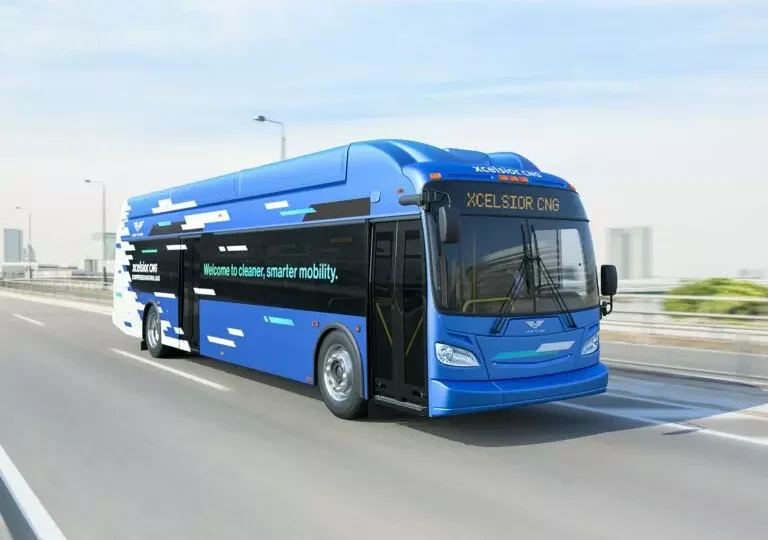
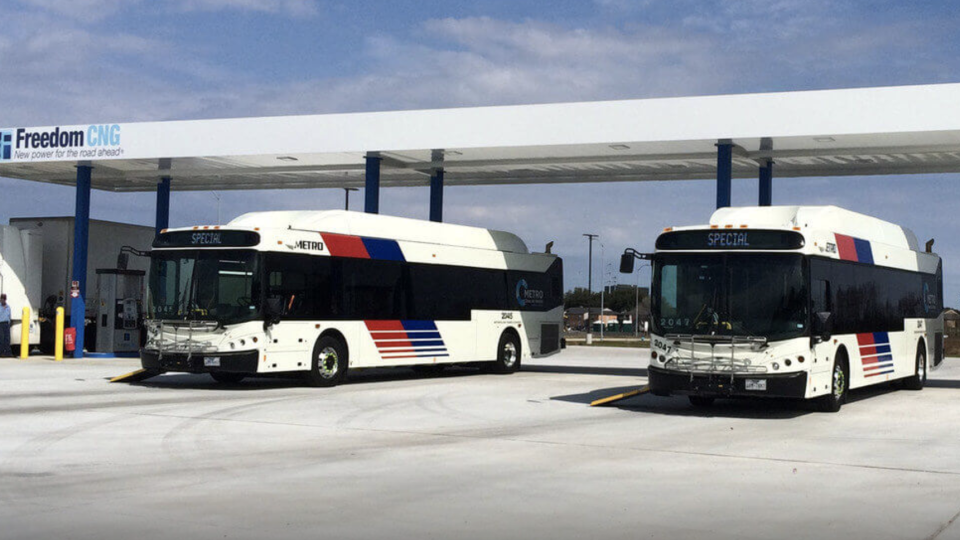
Houston METRO has ordered 100 New Flyer Xcelsior 40-foot CNG buses in a procurement valued at approximately $93 million. New Flyer of America, a subsidiary of NFI Group, announced the order on 17 September. The new compressed natural gas buses will replace vehicles that have reached the end of their...