“Impact Tomorrow”: inside KIEPE’s system approach to zero-emission mobility
The mobility transition is already a reality: cities and regions worldwide are adopting electric drive systems to make public transport emission-free, efficient and future-proof. Traction equipment plays a central role in this process, serving not only as the technical backbone but also as a strategic lever for sustainability, cost-effectiveness and quality of life. Modern traction systems enable resource-efficient operation through intelligent power electronics, optimized driving strategies and the recovery of braking energy. KIEPE has equipped more than 5,000 vehicles worldwide with zero-emission technology.
Authored and sponsored by Kiepe
The mobility transition is already a reality: cities and regions worldwide are adopting electric drive systems to make public transport emission-free, efficient and future-proof. Traction equipment plays a central role in this process, serving not only as the technical backbone but also as a strategic lever for sustainability, cost-effectiveness and quality of life.
Modern traction systems enable resource-efficient operation through intelligent power electronics, optimized driving strategies and the recovery of braking energy. KIEPE has equipped more than 5,000 vehicles worldwide with zero-emission technology, including electric buses with In-Motion-Charging (IMC®) and lightweight regional trains such as the new DRAISY from Lohr.
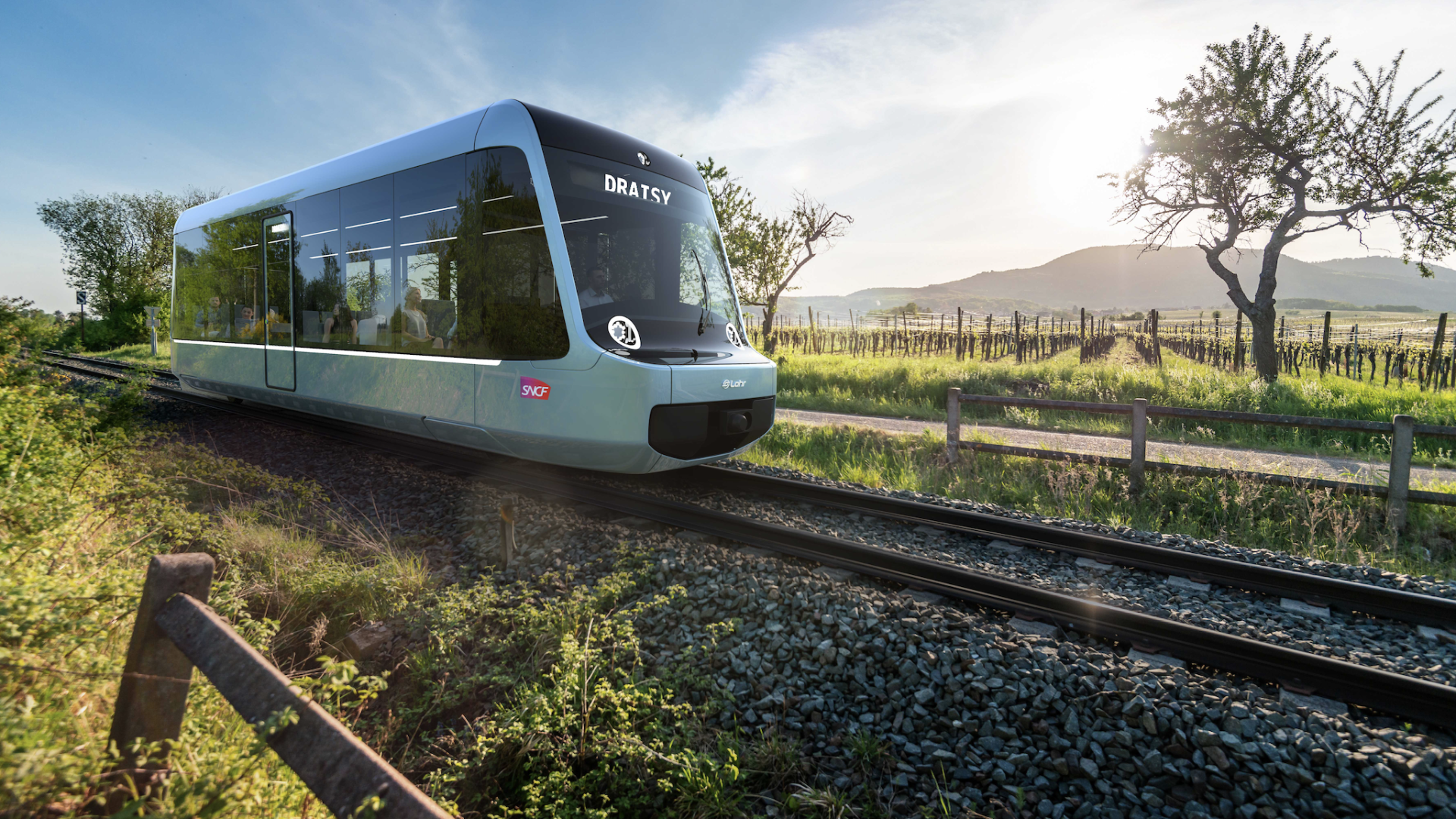
KIEPE zero emission technology, also for retrofit
Reduced maintenance times through robust architecture and modernization contribute to greater efficiency. Sustainable public transport requires durable and easy-to-maintain systems. KIEPE relies on robust components that can be easily serviced and replaced thanks to their modularity. Modernization is particularly relevant: instead of replacing entire fleets, existing vehicles can be upgraded with targeted measures. Examples such as the modernization of 127 metro cars in Philadelphia, grinding trains in Essen, or the comprehensive renewal of light rail vehicles in Cologne demonstrate how new power electronics, control technology and diagnostic systems can significantly increase service life and efficiency. This saves resources, reduces costs, extends operational lifespans, and makes a genuine contribution to the circular economy.
Sustainability itself serves as a guiding corporate principle. KIEPE aligns with the United Nations’ Sustainable Development Goals and pursues a clear strategy: all sites are to operate CO₂-neutral. Sustainability is understood holistically, ecologically through zero-emission technologies, economically through durable and efficient systems and socially through responsible corporate governance. The new claim “Impact tomorrow” captures this ambition: with innovative system expertise, KIEPE aims to act as a global driver of sustainable mobility, today and in the future.
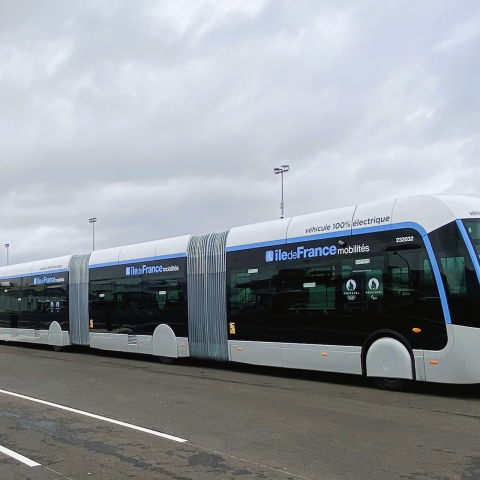
Tzen 4 project in Paris, with KIEPE traction system and smart fleet management
A pioneering pilot project illustrates how KIEPE, together with partners, is making sustainable urban mobility a reality: for the Bus Rapid Transit line Tzen 4 in the south of Paris, the consortium Van Hool/KIEPE/Alstom has introduced battery-electric double-articulated buses. Equipped with a powerful traction system from KIEPE and intelligent battery management, the vehicles are ready for operation again in less than five minutes, an essential factor for short headways. In addition, KIEPE’s Smart Fleet Management ensures efficient energy use and extended battery life. With 30 vehicles of this new generation, Île-de-France Mobilités is setting a benchmark for sustainable urban transport on a large scale.
Whether on city bus routes or regional rail lines, the requirements for traction systems are increasingly converging. Energy efficiency, ease of maintenance, and sustainability are universal principles that prove their worth in both domains. KIEPE demonstrates how a systemic approach bridges the gap between road and rail, paving the way for connected, emission-free mobility.