India, Chennai deploys 120 electric buses under MTC fleet
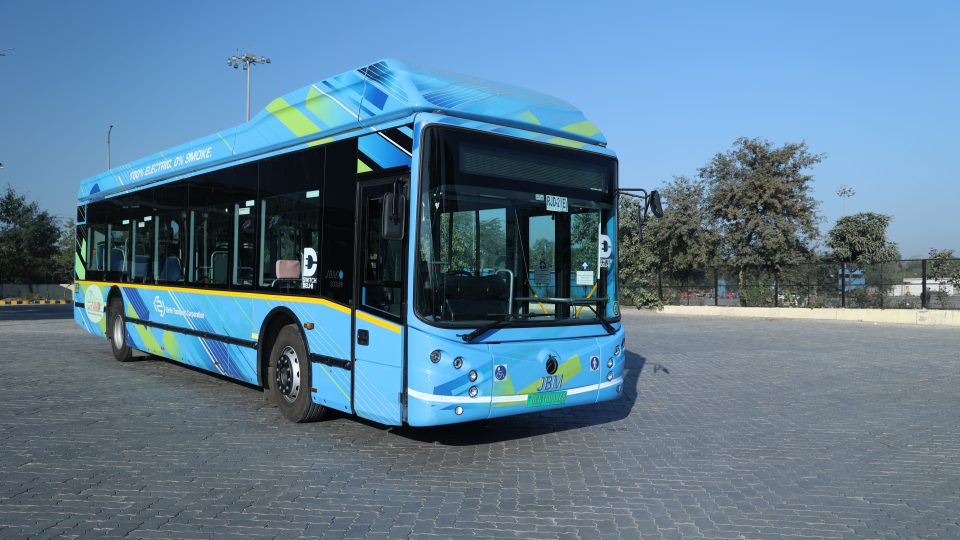
The Indian city of Chennai, in Tamil Nadu, has introduced 120 low-floor electric buses into service under the Metropolitan Transport Corporation (MTC), marking the first deployment of this type of vehicle for public transport in Tamil Nadu. The vehicles, produced by Ashok Leyland, were officially flagged off at the upgraded Vyasarpadi depot by Chief Minister […]

The Indian city of Chennai, in Tamil Nadu, has introduced 120 low-floor electric buses into service under the Metropolitan Transport Corporation (MTC), marking the first deployment of this type of vehicle for public transport in Tamil Nadu. The vehicles, produced by Ashok Leyland, were officially flagged off at the upgraded Vyasarpadi depot by Chief Minister M.K. Stalin. It’s reported on the local media The Hindu and covered by industry agency Electrive.
In 2024, India registered 3,616 electric buses, compared to over 41,000 diesel units. The electric segment represented 12.5% of heavy passenger vehicle (HPV) registrations and only 6.2% of the total bus market.
120 electric buses for Chennai, Tamil Nadu
The investment for the 120 buses amounts to ₹207.90 crore (approximately €22.9 million), while the Vyasarpadi depot upgrade was completed at a cost of ₹47.50 crore (around €5.2 million). The deployment is part of the Chennai City Partnership: Sustainable Urban Services Programme, supported by the World Bank and the Asian Infrastructure Investment Bank.
The Times of India reports that “The fleet is operated by private staff under a gross cost contract model-marking the first MTC fleet run without its own drivers. Under this model, the private operator owns, maintains, and runs the buses, while the government pays per kilometre of service”.
Each bus has a stated range of up to 200 km on a full charge and is equipped with 39 seats featuring seat belts, LED destination displays, CCTV cameras, emergency alarms, and mobile phone charging points. Accessibility features include a wheelchair ramp and anchorage points.
The 120 buses will operate from the Vyasarpadi depot, which was equipped with the required charging and maintenance infrastructure as part of this phase. Additional depots—in Perumbakkam, Poonamallee, Central, and Tondiarpet—are said to be in development to support the expansion of the electric bus fleet.
According to the Tamil Nadu Transport Department, the first phase involves the deployment of 625 low-floor electric buses at a total cost of ₹697 crore. The Perumbakkam depot is expected to become operational by August 2025, with full deployment of all five depots and 625 buses, including 225 air-conditioned units, scheduled for completion by February 2026.
MTC officials stated that the buses fall under the “Deluxe” fare category and will supplement existing services rather than replace them.