Further 14 e-buses (by Iveco Bus) for Rome: by 2026, 40% of ATAC’s fleet will be full electric
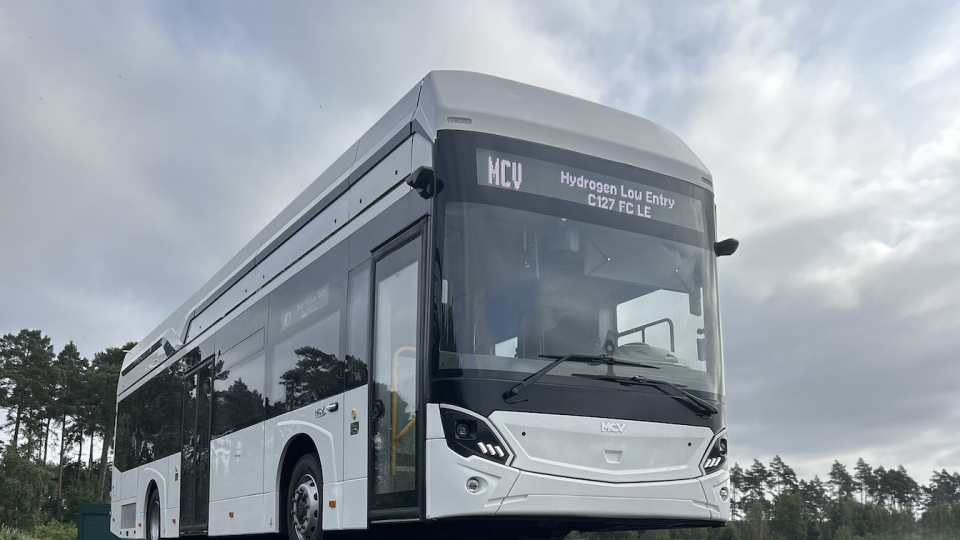
Rome’s municipal operator has increased its e-bus order from the original 411 units to 425 vehicles. Our sister media Autobusweb reports that the update emerged from the “IV Report to the City”, covered by Odissea Quotidiana – a Rome-focused mobility news outlet. The additional 14 battery-electric buses, funded through the National Strategic Fund for Sustainable […]

Rome’s municipal operator has increased its e-bus order from the original 411 units to 425 vehicles.
Our sister media Autobusweb reports that the update emerged from the “IV Report to the City”, covered by Odissea Quotidiana – a Rome-focused mobility news outlet. The additional 14 battery-electric buses, funded through the National Strategic Fund for Sustainable Mobility, will be allocated to the Portonaccio, Tor Sapienza, Trastevere, Grottarossa and Tuscolana depots. “The purchase will be carried out using the compulsory 20% extension clause on the tender awarded to Iveco Bus,” the report notes.
ATAC has massively renewed its bus fleet
According to the “IV Report to the City”, more than 800 low-emission buses entered service between 2022 and August 2025 (355 in 2024 alone). These include the first 110 of the 425 electric buses that will be delivered by 2026, supported by a total investment of €220 million (€208 million from Italy’s NRRP, the remainder from ATAC, plus the PSNMS fund covering 14 additional e-buses).
Among the 800 new vehicles, 322 are 12-metre latest-generation CNG buses, delivered between late 2024 and mid-2025.
By 2026, out of a total fleet of 1,800 buses, more than 1,200 will be next-generation green vehicles.
The renewal programme has replaced end-of-life buses, reducing the average fleet age from 12 years to around 5 years. By the end of the plan, approximately 40% of the new fleet (over 25% of the total bus park) will be fully electric, contributing to a 66% reduction in overall emissions.