French environment Ministry missed the appointment planned in july 2018
by Jean-Philippe Pastre The French law entitled “Loi de Transitition énergitique pour la croissance verte” issued in August 2015 planned a meeting initially scheduled on July 2018. It was intended to check if the operators, manufacturers and local authorities were ready to fulfill the 2020 obligations. The target is ambitious: in all the metropolitan areas […]
by Jean-Philippe Pastre
The French law entitled “Loi de Transitition énergitique pour la croissance verte” issued in August 2015 planned a meeting initially scheduled on July 2018. It was intended to check if the operators, manufacturers and local authorities were ready to fulfill the 2020 obligations.
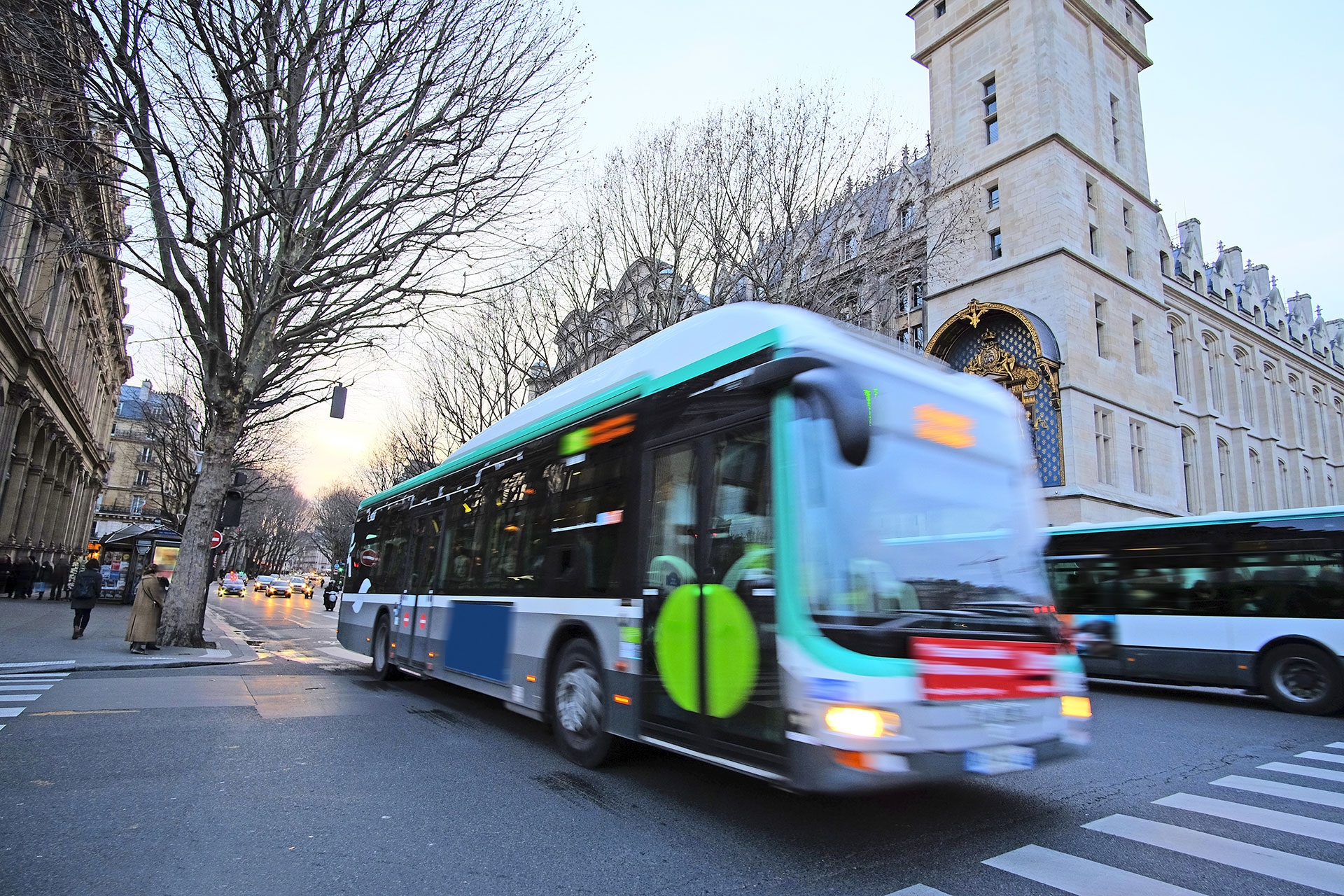
The target is ambitious: in all the metropolitan areas of 250,000 inhabitants (and more), 50% of the vehicles in the tenders must be compatible with the “low emissions vehicules” criteria. That excludes Diesel (even Euro VI with alternative fuels like HVO) and hybrid buses (as long as they are not able to move in Zero Emission mode).
French ministry hasn’t published report yet
This appointmend has been missed, due to a delay in the French Environment Ministry (Commissariat Général au Développement Durable) which didn’t published a report expected in the first six months of 2018. This report should have been the base of the discussions planned in july this year. This might be explained by a overburdened administration which has to manage the Loi d’Orientation des Mobilités to be published in september 2018.