Articulated electric buses are now in operation on all five Osnabrück’s MetroBus axes
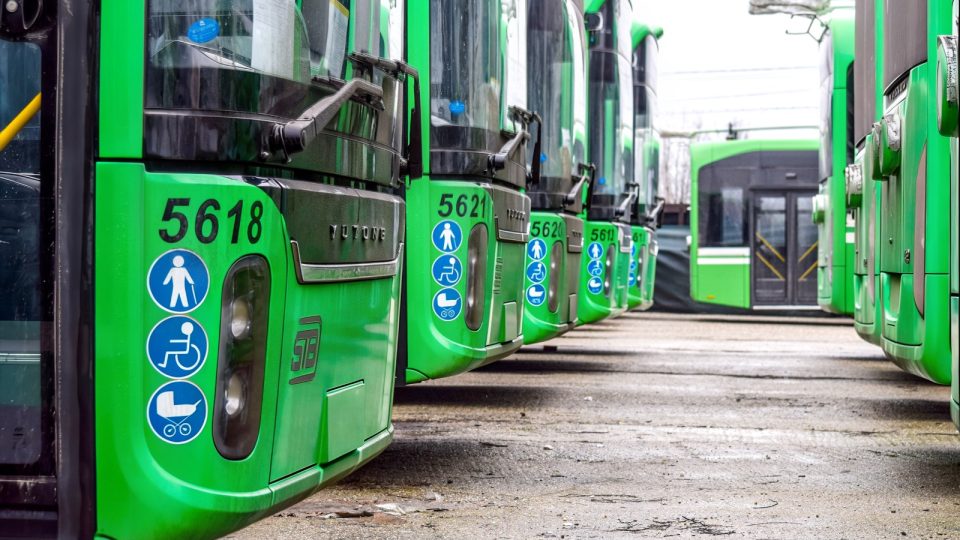
Starting from January 2022, all 62 Stadtwerke Osnabrück’s articulated electric buses were on the road for the first time on all five MetroBus axes. This marks another milestone on the way to completely electrically powered bus transport. At the end of March 2019, the MetroBus line M1 was converted to pure electric operation; this was […]
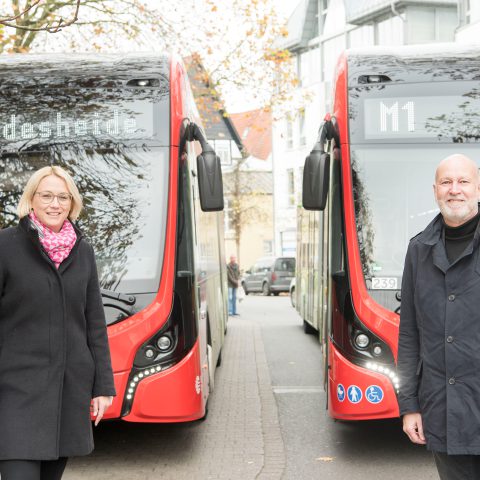
Starting from January 2022, all 62 Stadtwerke Osnabrück’s articulated electric buses were on the road for the first time on all five MetroBus axes. This marks another milestone on the way to completely electrically powered bus transport.
At the end of March 2019, the MetroBus line M1 was converted to pure electric operation; this was followed by the MetroBus axes M2, M3, M5. M4 MetroBus line went electric, although not completely, in late 2021 (one year ago it was three e-lines).
Four electric bus routes in Osnabruck
As of 1 March, the total mileage of the E-articulated bus fleet was just under four million kilometres. “In the first two months of this year alone, the now 62 e-buses have covered a total of more than 500,000 e-kilometres – charged with green electricity from the region,” explains Stadtwerke Mobility Director Dr. Stephan Rolfes.
In 2021, the e-buses charged a total of almost four million kilowatt hours of green electricity, according to the information released by the Stadtwerke itself. Diesel buses would have required the equivalent of more than 1.1 million litres of diesel. “Pollutants were and are therefore not emitted – instead, clean and quiet e-buses travel through the streets of our city.
“We are something like the ‘secret e-bus capital of Germany’,” is how Osnabrück’s mayor Katharina Pötter – who is also chairwoman of the Stadtwerke supervisory board – describes the pioneering role Osnabrück is playing in the system change from diesel to e-buses. In October 2018, the first electric articulated bus from the Dutch manufacturer VDL arrived at the Stadtwerke. The last of the 62 vehicles ordered was delivered on time on 30 December last year. “The partnership with VDL is absolutely exemplary in many respects,” emphasises Stadtwerke Mobility Director Dr. Stephan Rolfes.
Ms Pötter therefore underlines the importance of electric-powered local transport for environmental and climate protection. “For every e-bus, one diesel bus was taken out of service – an enormous effect for better air quality in our city.”