Rampini and CaetanoBus join their electric bus ranges
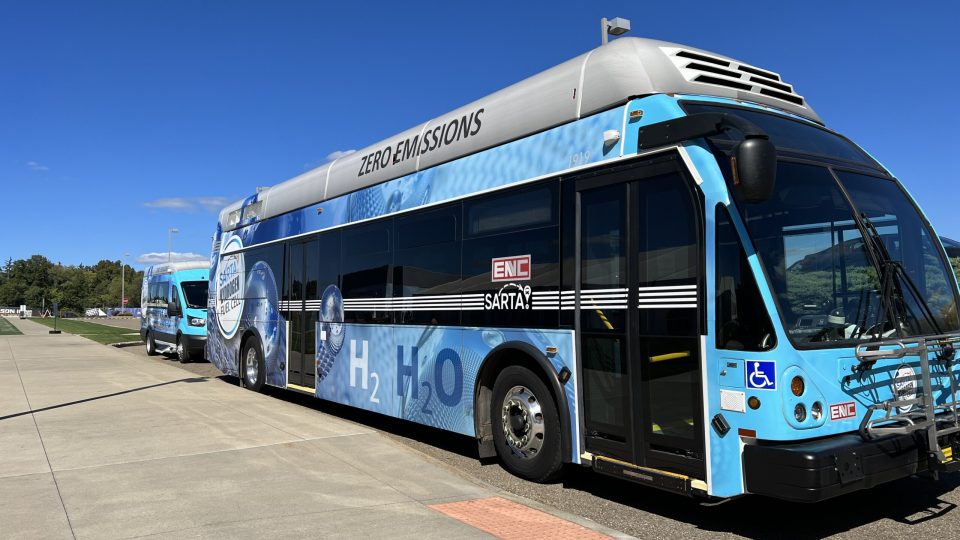
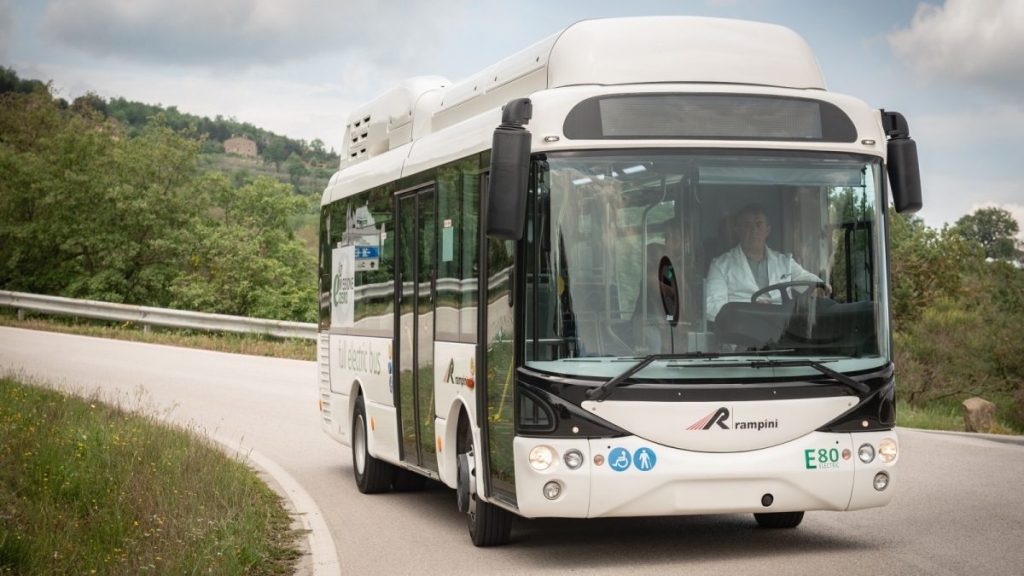
Rampini and CaetanoBus, two ‘families’ of electric buses become… one. The Italian company Rampini incorporates the CaetanoBus e.City Gold (10.7 and 12-meter version); CaetanoBus includes in its portfolio the short electric buses Rampini E60 and E80. Therefore, as a result, both manufacturers will be able to deliver electric bus models from 6 to 12 meter […]
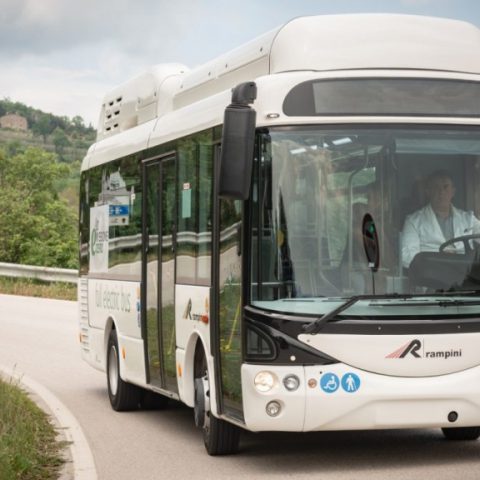
Rampini and CaetanoBus, two ‘families’ of electric buses become… one. The Italian company Rampini incorporates the CaetanoBus e.City Gold (10.7 and 12-meter version); CaetanoBus includes in its portfolio the short electric buses Rampini E60 and E80.
Therefore, as a result, both manufacturers will be able to deliver electric bus models from 6 to 12 meter in their respective markets.
An Italo-Portuguese deal on electric buses
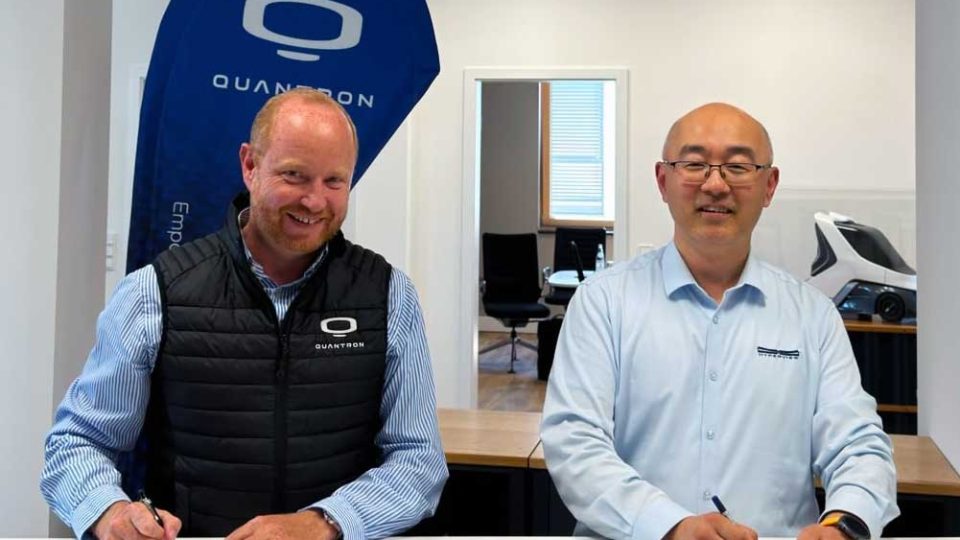
Rampini and CaetanoBus have announced today the extension of their product portfolio thanks to a commercial agreement. This agreement, the companies points out in a jointly-released press note, «represents a new significant step forward in the Companies’ commercial repositioning strategy, as a confirmation of the intention to aim for the offer extension».
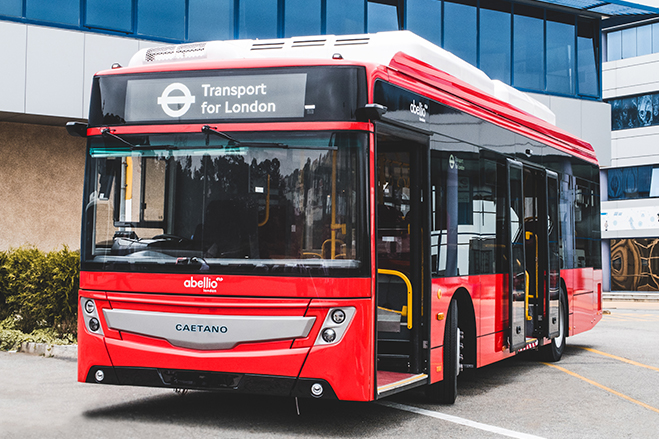
As a result of the deal, Rampini incorporates CaetanoBus’ e.City Gold 10.7m and 12m (soon to be in operation in London) in its product portofolio for the Italian market. They’ll be named Rampini E100 and E120. In 2018 the Italian company has won a tender for 18 ebuses in Madrid.
On the other hand, CaetanoBus incorporates Rampini’s E60 and E80 in its product portfolio as e.City Gold 6 and e.City Gold 8 for the Portuguese market.
Rampini and CaetanoBus, the crucial role of e-mobility
“The new zero-emissions buses E100 and E120, – Rampini General Manager Fabio Magnoni comments – allow Rampini to provide an increasingly wide range of innovative and sustainable solutions. Electric mobility plays a crucial role in the transport landscape of the new millenium”.
“With this partnership – says CaetanoBus CEO, Jorge V. Pinto – we strengthen and expand our portfolio of electric mobility products, thus taking another step to create a shift towards cleaner and more sustainable transport solutions. We are confident that this will also increase competitiveness of electric vehicles in the European market, accelerating the change to zero emissions mobility”.