Vilnius buses to get a touch of… ‘green’ with the first ebus procurement
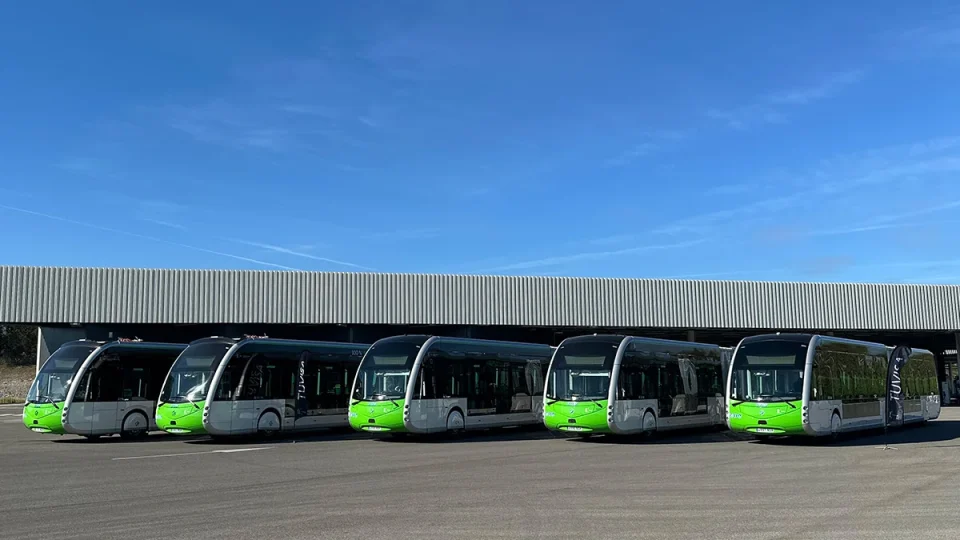
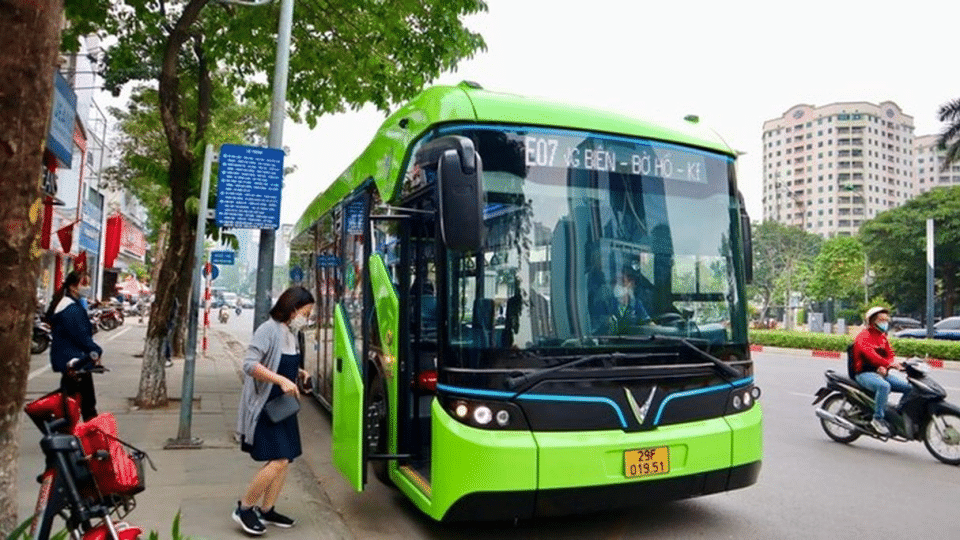
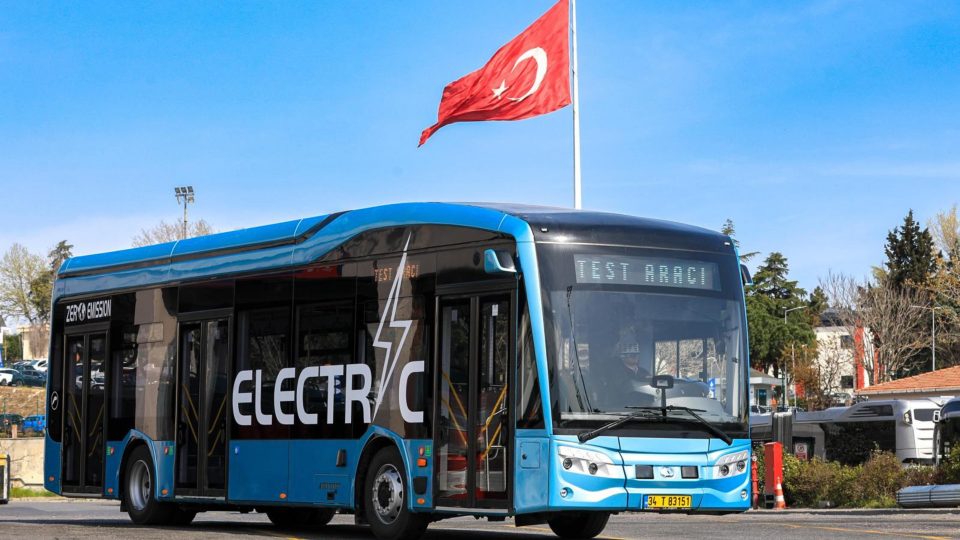
Lithuania’s capital Vilnius plans to purchase five full electric and 70 hybrid buses. These first electric Vilnius buses will reportedly join the urban fleet by 2020. Within a overall 38.5 millions euros plan, the capital city authorities also intend to buy 50 gas powered buses and 10 smaller diesel buses, as reported on The Baltic Course. […]

Lithuania’s capital Vilnius plans to purchase five full electric and 70 hybrid buses.
These first electric Vilnius buses will reportedly join the urban fleet by 2020. Within a overall 38.5 millions euros plan, the capital city authorities also intend to buy 50 gas powered buses and 10 smaller diesel buses, as reported on The Baltic Course.

A tender by the end of the year in Vilnius
A tender for the purchase of new buses for Vilnius public transport system will be announced by the end of this year.
The investment for the 135 new buses will be financed by leasing and from Vilniaus Viešasis Transportas (VTT) own investment funds. The municipality reportedly announced that after the fleet upgrade the oldest buses will be seven years old.
Last year Solaris Bus & Coach won a contract for the purchase of 150 diesel Euro VI buses in a 40.5 mln-euro deal funded by local bank Luminor. The buses (100 new Solaris Urbino 12 and 50 new generation Urbino 18) will be deployed by Vilnius viešasis transportas (VTT). 15.8 mln euros will be also paid for 21 Solaris trolleybuses, adds The Baltic Course.
Hybrids buses coming to Vilnius
The 38.5 millions euros investment represents the third phase of a project started last year.
“The first stage of the public transport revolution in Vilnius has been concluded, and it is already changing the habits of Vilnius people,” said Vilnius Mayor Remigijus Šimašius.
“After a very long time, public transport is again becoming very popular. The next important step for us now is to move towards hybrid and electric vehicles. This phase, and the decision to buy the first electric and hybrid buses for Vilnius is a logical step in assessing the current trends in public transport,” commented Rimantas Markauskas, the general director of Vilniaus Viešasis Transportas (VTT), which operates public transport in the Lithuanian capital. “Under the current plan, by 2020 we would have renewed the capital’s entire bus fleet, and no vehicles will be older than seven years. This represents a striking and qualitative change for us.”