New Flyer to supply further 100 Xcelsior hybrid and BEV buses to Washington Metro
The Washington Metropolitan Area Transit Authority (Metro) has exercised contract options for 100 transit buses from New Flyer. The order, confirmed on February 10, 2026 by New Flyer itself, includes 75 Xcelsior 40-foot hybrid-electric buses and 25 Xcelsior CHARGE NG 40-foot battery-electric buses. This procurement stems from a five-year contract established in 2025 and follows […]
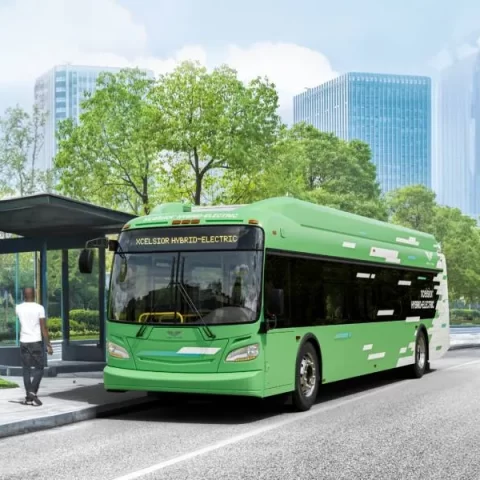
The Washington Metropolitan Area Transit Authority (Metro) has exercised contract options for 100 transit buses from New Flyer. The order, confirmed on February 10, 2026 by New Flyer itself, includes 75 Xcelsior 40-foot hybrid-electric buses and 25 Xcelsior CHARGE NG 40-foot battery-electric buses.
This procurement stems from a five-year contract established in 2025 and follows an initial base order of 100 hybrid units. The new vehicles will be fulfilled from New Flyer’s Q4 backlog, targeting the replacement of legacy assets within Metro’s 1,500-vehicle fleet.
Washington Metro turns to New Flyer buses
Metro’s selection of a hybrid-electric and battery-electric mix highlights a balanced approach to the region’s 2030-2045 zero-emission goals. The Xcelsior CHARGE NG models feature a simplified propulsion system that eliminates traditional transmissions and exhaust components. This shift is projected to reduce lifecycle maintenance costs by up to $140,000 per bus, the manufacturer says.
While the battery-electric units provide zero-emission service on urban routes, the hybrid-electric buses ensure range security across Metro’s expansive 1,500-square-mile service area in D.C., Maryland, and Virginia.
The purchase is supported by a combination of federal, state, and local funding, including grants from the Federal Transit Administration (FTA) Low or No Emission (Low-No) program. This federal backing is a cornerstone of Metro’s Strategic Transformation Plan, aimed at reducing regional greenhouse gas emissions while stabilizing per-mile operating expenses.
“New Flyer is committed to continuing our decades-long relationship with Metro, providing buses that deliver strong value, reliability, and performance,” said Chris Stoddart, President of North American Bus and Coach at NFI. “As Metro phases out aging buses, New Flyer’s Buy America-compliant, advanced hybrid and battery-electric vehicles will boost the efficiency, power, and overall service quality of its transit system while fueling good manufacturing jobs and economic opportunity across the United States.”
“These new hybrid and battery-electric buses allow us to replace aging vehicles, improve the customer experience, and continue modernizing our fleet while reducing emissions across the region,” said Randy Clarke, General Manager and CEO of Metro. “Partnering with New Flyer helps ensure we’re delivering safe, dependable service and demonstrating good financial stewardship.”