MCV delivers 35 hydrogen-electric intercity buses to ÖBB Postbus in Villach, Austria
MCV has delivered 35 hydrogen-electric C127 FC LE buses to ÖBB Postbus for deployment in regional transport services in Carinthia, Austria. The vehicles were officially handed over on 6 May 2026 in Villach alongside the inauguration of the first hydrogen refuelling station connected to the project. According to MCV, the fleet represents the largest hydrogen […]
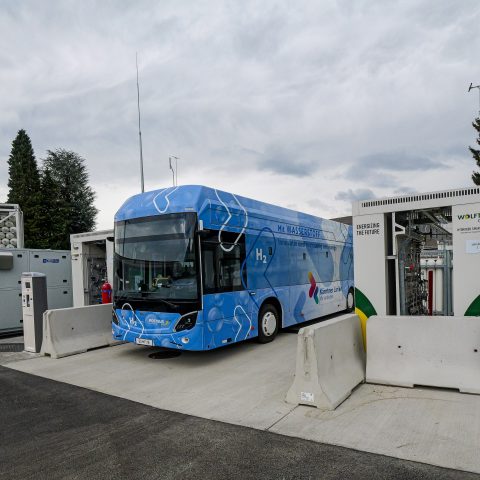
MCV has delivered 35 hydrogen-electric C127 FC LE buses to ÖBB Postbus for deployment in regional transport services in Carinthia, Austria.
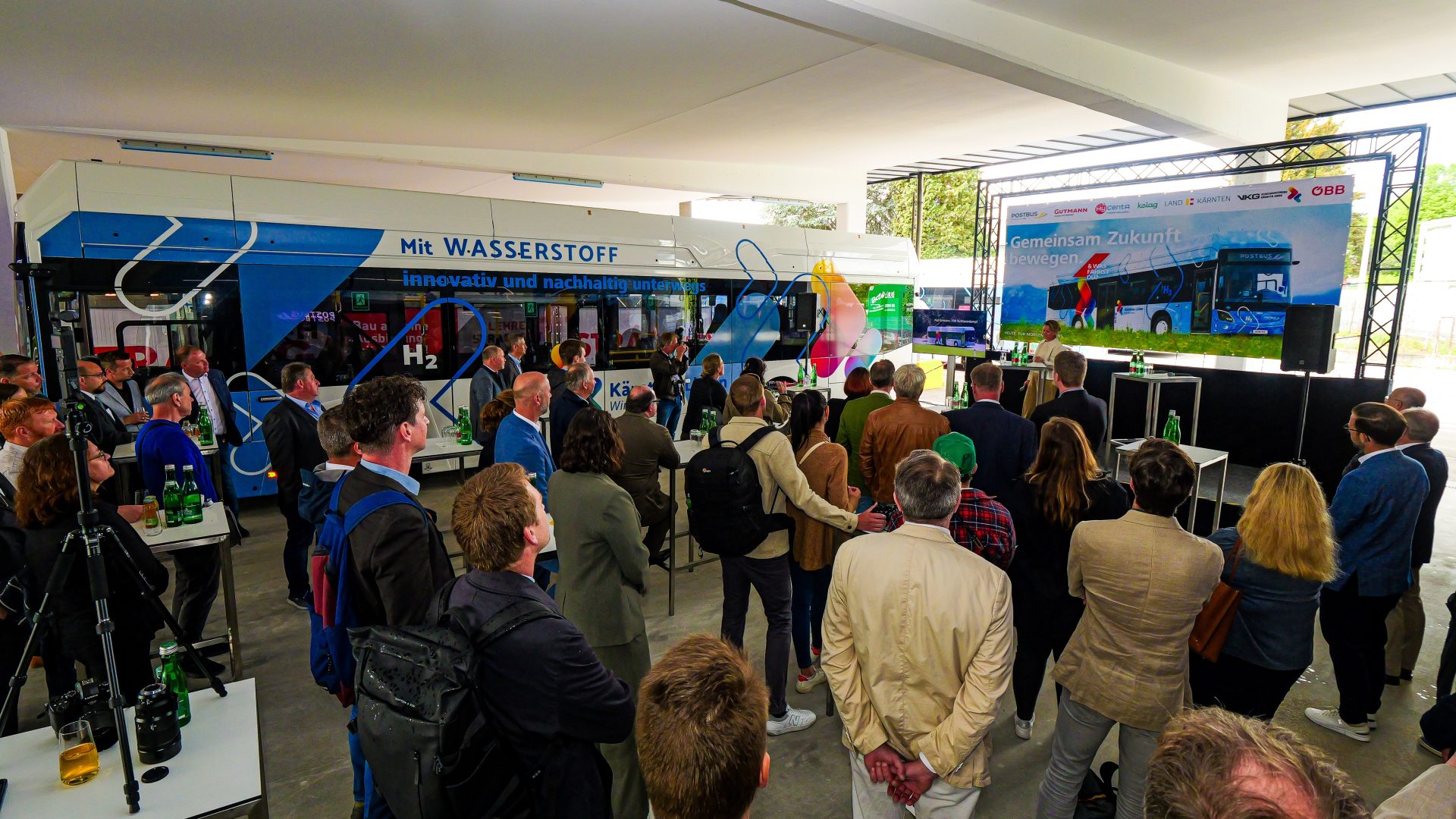
The vehicles were officially handed over on 6 May 2026 in Villach alongside the inauguration of the first hydrogen refuelling station connected to the project. According to MCV, the fleet represents the largest hydrogen bus deployment in Austria to date and will enter service starting in June.
The rollout is part of the “DeCarB – Decarbonising Carinthian Bus Transport” initiative promoted by the State of Carinthia and implemented together with a consortium including the Carinthian Transport Association, Gutmann, Kelag and ÖBB Postbus. The project combines the procurement of fuel cell buses with the development of dedicated hydrogen refuelling infrastructure for regional public transport operations.
The buses are expected to be integrated into regular service operations from June 2026.
MCV hydrogen buses for regional transport operations in Carinthia
The buses will operate on regional and intercity routes across several areas of Carinthia, including the Lower Drau Valley, the Lake Faak and Lake Ossiach regions, the Gegendtal and Rosental valleys, and the Wernberg area. According to the press note issued by MCV, the vehicles are designed for long-distance operations and demanding topography, with a declared range of up to 400 kilometres per refuelling cycle.
The delivered model is the MCV C127 FC LE, a low-entry hydrogen-electric bus presented at Busworld 2025 and developed for intercity transport applications. The vehicle combines a fuel cell propulsion system with a battery-electric drivetrain architecture. Technical specifications released by the manufacturer indicate the presence of a 117 kWh battery pack, a 100 kW fuel cell system and approximately 40 kilograms of onboard hydrogen storage.
MCV states that the configuration has been developed for operating conditions where charging infrastructure deployment may be difficult or where long operating ranges and short downtimes are required.
The buses supplied to ÖBB Postbus are configured with 41 passenger seats and capacity for 27 standing passengers. The model is also available with either 275/70 R22.5 or 295/80 R22.5 tyres.
“What we have achieved here together in a strong alliance in Carinthia is far more than a single fleet project: With the commissioning of 35 new hydrogen buses, we are demonstrating that emission-free mobility is ready for everyday use in regional transport. This project is an important milestone and a pioneering step for future projects in local public transport,” says ÖBB Postbus board member Alfred Loidl.
“We are extremely pleased that our hydrogen-electric concept for scheduled transport in challenging geography has convinced the management of Austrian Postbus and would like to take this opportunity to thank them very much for the trust they have placed in us,” said Pierre Dellori, Managing Director of MCV Deutschland