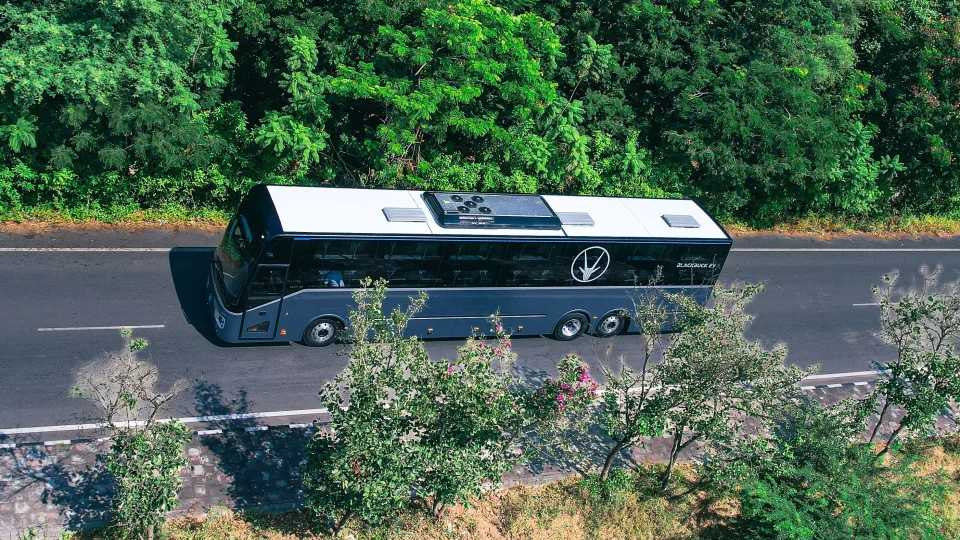
Transperth exceeds 200 electric buses in service as Bayswater depot in Perth (Australia) opens with 132-bus initial capacity
Perth’s largest electric bus depot has opened in Bayswater, Western Australia, with an initial charging capacity for 132 vehicles and provision for up to 180 buses in the longer term. The opening comes as Transperth has surpassed 200 locally manufactured electric buses in service, according to the Western Australian Government. The new facility is part […]
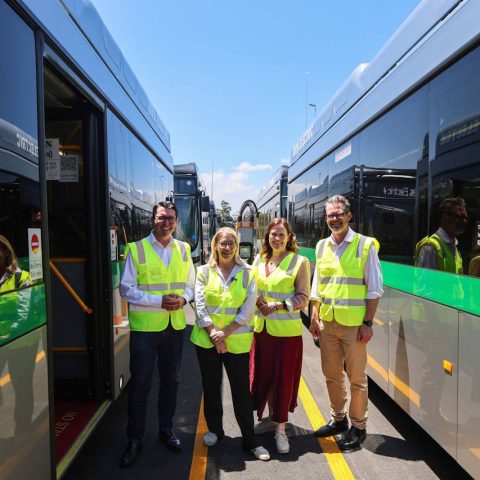
Perth’s largest electric bus depot has opened in Bayswater, Western Australia, with an initial charging capacity for 132 vehicles and provision for up to 180 buses in the longer term. The opening comes as Transperth has surpassed 200 locally manufactured electric buses in service, according to the Western Australian Government.
The new facility is part of a A$250 million joint investment by the Australian Federal Government and the Western Australian Government to progressively replace diesel buses and install electric bus charging infrastructure across Perth’s public transport network. The programme has so far delivered an initial 130 electric buses, together with associated charging infrastructure and depot upgrades.
Bayswater is the fourth location in the Transperth network to receive electric bus charging infrastructure, following Elizabeth Quay Bus Station and the Malaga and Karrinyup bus depots.
Bayswater electric bus depot equipped with 67 chargers
The upgraded Bayswater facility has been equipped with 65 dual electric bus chargers and two single chargers, providing charging positions for 132 buses. According to the Western Australian Government, 20 electric buses are currently operating from the depot, which has been designed to accommodate up to 180 vehicles in the longer term.
The redevelopment has also included the construction of a new administration building, workshop and wash bay, alongside a redesigned depot yard, dedicated bus and staff parking areas, landscaping, security fencing, line marking and associated site infrastructure.
The Bayswater project forms part of the wider electrification programme supported by the A$250 million federal and state funding package, which covers both vehicle procurement and the adaptation of existing operating facilities.
More than 200 locally manufactured electric buses
The opening of the Bayswater depot coincides with Transperth reaching more than 200 electric buses delivered and in service, with all vehicles manufactured locally in Malaga, Western Australia.
According to the state government, the final diesel bus for Transperth was manufactured more than a year ago. Since then, every newly built vehicle added to the network has been electric.
The manufacturing programme is included in the Western Australian Government’s Made in WA industrial policy, which covers local production and employment.
Among the vehicles delivered is Australia’s first locally manufactured articulated electric bus, which entered passenger service on 2 November. A second articulated electric bus is scheduled to begin passenger operations from the Karrinyup depot in the following weeks.
According to State Member for Bayswater Dan Bull, locally manufactured electric buses are entering service at a rate of approximately 11 vehicles per month.
Further infrastructure works are underway at the Jandakot bus depot, where electrical connection works have been completed and charger installation is in progress.
The project includes 41 dual chargers, providing capacity for 82 electric buses. The charging network will be progressively commissioned, with all chargers expected to be operational by mid-2027, according to the Western Australian Government.
Planning is also underway for additional electric bus infrastructure upgrades at the Welshpool, Joondalup and Claisebrook depots.
The Bayswater, Jandakot and other depot projects are included in the government programme to progressively electrify Transperth’s bus operations, alongside the continuing introduction of locally manufactured battery-electric vehicles.
In brief
- What is the capacity of Perth’s new Bayswater electric bus depot?
The depot has charging positions for 132 electric buses and a long-term capacity of 180 vehicles. - How many electric buses are operating in Perth?
More than 200 locally manufactured electric buses have entered service in the Transperth network. - How much funding has been allocated to Perth’s electric bus programme?
The Australian and Western Australian governments have committed A$250 million to electric buses and associated infrastructure. - When will the Jandakot electric bus depot be operational?
All 41 dual chargers are expected to be operational by mid-2027, providing capacity for 82 buses.