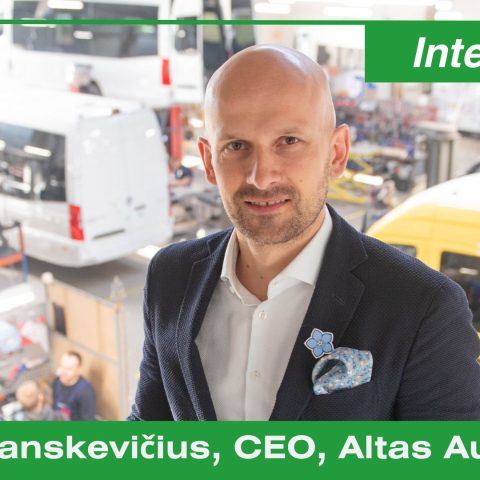
Altas Auto’s 2026 roadmap: diversification, growth and a new wave of e-bus demand. Our interview with CEO Ignas Pranskevičius
From growth and capacity expansion to diversification, electrification and the arrival of new competitors from Asia, Altas Auto enters 2026 with several strategic fronts open at once. After a stronger 2025 — supported by its core Mercedes and MAN conversion business and new deliveries of imported buses — the Lithuanian manufacturer is also reshaping its […]
From growth and capacity expansion to diversification, electrification and the arrival of new competitors from Asia, Altas Auto enters 2026 with several strategic fronts open at once. After a stronger 2025 — supported by its core Mercedes and MAN conversion business and new deliveries of imported buses — the Lithuanian manufacturer is also reshaping its organization, launching the new trading entity Altas Trade and preparing the next step of its electric roadmap with the upcoming e-Sprinter.
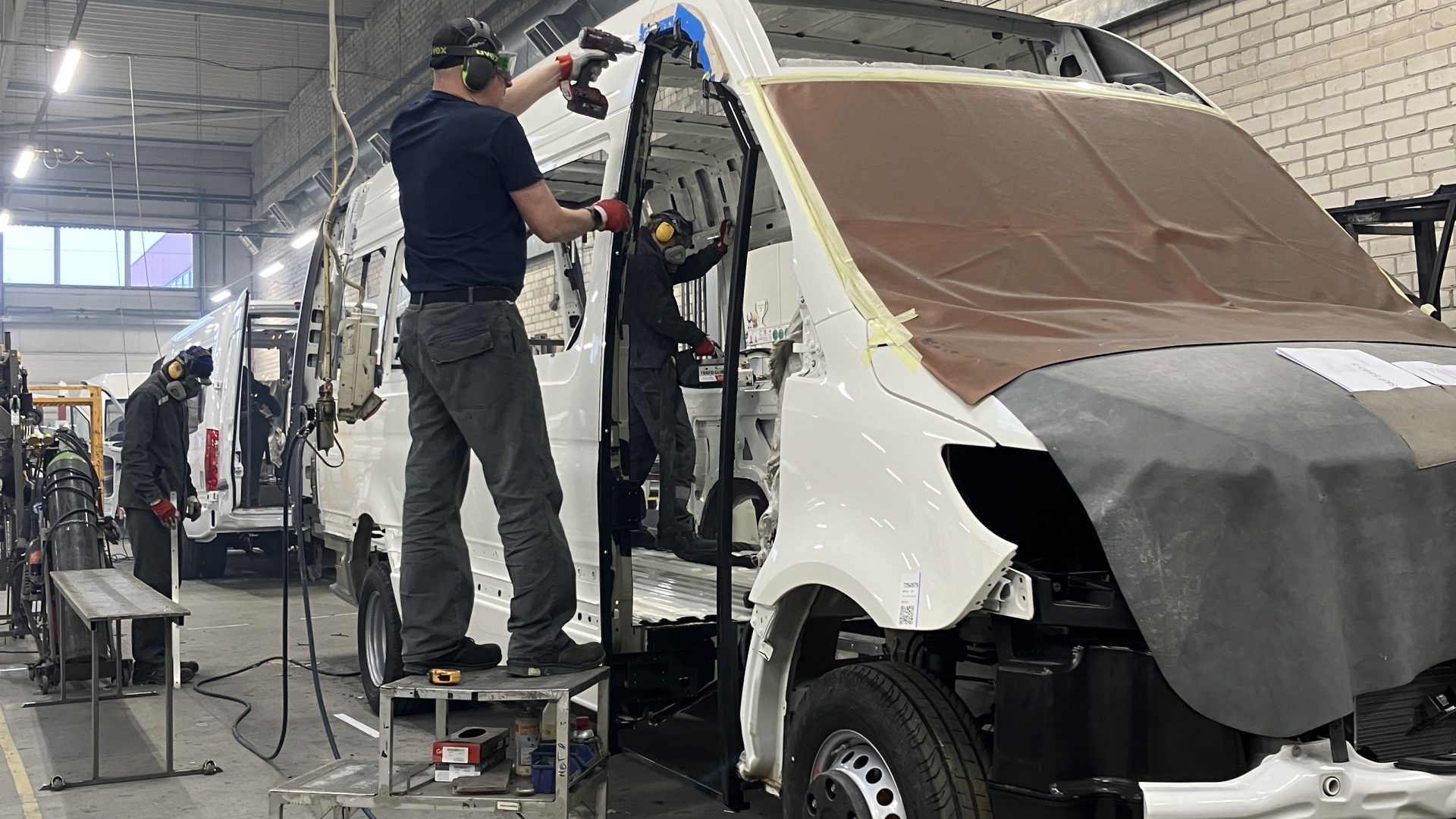
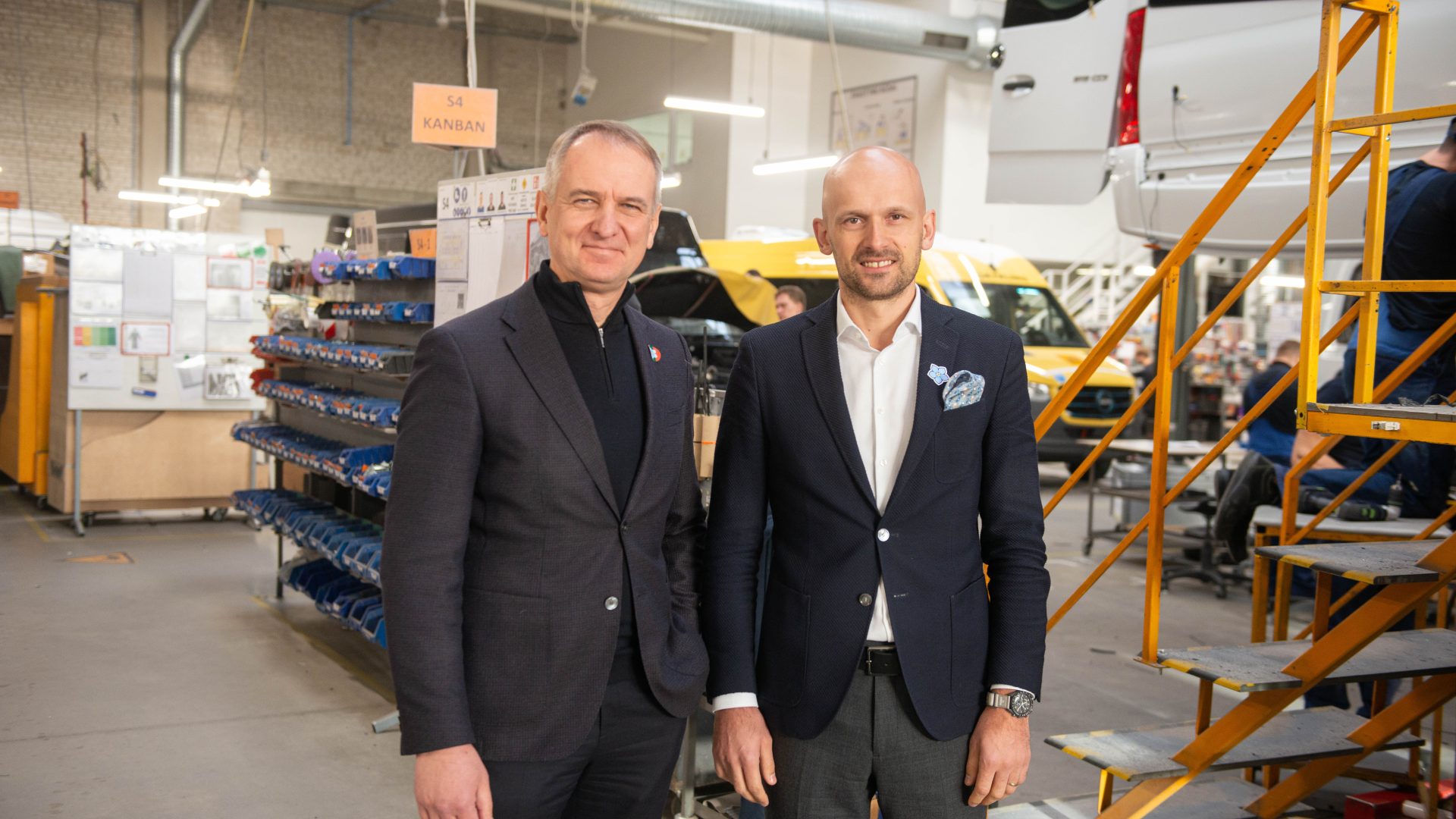
We had the opportunity to visit Altas Auto’s headquarters and production facilities in Vilnius in December 2025, gaining first-hand insight into a fast-paced industrial setup and a company in the middle of a clear transition.
In the following interview, CEO Ignas Pranskevičius, who took over leadership in January 2025, outlines how Altas performed over the past year, what the group restructuring means in practice, and how the company is positioning itself for the next phase of the European minibus market — between subsidies returning, electrification accelerating and competition intensifying.
Ignas Pranskevičius: Altas’ performances at a glance
Looking at the overall picture of 2025, how has Altas Auto performed compared to the previous year? What trends have you seen, and how did revenues, sales and order intake evolve?
2025 has been better than the previous year. We expanded our business developing buses’ import from China business, and we sold around 90 such buses. We are developing this business line on separate company named Altas Trade. At the same time, our core business continues: we sold close to 800 buses through Mercedes and MAN conversions. Overall, revenues and EBITDA clearly improved. Growth came from different directions.
Which ones?
We increased the number of buses sold through a new business, but we also grew as a company and as a team. For me, this is particularly important, as I joined Altas Auto in January 2025. The whole year was about understanding the business and stepping into the general manager role. Altas has successfully renewed itself: the team is new, energetic, and ready for the next phase. Looking ahead, we expect organic growth. We are not planning acquisitions or major changes to the business model. Instead, next year we will focus on efficiency and expanding the second production line, increasing capacity and production space.
I believe next year will also be better for electric buses. 2025 was relatively quiet in Europe, but subsidies are coming back. I am also looking forward to the impact of our upcoming e-Sprinter in this segment.
The market is extremely sensitive to any news about zero-emission targets, city deadlines and subsidies. Coming from ten years in the electricity sector, I strongly believe in electrification. We have already reached a point of no return: sooner or later this wave will grow, and the transition to electric buses will happen. This year was relatively calm in markets such as Germany and France, but looking at orders for next year, we see signs of a new wave. Cities are once again considering electric buses for urban routes and large tenders, without returning to diesel. The upcoming e-Sprinter also has strong potential, especially in certain markets.
Ignas Pranskevičius, CEO, Altas Auto
Atlas Trade: a diversification strategy
Altas Trade is a new entity. When was it founded, how does it work, and what are its goals?
Altas Auto started working with a new partner from China about three years ago. It took time to deliver the first results, which happened only this year with the first buses delivered to Denmark, Italy, Germany and the Baltic states. We used this initial phase to understand how the model works and where synergies exist with our existing business.
During 2025 we introduced corporate structure changes by creating a group structure. Altas Auto became a subsidiary of Altas Group, while Altas Trade was established as another subsidiary and therefore a sister company of Altas Auto. From January 1st 2026, all new orders related to new ventures will be placed through Altas Trade, which is dedicated to trading, importing new buses and developing additional business opportunities in the bus sector.
Will Altas Trade be managed by the same team as Altas Auto?
Yes, it will be managed by the same team, with the same approach to quality, customer relationships and aftersales.
Will Altas Trade operate in all markets where Altas Auto is present, or will it focus on specific regions?
Altas Trade will focus on large buses across Europe. Altas Auto will remain focused on its core business, particularly conversions, which continue to be our first and most important activity.
Electrification of minibus market
Your appointment as CEO marks a shift from founder-led management to an external CEO. What does this change mean for the company?
The group’s priorities remain unchanged. However, this is a significant change for the organization. The founder led the company for 23 years, and this is the first time someone else has taken on the CEO role. This naturally brings a different way of managing and thinking. My main task is to strengthen the C-level team and empower them to make decisions. The goal is to build a company that works and grows sustainably and independently.
Electrification has experienced fluctuations in recent years. How do you see the market today and next year, and what role do subsidies play?
The market is extremely sensitive to any news about zero-emission targets, city deadlines and subsidies. Coming from ten years in the electricity sector, I strongly believe in electrification. We have already reached a point of no return: sooner or later this wave will grow, and the transition to electric buses will happen.
2025 was relatively calm in markets such as Germany and France, but looking at orders for next year, we see signs of a new wave. Cities are once again considering electric buses for urban routes and large tenders, without returning to diesel. The upcoming e-Sprinter also has strong potential, especially in certain markets.
During 2025 we introduced corporate structure changes by creating a group structure. Altas Auto became a subsidiary of Altas Group, while Altas Trade was established as another subsidiary and therefore a sister company of Altas Auto. From January 1st 2026, all new orders related to new ventures will be placed through Altas Trade, which is dedicated to trading, importing new buses and developing additional business opportunities in the bus sector.
Ignas Pranskevičius, CEO, Altas Auto
Asia, competition and the e-Sprinter coming!
Competition in this sector is intense, with many models and new entrants from Asia. How can a European manufacturer position itself in this environment?
We see ourselves as quite bold. We decided to manufacture our own Altas Novus and enter the market directly. Sometimes we describe ourselves as a niche player, and it is not an easy position. At Busworld, it was clear that not everyone is fully committed to electrification yet. Still, we believe in our vision: sooner or later, the minibus sector will also transition to electric.
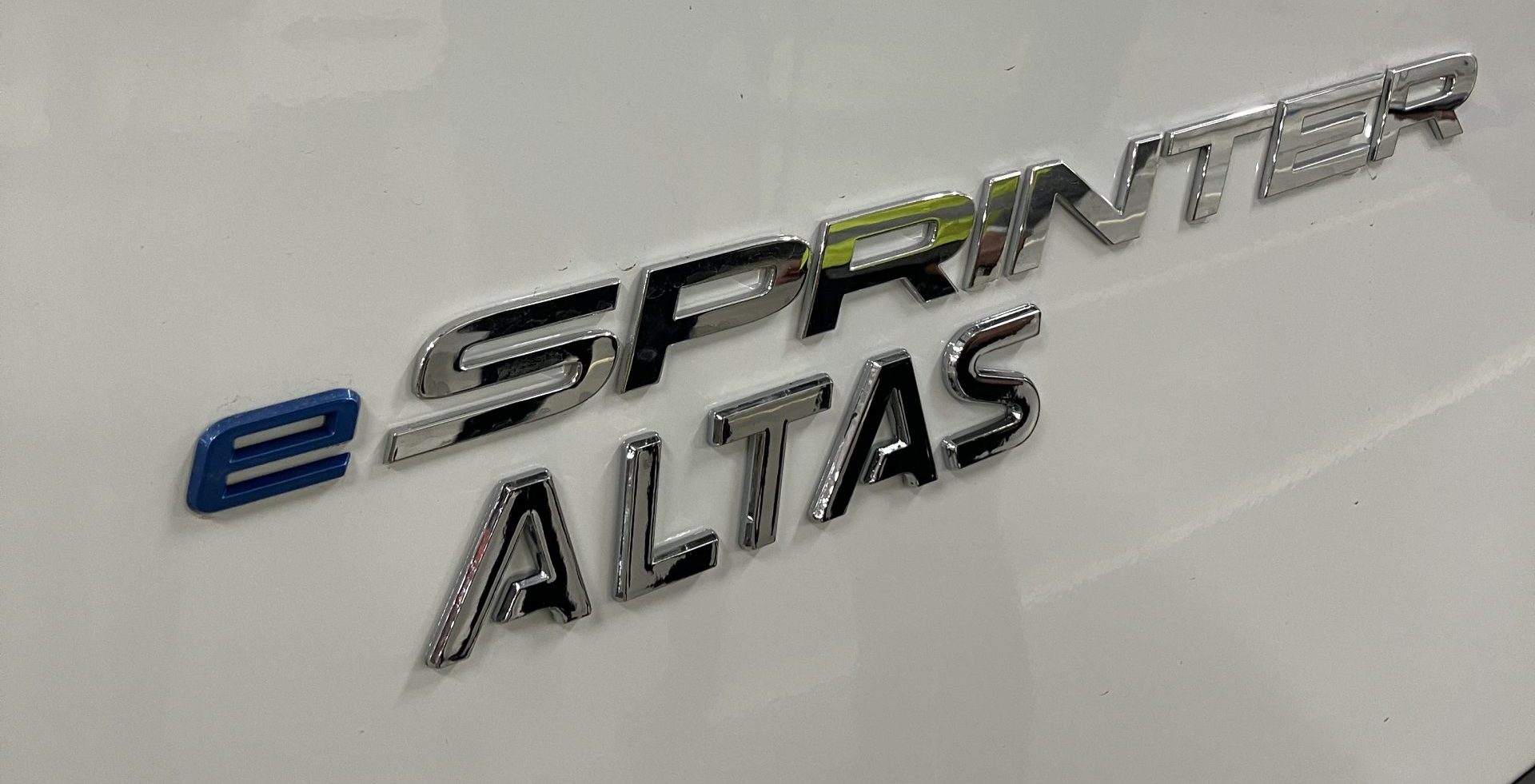
You are preparing the launch of the e-Sprinter. Can you outline the roadmap for this product?
We have not officially launched it yet. As seen in our production line, we are still working on the R&D side. Our goal is to create the best possible product and launch it at the beginning of 2026. We see strong potential, especially in Scandinavian markets and across Europe. More details will be shared at the start of next year.
Italy is currently your fifth-largest market. Could it become more important in the coming years?
Yes, I believe so. We have achieved very good results recently, thanks to a strong local dealer. Our relationship has significant potential to grow further. Although Italy is currently our fifth market, that reflects only this year’s picture. We started cooperating there in 2021, and since then our volumes have been increasing steadily, by about 30 vehicles per year. At this pace, Italy could become among our leading markets by 2030.