New follow-up order of Ballard fuel cell modules (50 units) for Wrightbus
Another follow-up order of Ballard fuel cell modules for Northern Ireland-based bus builder Wrightbus. After the 15 units commissioned in June 2020 (for a total of 50), now the Canadian provider Ballard Power Systems has announced that it has received another purchase orders from Wrightbus for a total of 50 fuel cell modules to power fuel cell […]
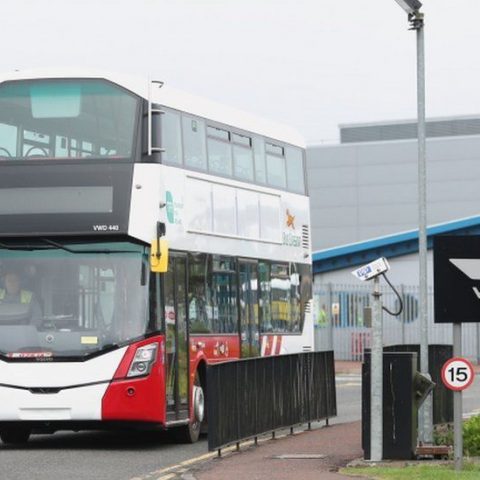
Another follow-up order of Ballard fuel cell modules for Northern Ireland-based bus builder Wrightbus. After the 15 units commissioned in June 2020 (for a total of 50), now the Canadian provider Ballard Power Systems has announced that it has received another purchase orders from Wrightbus for a total of 50 fuel cell modules to power fuel cell busvehicles planned for deployment in a number of UK cities. The buses will be partially funded under the JIVE (Joint Initiative For Hydrogen Vehicles Across Europe) program.
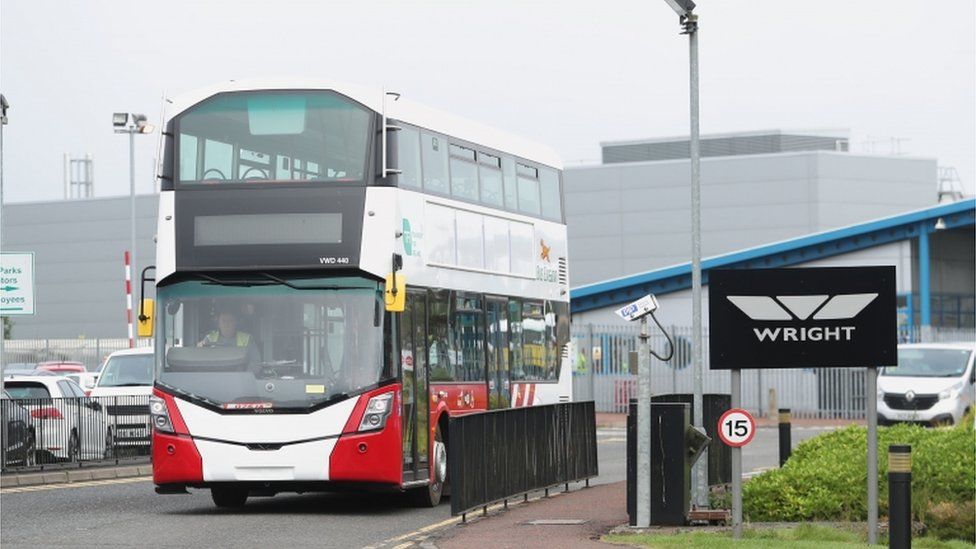
Ballard fuel cell modules for Wrightbus
The orders for the 50 fuel cell modules are incremental to the previous orders for a total of 50 modules, with «all 50 of those modules having shipped in 2020. Of the additional 50 modules announced now, 4 were shipped in 2020. All of these additional modules will power buses planned for deployment in a number of U.K. cities, including Birmingham, Aberdeen, London and Belfast», Ballard points out in a press note.
The JIVE program provides partial funding for a total of 295 Fuel Cell Electric Buses, of which 120 are currently operating in the U.K., Germany, France, Latvia, and The Netherlands. The remaining 175 FCEBs are expected to be deployed in various European cities by mid-2022, Ballard says. Ballard is supplying fuel cell modules for more than 85% of the FCEBs deployed and ordered to date under the JIVE program.
Rob Campbell, Ballard Chief Commercial Operator said, “The orders announced from Wrightbus for 50 fuel cell modules, in combination with the 50 modules noted in June 2020, underpins the value we place on our long-standing partnership with Wrightbus. The Fuel Cell Electric Bus market is now gaining momentum and is expected to continue on an aggressive growth path in Europe and globally. Ballard intends to continue leading with proven and reliable fuel cell products that offer superior total cost of ownership for bus fleet operators along with the benefits of fuel cell buses that deliver route flexibility, rapid refueling and long range zero-emission performance.”