Austrian carrier Blaguss introduces 12 Yutong electric coaches alongside fleet-wide solar rollout
Austrian transport operator Blaguss has introduced 12 battery-electric coaches alongside ongoing investments in energy infrastructure and solar integration. The Austrian company is expanding its “Way to Zero” programme, combining the deployment of electric buses across multiple service segments with the development of charging infrastructure and in-house energy production systems. This expansion follows a six-month pilot […]
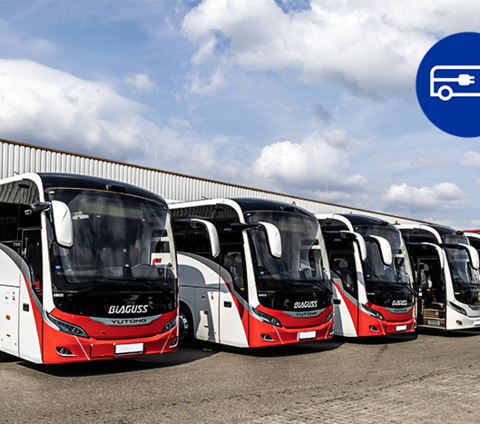
Austrian transport operator Blaguss has introduced 12 battery-electric coaches alongside ongoing investments in energy infrastructure and solar integration.
The Austrian company is expanding its “Way to Zero” programme, combining the deployment of electric buses across multiple service segments with the development of charging infrastructure and in-house energy production systems. This expansion follows a six-month pilot project on vehicle-mounted solar systems, reporting annual diesel savings per bus between 1,616 and 2,052 litres and CO₂ reductions ranging from 4.3 to 5.5 tonnes, with an estimated payback period of around 18 months.
Blaguss launches electric coaches
Blaguss has progressively introduced electric buses into its operations, starting with deployments in regional public transport services in Lower Austria and Burgenland at the end of 2024. In spring 2025, the company added electric hop-on/hop-off buses for tourist services in Vienna.
In 2026, the company extended electrification to long-distance and coach operations with the introduction of battery-electric vehicles. The latest addition to the fleet consists of 12 Yutong T12E coaches, marking the entry of electric propulsion into the company’s travel and long-distance segment. These vehicles form part of a broader rollout phase that began in the first quarter of 2026, initially covering 50 buses across both diesel and electric fleets. The same model is analyzed in a comparison article on our latest February 2026 issue of Sustainable Bus magazine.
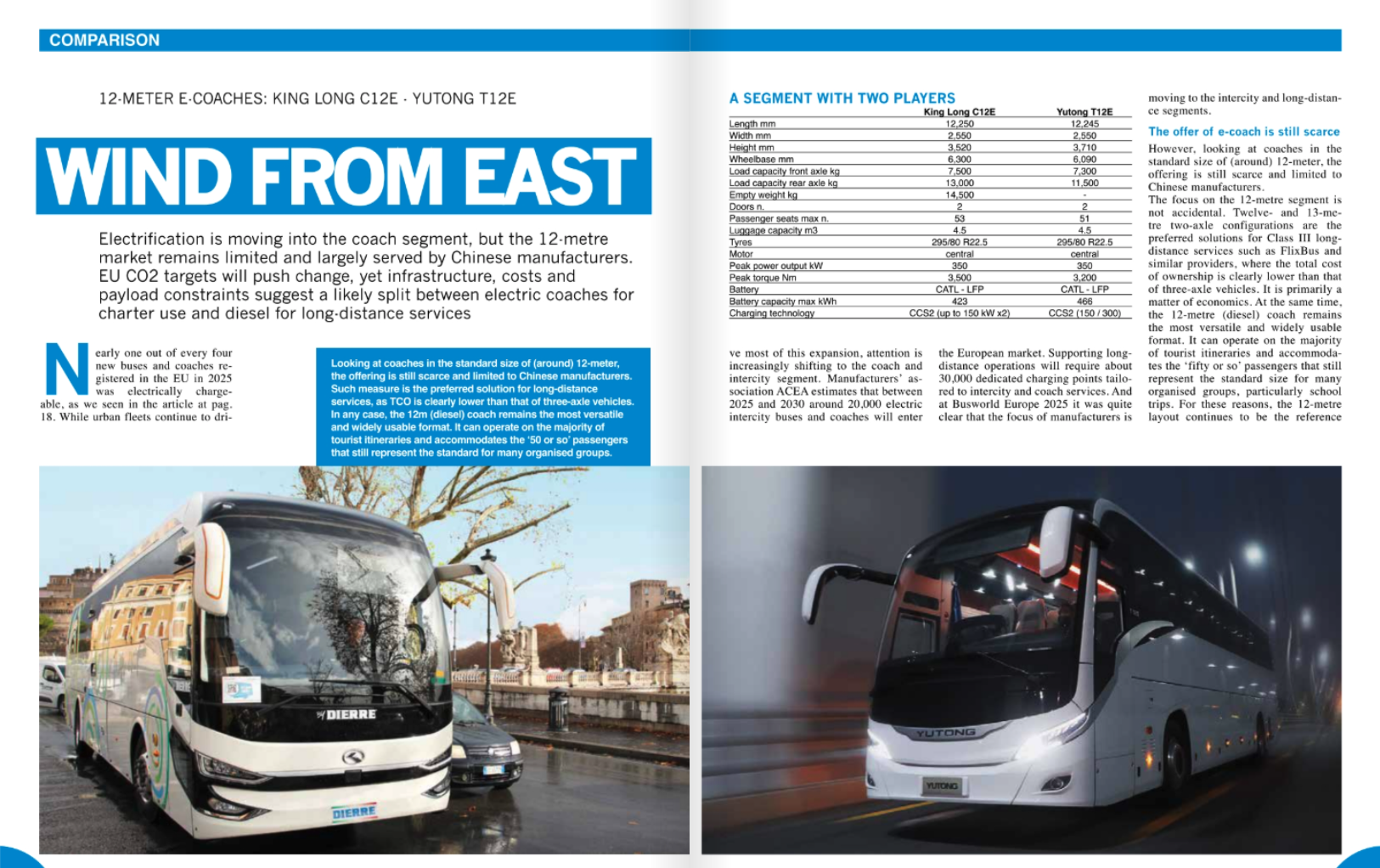
The Yutong T12E model is specified with a battery capacity of 466 kWh and a stated range of up to 500 kilometres. The vehicles are also equipped with rooftop solar panels designed to support onboard energy systems and contribute to overall efficiency. The same model has been deployed within the pilot phase, which included 17 buses operating across regional and long-distance services over a six-month period.
Solar integration and fleet efficiency measures
In parallel with the deployment of electric vehicles, Blaguss is implementing solar technology across its fleet in cooperation with partner Green Energy. The company is equipping buses with rooftop photovoltaic panels designed to generate between 500 and 600 kWh of energy annually, feeding directly into onboard systems. The rollout follows pilot testing of different solar system sizes across 17 vehicles to assess operational performance under varying conditions.
The integration of solar panels is applied not only to electric buses but also to conventional vehicles, with the aim of improving operational efficiency. Reported effects include reduced demand for external charging, stabilisation of the 24-volt system, and potential extension of battery life. Vehicle-mounted solar systems are deployed across diesel, HVO, biogas and battery-electric platforms, with energy generated used directly by onboard systems regardless of propulsion type.
Charging infrastructure and energy systems
Blaguss is also investing in charging infrastructure, photovoltaic installations, energy storage and energy management systems. These elements are being developed as part of an integrated approach to support electric bus operations.
Photovoltaic systems have been expanded at the company’s main site in Vienna and at the Vösendorf location, supplying energy to additional sites including the long-distance bus terminal as well as operations in Mattersburg and Oberpullendorf. Surplus energy is fed into the public grid.
The company states that these investments are aimed at strengthening internal energy supply and supporting the operation of electric buses through locally generated electricity. The fleet-wide solar deployment is being implemented following the pilot results, with the company committing to extend installations across its entire fleet of approximately 800 vehicles.
The project is co-financed by national and European funding programmes, including BMIMI, the European Union and FFG.
“The pilot project delivered clear fuel savings and CO₂ reductions aligned with our corporate objectives. Based on this, the decision was clear: we are now rolling out Green Energy solar systems across our entire fleet as quickly and comprehensively as possible,” said Paul Blaguss, Managing Director of Blaguss Group.
“Operators serious about decarbonisation are finding that solar fits every stage of the transition. The diesel savings are proven and compelling. Now Blaguss is moving forward with solar installation on its new electric bus fleet,” said Martin Thaysen, CEO of Green Energy Group.