E-buses and shelters for Bergamo e-BRT system unveiled as works exceed 80 percent
The e-BRT project in Bergamo is entering an advanced phase with the presentation of the first operational elements of the system and infrastructure works reaching 82% completion. The initiative involves the implementation of a fully electric bus rapid transit system connecting Bergamo railway station with surrounding municipalities in the western metropolitan corridor, including Dalmine and […]
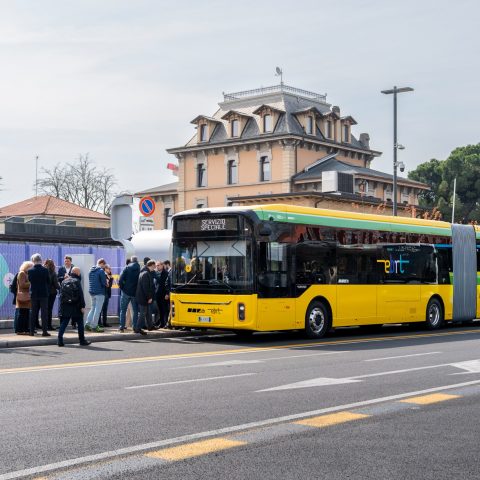
The e-BRT project in Bergamo is entering an advanced phase with the presentation of the first operational elements of the system and infrastructure works reaching 82% completion.
The initiative involves the implementation of a fully electric bus rapid transit system connecting Bergamo railway station with surrounding municipalities in the western metropolitan corridor, including Dalmine and Verdellino. An update on the project’s progress was presented today.
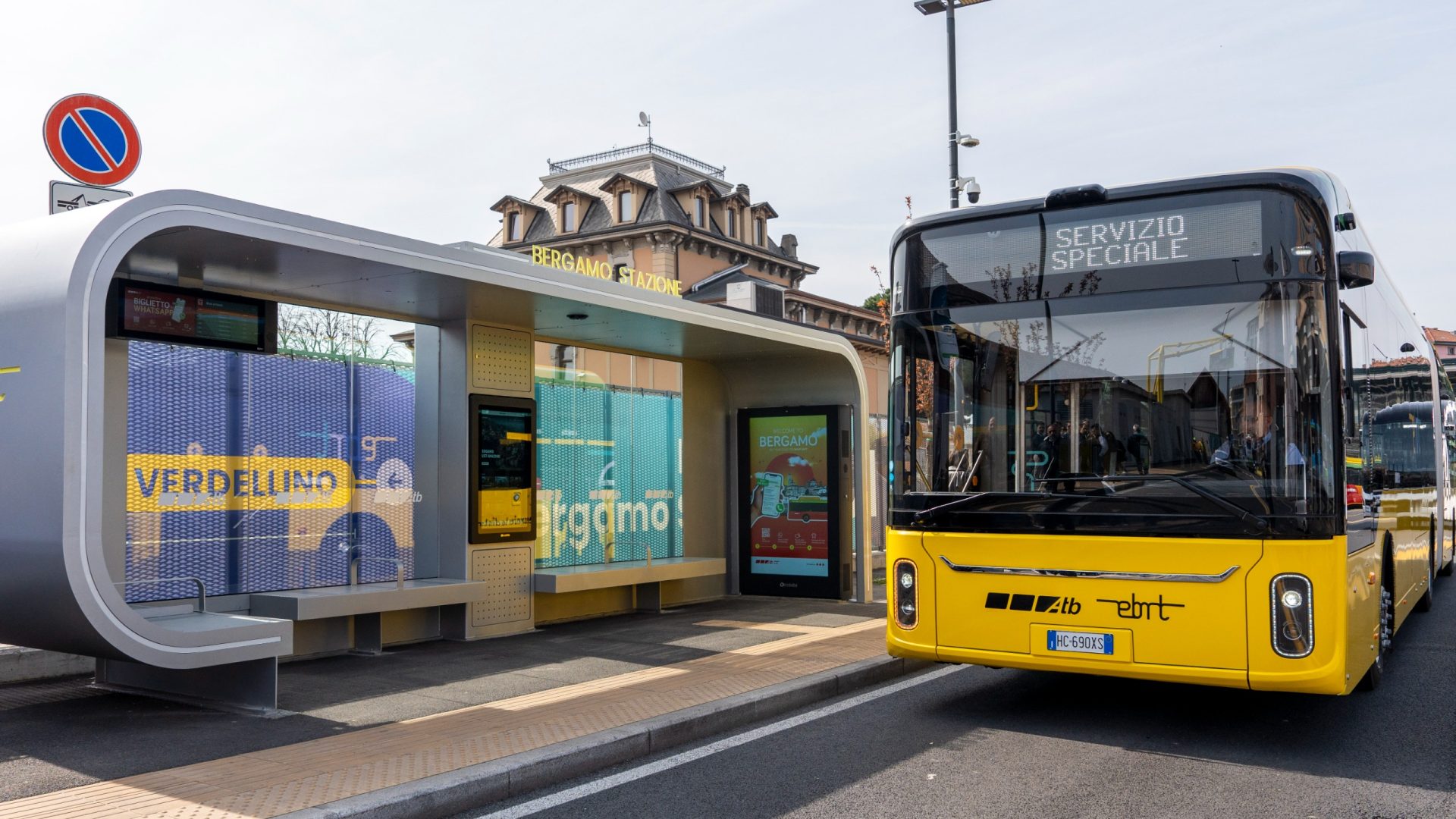
Articulated electric fleet (by Yutong) and charging systems
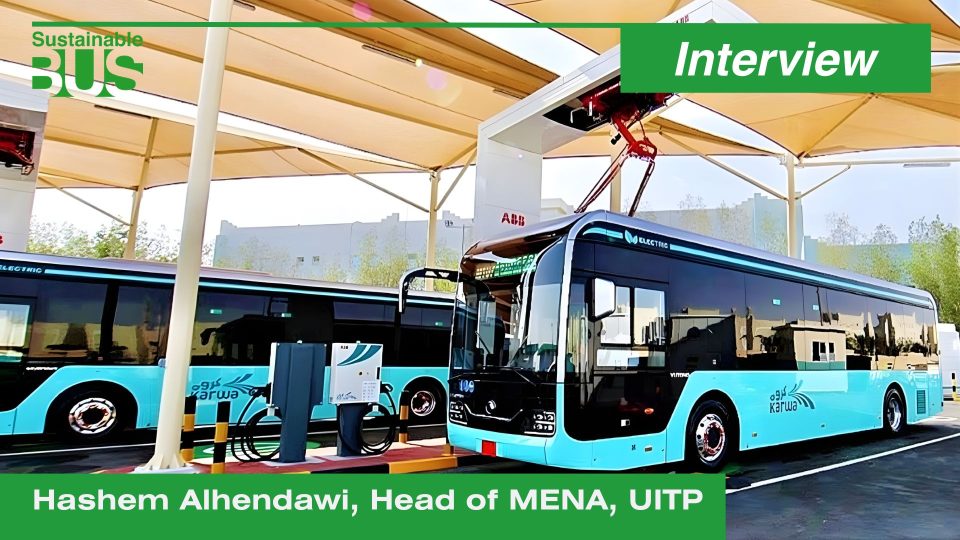
The system will rely on a dedicated fleet of 15 articulated 18-metre battery-electric buses, model Yutong U18, each equipped with a total battery capacity of 528 kWh. Each vehicle can accommodate up to 128 passengers, including 38 seated and 90 standing, and features two dedicated spaces for passengers with reduced mobility, a fully low-floor layout, and four access doors.
The interior layout includes a dedicated colour scheme, with blue seats reserved for priority passengers, and USB-C charging ports available at each seat. The first vehicle was delivered in March, with the full fleet expected in the coming weeks.
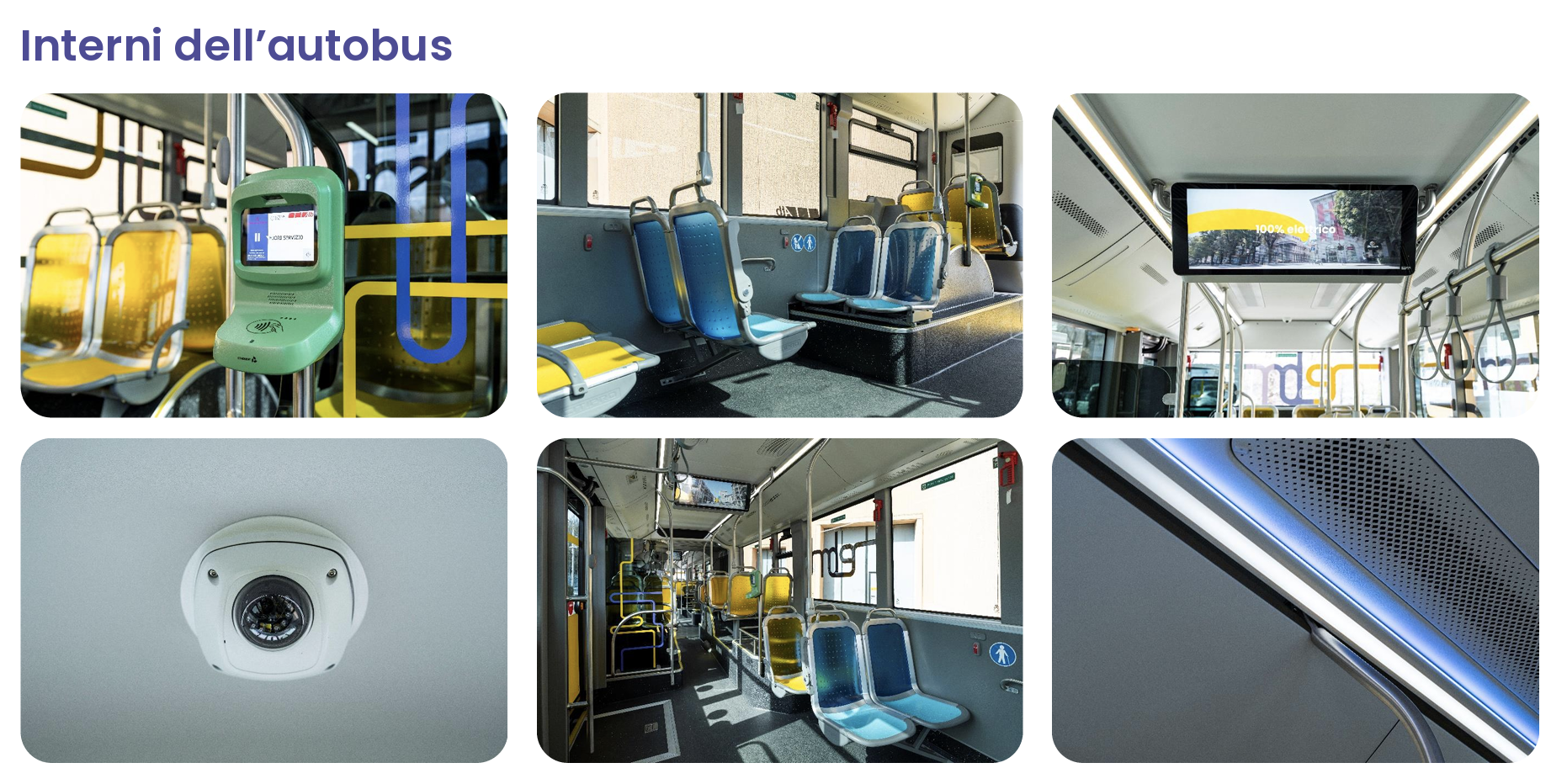
From a technological perspective, the buses are equipped with digital vision systems replacing traditional rear-view mirrors, along with real-time monitoring platforms. Integration between vehicles, shelters, and the control centre is enabled through an AVM system supporting fleet localisation and operations management. On-board technologies and fittings are developed in Italy.
The charging concept includes 600 kW pantograph-based opportunity charging at terminals and depot, alongside overnight charging at 100 kW through ceiling-mounted roll-up cable systems installed in depots, as stated by ATB.
The route extends for approximately 30 km (round trip), linking Bergamo station with the southwestern part of the metropolitan area. The system includes 36 stops in total, evenly distributed in both directions, serving multiple municipalities along the corridor.
Infrastructure works have included, among the main interventions, the full piping of a canal along the SP525 road. Overall project completion has reached 82% in line with the planned schedule, the operator states.
Technological bus shelters for Bergamo
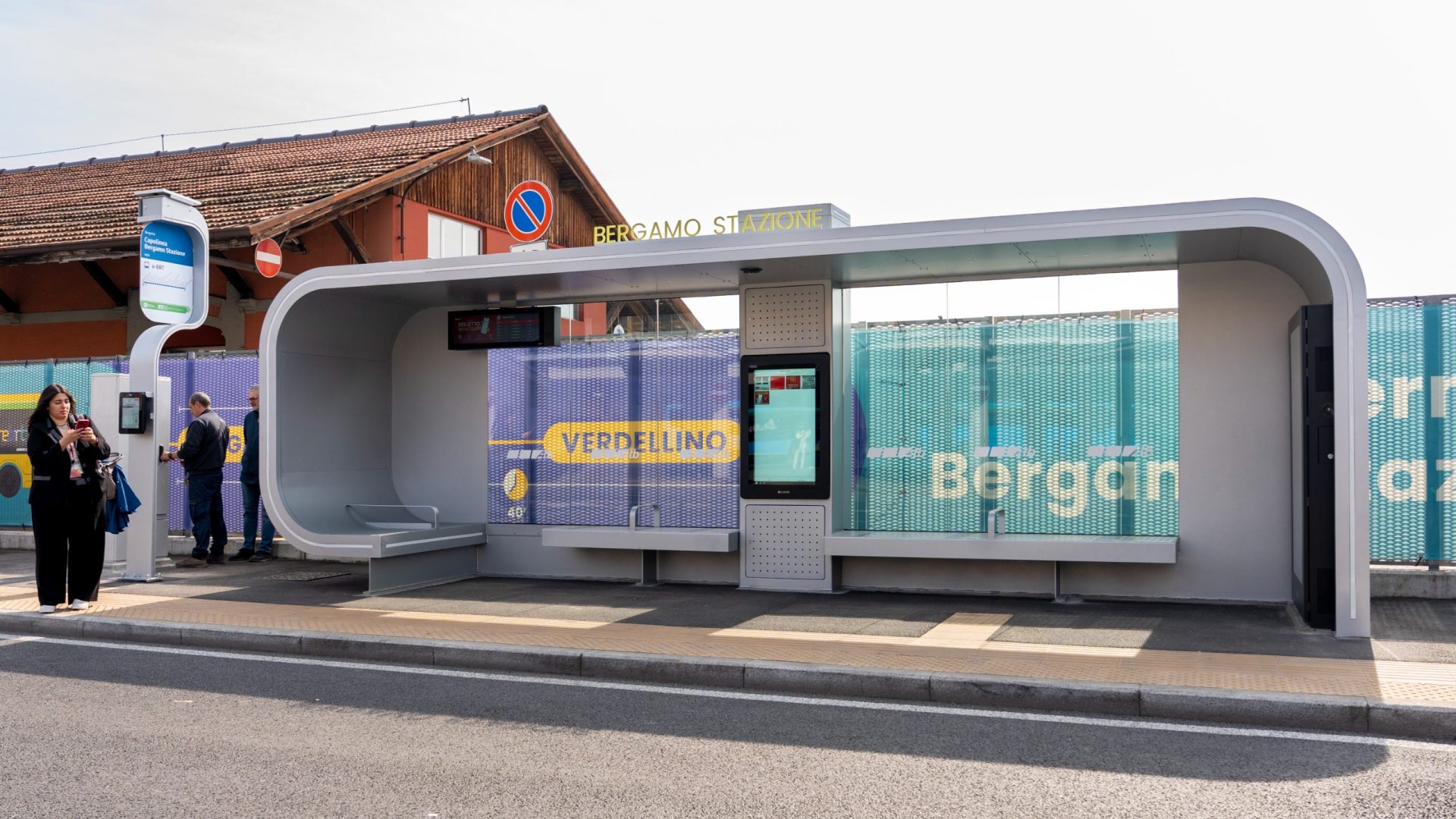
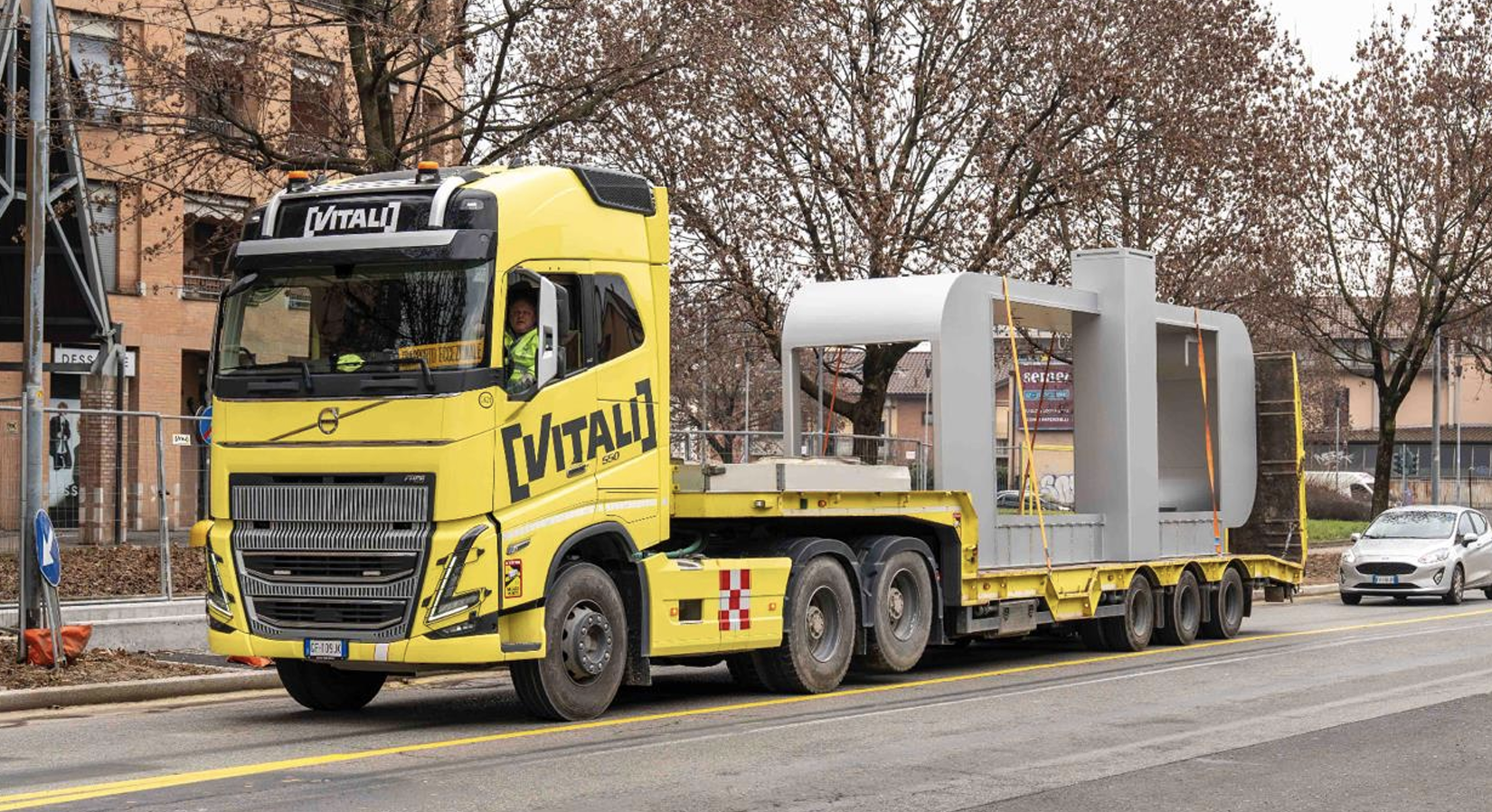
Stops have been designed in three structural typologies (A, B, and C), with configurations varying according to available space and expected passenger flows. The system includes 25 shelters in total, of which 19 have already been installed, along with 11 stops equipped with smart poles.
The shelters are manufactured by Vitali S.p.A., with processes including assembly, hot-dip galvanisation, installation of systems, and on-site mounting. After installation, an additional three weeks are required for completion, including glazing, electrical systems, and information devices.
Type A and B shelters will feature 49-inch touchscreen displays, double-sided screens for communication, and TFT displays providing real-time service information. Type C shelters will offer similar features adapted to smaller footprints.
All stops will be equipped with digital poles powered by photovoltaic panels and using e-INK technology, providing real-time updates on bus arrivals, schedules, and service changes. Audio announcements are also included for accessibility. The system integrates 24/7 video surveillance and centralised monitoring of electrical systems.
Passenger information systems will display waiting times, served lines, and service messages in real time.
Infrastructure integration and project status
The project is designed as a fully electric system from the outset, integrating infrastructure, vehicles, and digital platforms. Ongoing works concern the final stages of civil engineering and stop installation, with testing activities scheduled in the coming months.
The delivery of vehicles and shelters is proceeding according to the planned timeline, the transport operator states.