Go-Ahead launches two engineering academies in London and Greater Manchester to accelerate rollout of zero-emission technology
Go-Ahead Group announces it has made “a multi-million-pound investment in engineering to create a clearer career pathway for emerging talent, increase the skills and knowledge of our engineering teams, and better prepare them for an accelerated rollout of zero-emission technology“. The investment aims at developing the skills of Go-Ahead’s 900 engineers across the UK & […]

Go-Ahead Group announces it has made “a multi-million-pound investment in engineering to create a clearer career pathway for emerging talent, increase the skills and knowledge of our engineering teams, and better prepare them for an accelerated rollout of zero-emission technology“.
The investment aims at developing the skills of Go-Ahead’s 900 engineers across the UK & Ireland and is part of Go-Ahead’s commitment to have a fully zero-emission fleet by 2035. Within this investment, two new engineering academies in London and Greater Manchester will support the apprenticeship programme and host training for current engineers.
Go-Ahead launches two new engineering academies
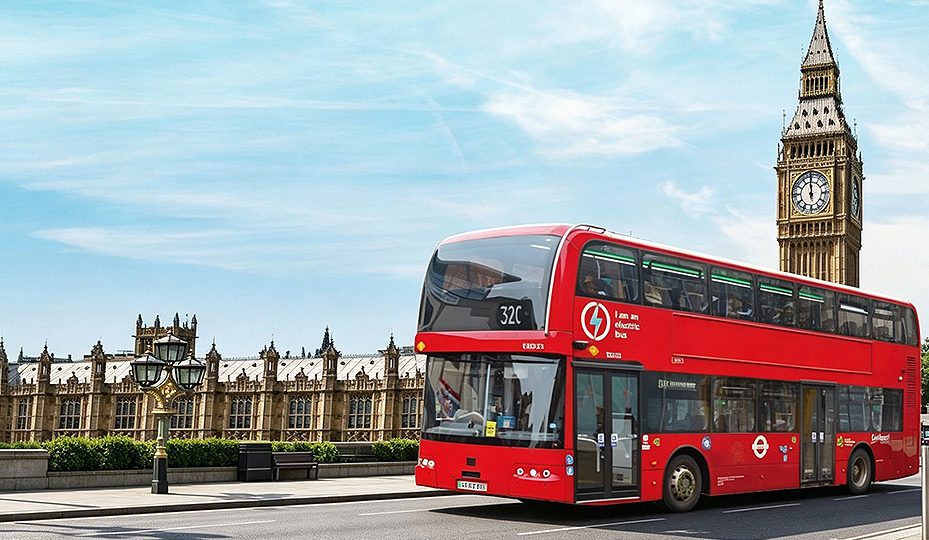
Go-Ahead’s engineers maintain over 6,000 buses and coaches for customers across the UK & Ireland, including the UK’s largest zero-emission fleet.
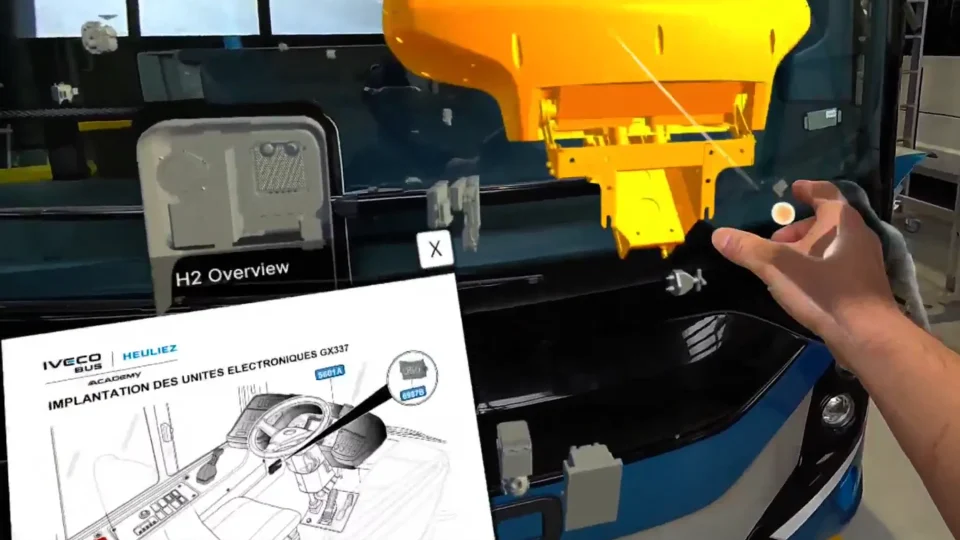
Go-Ahead’s existing engineers will receive training to enhance their skills and knowledge ready for the sustainable, high-tech future of public transport.
Apprentices will initially learn about complex mechanical and electrical systems in classrooms and real-life settings before joining one of Go-Ahead’s operating companies to learn on the job, whilst gaining a qualification and earning a wage, the group states. The programme will be delivered in partnership with S&B Automotive Academy, provider of apprenticeships to the automotive sector and will include placements with some of Go-Ahead’s other manufacturing partners. Dedicated mentors will help guide and support recruits throughout the programme.
Matt Carney, CEO Go-Ahead Bus said: “Engineers are absolutely crucial to our industry. Our investment will help create a clear career pathway for anyone interested in becoming an engineer. This includes women who are underrepresented in engineering, and I am very pleased to see that 20% of our first apprentices are women. This is a great start towards gender diversity. Our engineering academies will also develop our existing team of engineers, upskilling them so that they’re set up for success and provide leadership training to our emerging leaders. This means that as we grow and evolve, we will continue to have the best engineers in the industry, which is great for our teams and for our customers.”