Half of buses worldwide are diesel, 18% electric. UITP focuses on buses with a new report
50 per cent of the bus fleets worldwide are diesel buses. Electric buses account for almost 18% of the buses. Thanks to China. UITP is setting off on a journey with “The Story of the Bus”. In the short term future the organization will release four key sector publications, that will be presented within now […]
50 per cent of the bus fleets worldwide are diesel buses. Electric buses account for almost 18% of the buses. Thanks to China.
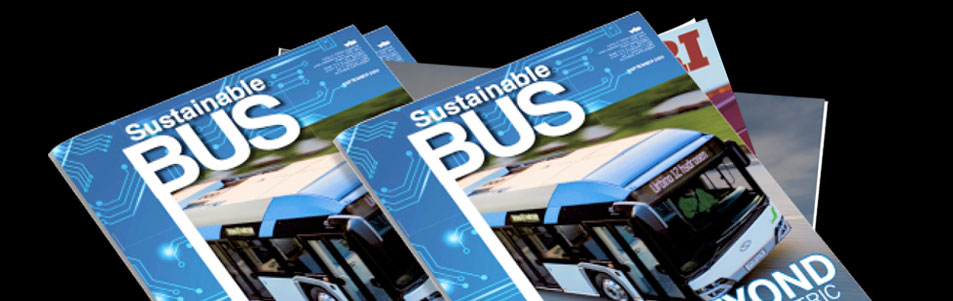
UITP is setting off on a journey with “The Story of the Bus”. In the short term future the organization will release four key sector publications, that will be presented within now and the International Bus Conference 2019, that will take place during Busworld Europe. One of these reports will be focused on the impact of electric buses on urban life. In the meanwhile, UITP launched the 2019 Global Bus Survey.
CLICK HERE TO DOWNLOAD UITP STATISTICS BRIEF
International Bus Conference 2019, UITP’s getting ready
From now until the International Bus Conference (Brussels, 21-23 October 2019), held in conjunction with Busworld, UITP will launch four bus papers detailing the latest developments on Bus Rapid Transit, trolleybus, global bus statistics and the impact of electric buses on urban life.
Today, UITP begins that journey by launching the 2019 Global Bus Survey– a worldwide Statistics Brief on more than 320 bus operators in 46 countries, updating on all trends and developments from the world’s bus fleet.
UITP statistics: 2019 Global Bus Survey
Almost 68% of the world’s bus fleet, according to the Global Bus Survey, are standard 12-metre buses. In particular, such as Argentina, Finland, Japan and Denmark are running 90% of their fleets as standard buses. «The average age of buses is 6.9 years – quoting the report -. Countries like China, Russia and Brazil with large number of younger buses affected the average age significantly. Young buses are also found in Indonesia, Mexico and Republic of Korea».
Diesel buses are 50 per cent of world bus fleets
What about propulsion systems? Quoting UITP’s publication, «Diesel is the most popular fuel by far as it represent 50% of all bus fleets. An additional 22% of the buses consume diesel combined with some additives or biodiesel. Electric buses account for almost 18% of the buses».
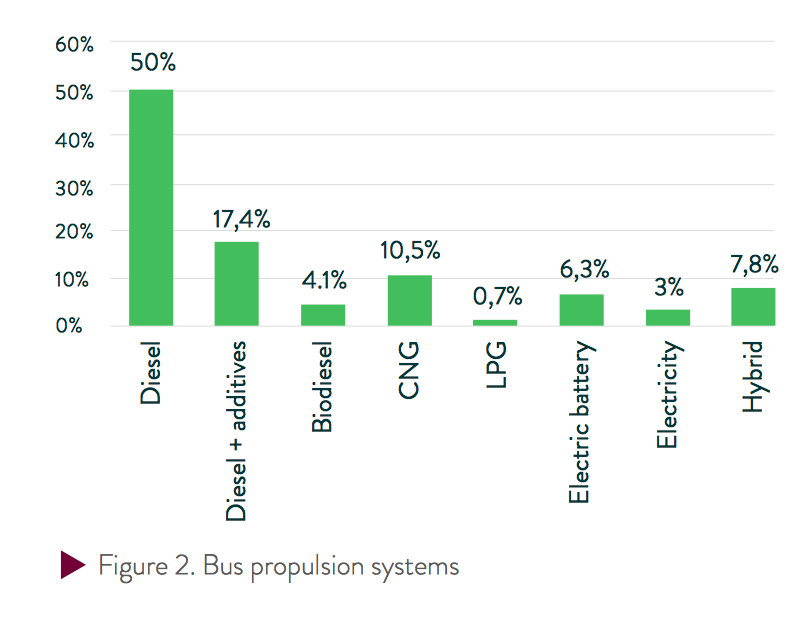
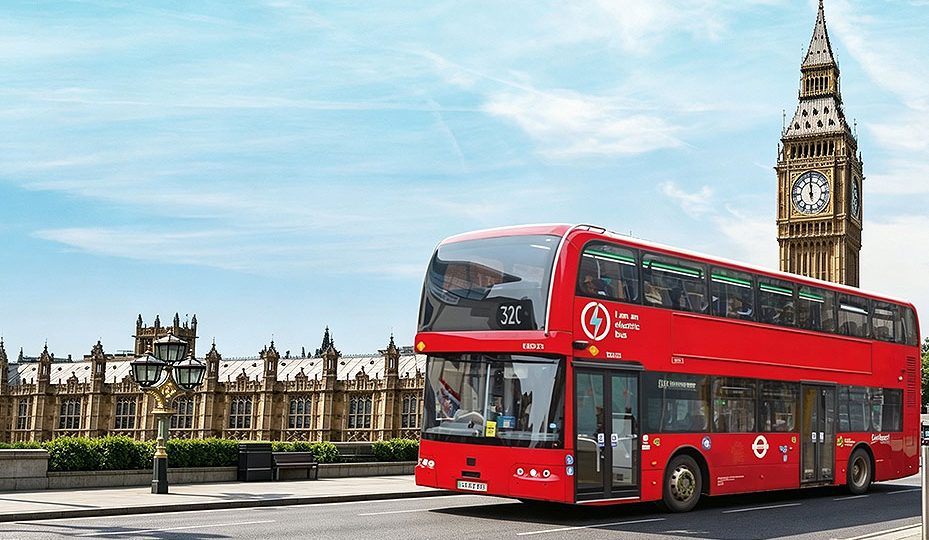
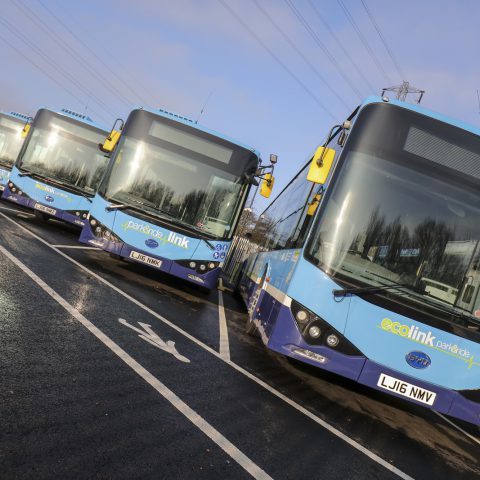
As widely known, China is the pioneer of operating electric buses with 57% of the buses included in this survey, UITP points out. Other countries with noticeable penetration of this propulsion system are Romania with 22% (a figure that could be related to the presence of trolleybuses), and France and the United Kingdom with 18%. Concerning other alternative fuels, almost 98% of the buses in Republic of Korea consume CNG.
It’s time of the bus
Arno Kerkhof, Bus Transport Unit Leader in UITP commented: “…Now truly is the time of the bus, as these four publications will provide the sector with the latest information, trends and updates they have been waiting for. The bus has in many ways been resurrected, with services and policies created to bolster the sector, as numerous new developments happen across the world. The statistics in our Global Bus Survey will be of great interest to many, and we will further debate the conclusions at the International Bus Conference this autumn – it will be the best occasion to see what lies ahead for the global bus industry.”