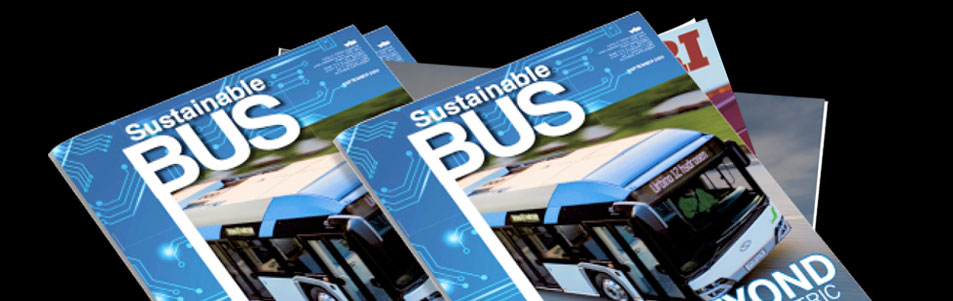
New issue of Sustainable Bus magazine is out! It’s the first of the four planned for 2024
First 2024 issue of Sustainable Bus magazine is out today. The expansion to four issues per year, vs three yearly issues published so far, is a significant milestone for Sustainable Bus magazine, made possible by the support and interest demonstrated by our readership. For those seeking access to physical copies of the magazine, subscription plans […]
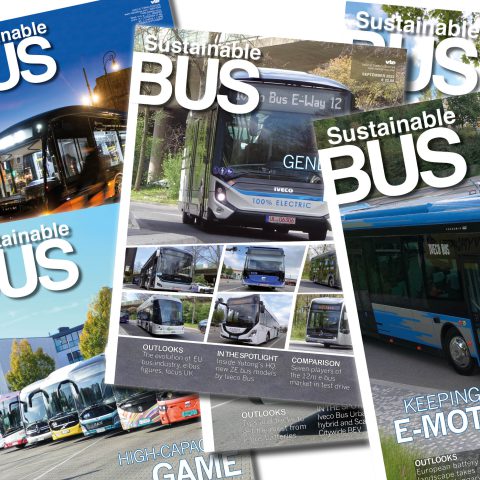
First 2024 issue of Sustainable Bus magazine is out today. The expansion to four issues per year, vs three yearly issues published so far, is a significant milestone for Sustainable Bus magazine, made possible by the support and interest demonstrated by our readership.
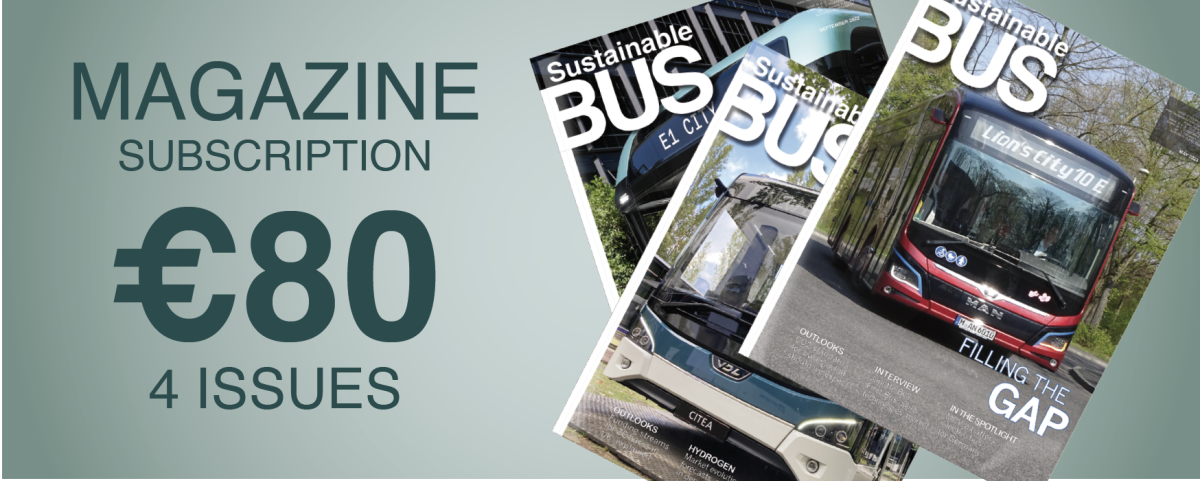
For those seeking access to physical copies of the magazine, subscription plans are available (but free consultation online and massive distribution at trade events will remain).
The next issues will be out in May, September and November 2024.
The contents of Sustainable Bus magazine
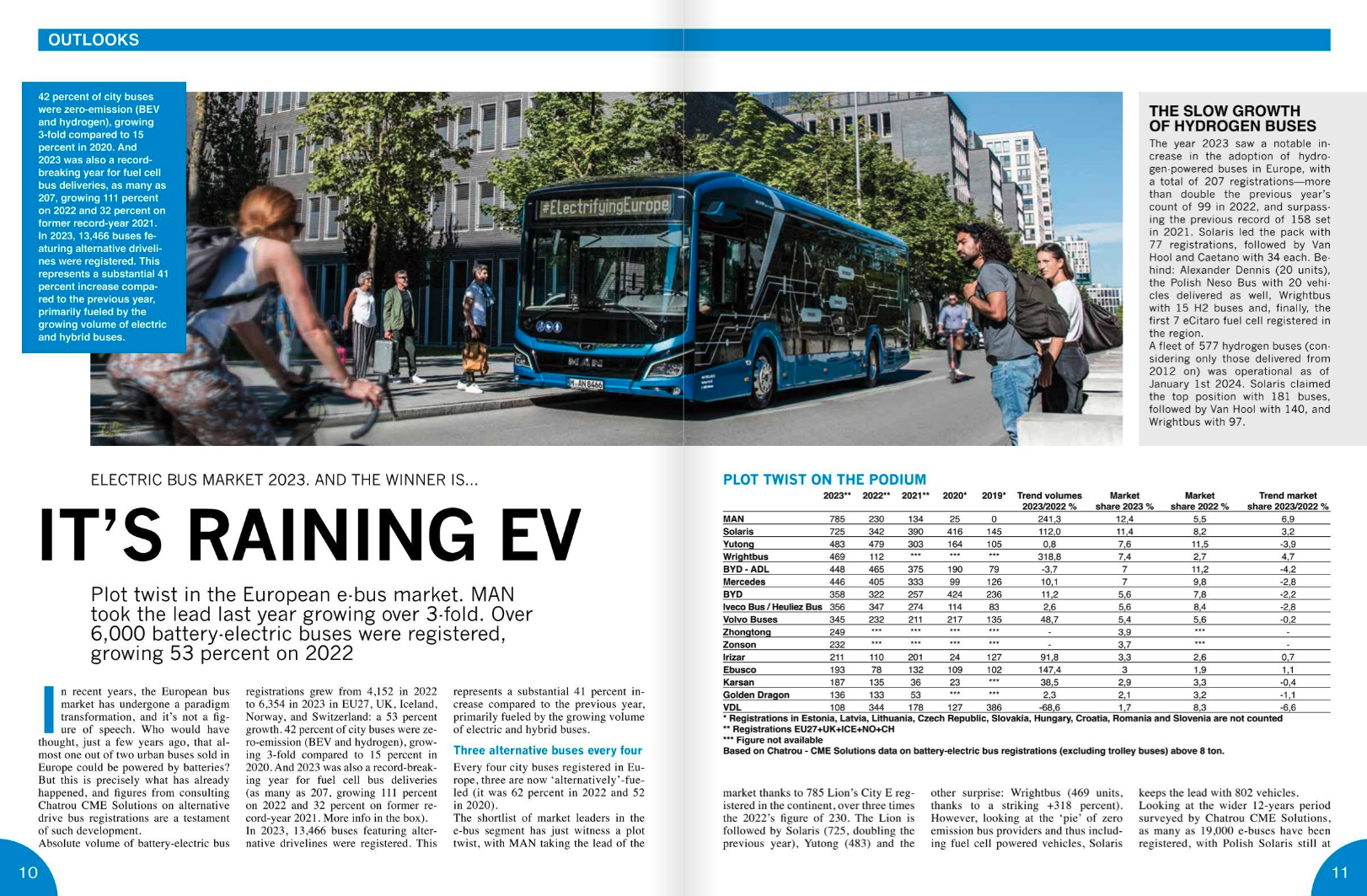
Among the featured articles is a thorough examination of the European electric bus market in 2023, shedding light on key statistics that underscore the increasing adoption of electric vehicles.
Another highlight of this issue is a report on battery manufacturing initiatives underway in Hungary and their potential implications for the wider European electric bus sector.
Furthermore, readers can delve into discussions surrounding powertrain values and strategies within the realm of e-mobility, providing insights into the factors influencing innovation in this rapidly evolving domain.
Focus on Crossway and Setra LE, Isuzu, Next
The magazine also delves into the challenges encountered in the adoption of battery electric buses (BEV) buses in Germany, illuminating the multifaceted considerations involved, including those related to total cost of ownership (TCO), thanks to a contribution featured by PwC.
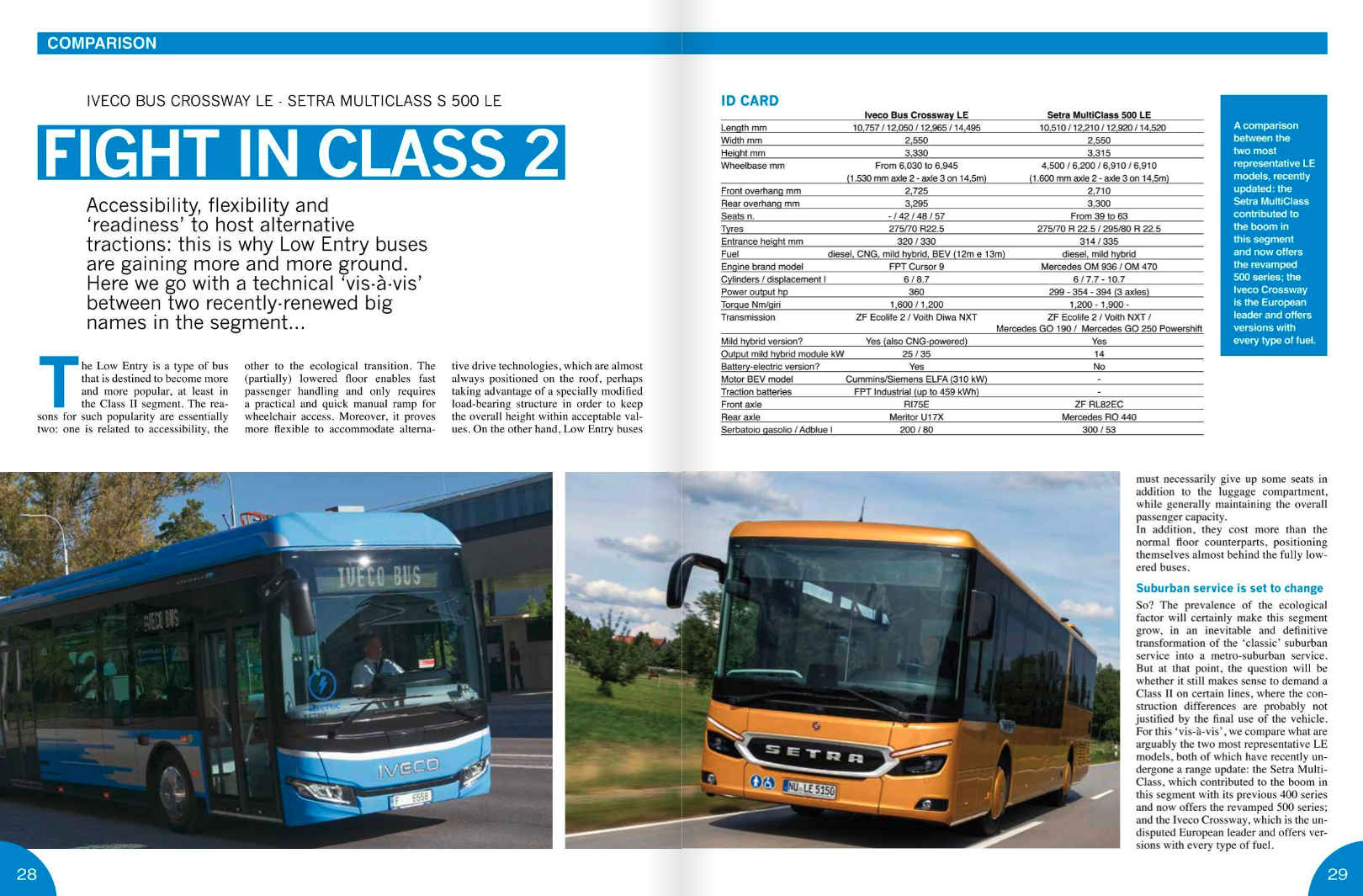
In the technical section, readers can expect in-depth analyses of several noteworthy developments, starting with a comparison between newly-updated intercity LE bus family: Iveco Bus Crossway LE vs Setra MultiClass S 500 LE.
Contents will include a focus on the introduction of Isuzu into the 12-meter BEV bus segment and an exploration of NEXT Modular Vehicles’ pod concept, which aims to revolutionize transportation through its innovative modular design.
Finally, the issue wraps up with a comprehensive overview of the zero emission bus models currently available in Europe, providing readers with a comprehensive understanding of the diverse range of electric buses on the market