Volvo Buses survey: 3% of operators already running electric coaches, 38% to follow
With 3% of operators already deploying electric coaches and 38% planning adoption within five years, coach electrification is entering an implementation phase globally. However, 73 percent of respondents indicate that current operating range is insufficient for long-distance services. Volvo Buses reports that electrification is progressing across the global coach segment, based on a survey of […]

With 3% of operators already deploying electric coaches and 38% planning adoption within five years, coach electrification is entering an implementation phase globally. However, 73 percent of respondents indicate that current operating range is insufficient for long-distance services.
Volvo Buses reports that electrification is progressing across the global coach segment, based on a survey of 75 operators in Asia-Pacific, Africa, the Middle East, Europe and the UK/Ireland conducted in September–October 2025. The findings show that fleet transition planning is advancing alongside infrastructure and operational considerations.
Volvo buses survey with coach operators
According to the survey, more than 40 percent of operators are either already deploying electric coaches or preparing to begin within five years. Volvo Buses is directly involved in this market development through the rollout of its electric coach platform. The BZR Electric is currently being introduced following announcement last year, with first order recently achieved in Norway.
At the same time, as mentioned above, 73 percent of respondents indicate that current operating range is insufficient for long-distance services, with requirements varying depending on route characteristics and charging availability.
Infrastructure availability emerges as the main barrier. Eighty percent of operators report limited charging infrastructure along major routes and key destinations.
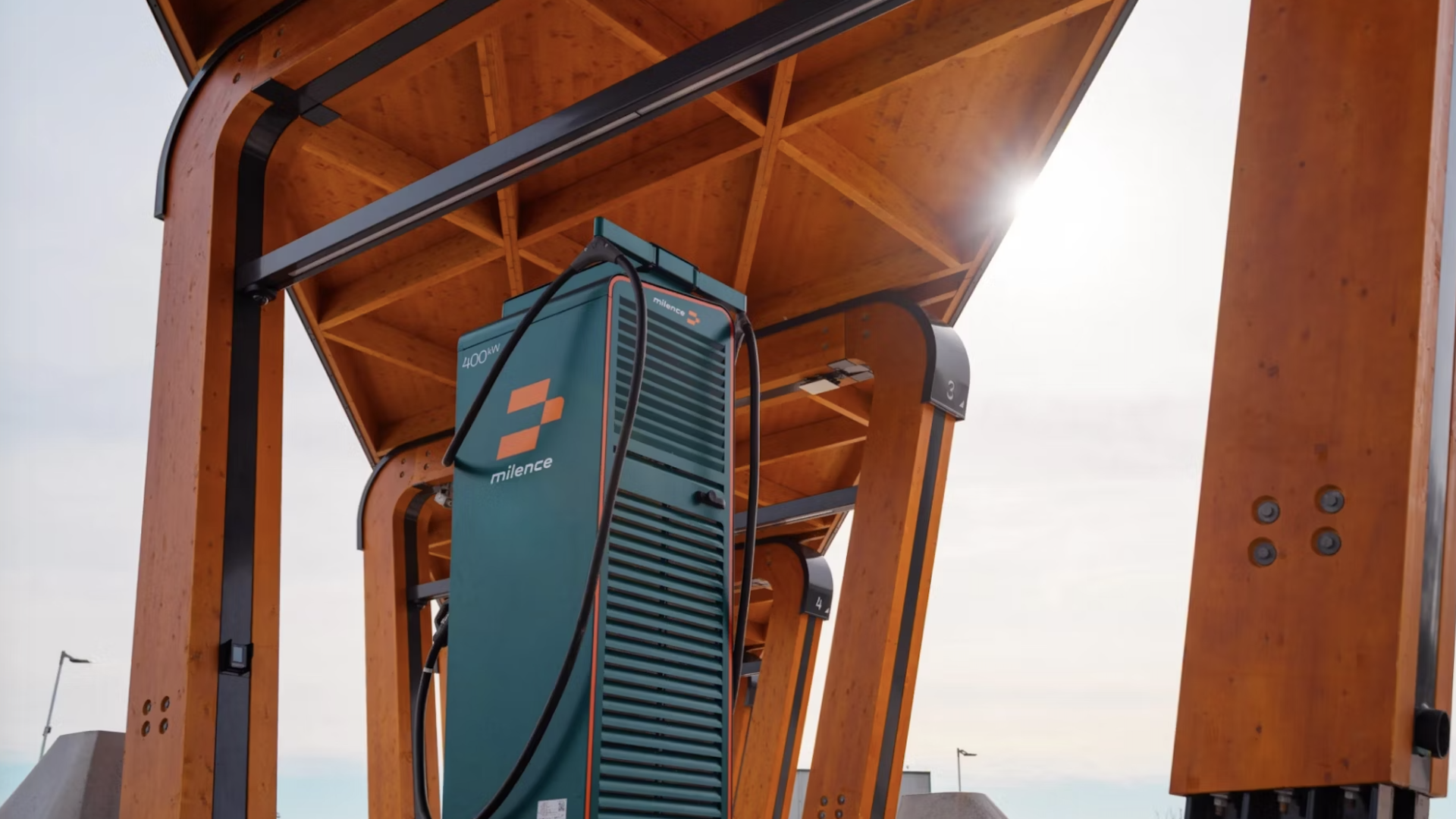
The survey highlights expected growth in demand for high-power charging hubs for coaches and trucks, alongside ongoing initiatives such as Volvo-Daimler-Traton-backed Milence aimed at developing dedicated charging networks.
Regulatory drivers and policy framework for coach electrification
Environmental targets are cited by 46 percent of respondents as a key driver, while 45 percent refer to regulatory pressure, including emissions zones. Volvo Buses reports a corporate objective of fossil-free operations by 2040, with similar timelines indicated by operators.
“What really stands out is the broader breakthrough we can expect to see over the next few years, as a substantial share of coach operators begin their transformation and electric coaches become mainstream. When this happens, the demand for high-power charging hubs for electric coaches and trucks will increase significantly. We know that a lot of operators are already concerned about this”, says Stefan Widlund, electromobility director at Volvo Buses.