Copenhagen achieves 100% electric bus network as Movia deploys 62 new units
Danish public transport authority Movia announces it has deployed a further batch of 62 electric buses, bringing the share of electric vehicles in its fleet to 72 percent (following achieving a 50 percent share in late 2024). At the same time, Copenhagen has completed the transition of all municipal bus lines to electric operation. The […]
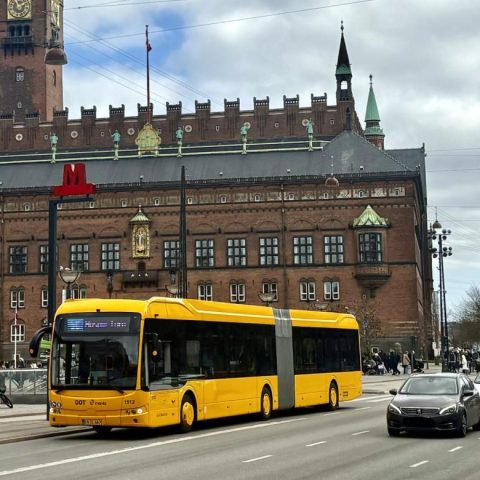
Danish public transport authority Movia announces it has deployed a further batch of 62 electric buses, bringing the share of electric vehicles in its fleet to 72 percent (following achieving a 50 percent share in late 2024). At the same time, Copenhagen has completed the transition of all municipal bus lines to electric operation.
The introduction of new battery-electric buses across key routes in the Greater Copenhagen area marks a further step in the ongoing transition of Movia’s bus operations toward zero-emission propulsion. The rollout increases the number of electric buses in daily service to 794 units out of the total fleet.
Movia began introducing electric buses into regular service in 2019. The transition aligns with a target established in 2016 by Movia and its public owners—45 municipalities and two regions—to achieve 50 percent electrification of the bus fleet by 2030, a target reached in 2024. In parallel, the Municipality of Copenhagen decided in 2016 to convert all municipally funded bus lines to emission-free operation.
Electric buses take all Copenhagen’s services
The 62 newly introduced electric buses entered service on 29 March 2026 and are assigned to three lines: 5C, 350S, and 19. These routes operate across multiple municipalities, including Copenhagen, Frederiksberg, Tårnby, Rødovre, Herlev, Glostrup, and Brøndby, within the Capital Region of Denmark.
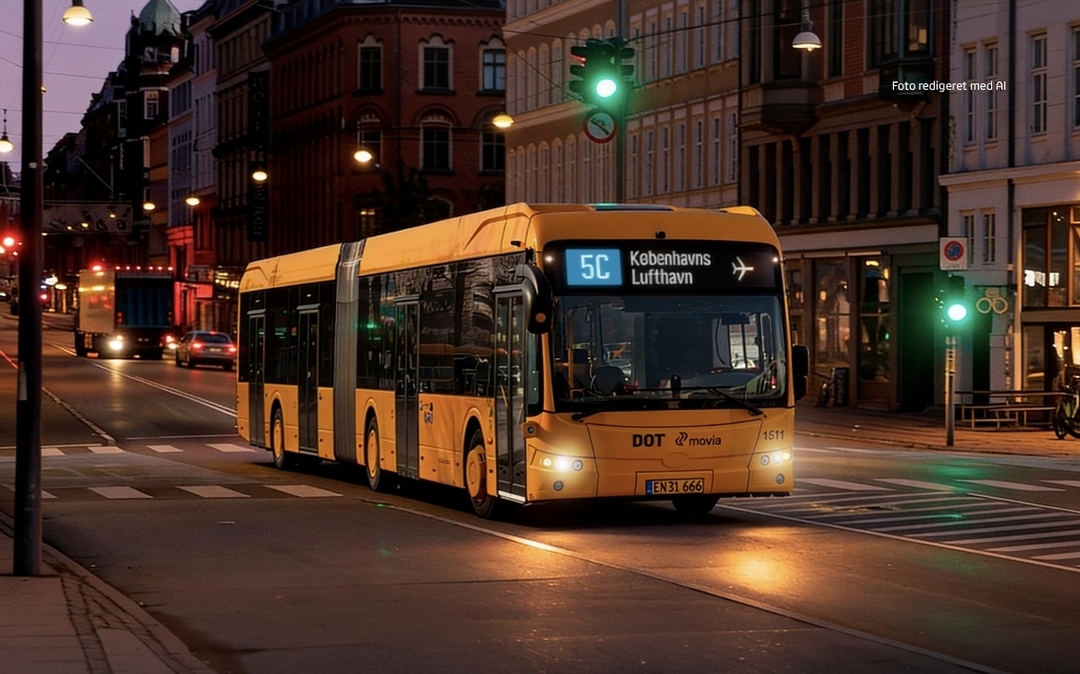
Line 5C, identified as the busiest bus line in Denmark with approximately 17 million passengers annually, receives the largest share of the new vehicles, with 37 units deployed. Line 19 is assigned 15 new electric buses, while line 350S is operated with 10 units.
The deployment of electric buses on lines 5C and 19 also represents the final step in the transition of all 42 bus lines financed by the Municipality of Copenhagen to zero-emission operation. With this change, no bus lines in Copenhagen operate with internal combustion engines emitting CO2 at the tailpipe.
Line 5C had previously been operated using biogas since 2017, while line 19 connects Glostrup Station, Frederiksberg and Valbyparken.
Fleet electrification progress and emissions data
With the addition of these vehicles, electric buses now represent 72 percent of Movia’s operational fleet, corresponding to 794 units in daily service. The deployment contributes to an annual CO2 emissions reduction of approximately 2,000 tonnes.
Across the wider transition to emission-free bus operations on Zealand and surrounding islands, the total estimated annual CO2 reduction has reached 54,000 tonnes.
Jeppe Gaard, Director of Transport at Movia (that we interviewed back in 2019), states: “Congratulations to the City of Copenhagen. Not only for the new electric buses on routes 19 and 5C, but just as much for the fact that all of the city’s bus routes are now electric. This is a historic milestone, which has contributed to Movia’s total share of electric buses now standing at 72 per cent. The fact that we have managed to make such progress in the transition to electric buses is largely due to the fact that Movia’s owners – the 45 municipalities and two regions on Zealand – have backed the ambitious target adopted in 2016 from day one. Back then, 10 years ago, we decided together that half of the buses should be electric by 2030. Thanks to a shared commitment to action, that target has already been achieved in 2024, which is something to be proud of.”