Indcar delivers electric minibuses in Turin
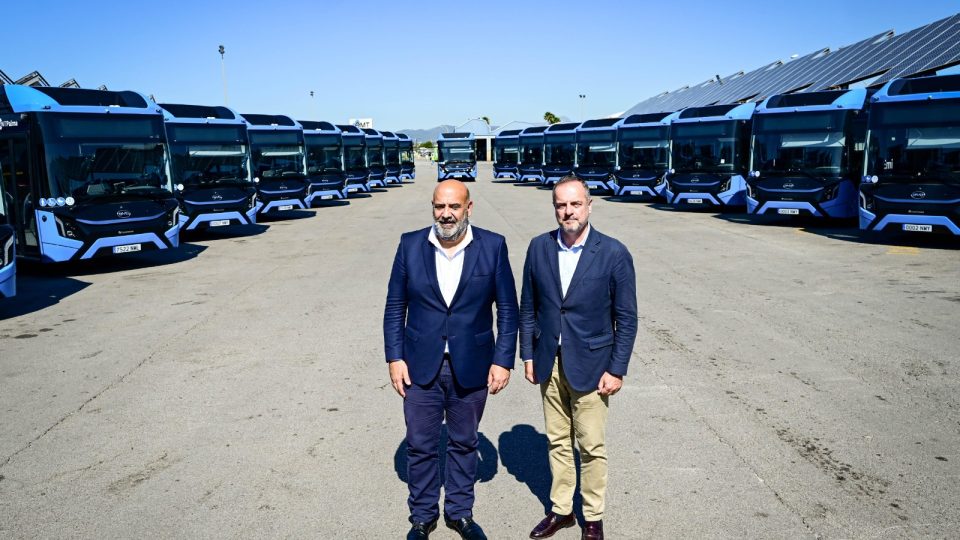
GTT Turin is introducing a fleet of 22 electric Indcar e-B6 minibuses that are set to be deployed on the Star lines operated by municipal carrier GTT. The tender was awarded in 2023. These 5.9-meter-long vehicles are Bluebus models rebranded by Indcar for the Italian and Spanish markets, can transport up to 33 passengers and […]
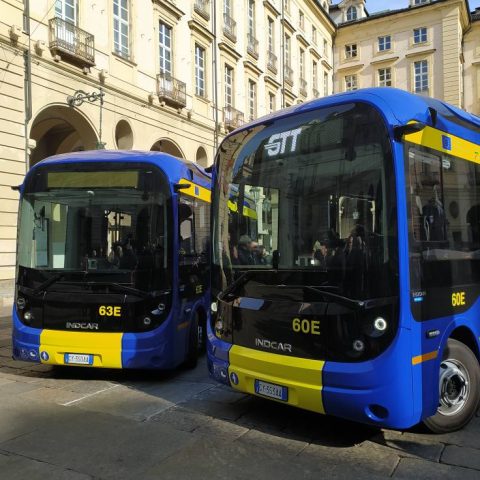
GTT Turin is introducing a fleet of 22 electric Indcar e-B6 minibuses that are set to be deployed on the Star lines operated by municipal carrier GTT. The tender was awarded in 2023.
These 5.9-meter-long vehicles are Bluebus models rebranded by Indcar for the Italian and Spanish markets, can transport up to 33 passengers and offer a range of over 200 km.
GTT reorganizes Star lines
The e-B6 minibuses for Turin are equipped with advanced technology, including e-mirrors, high-definition cameras, and GSR systems for speed control and lane departure warnings.
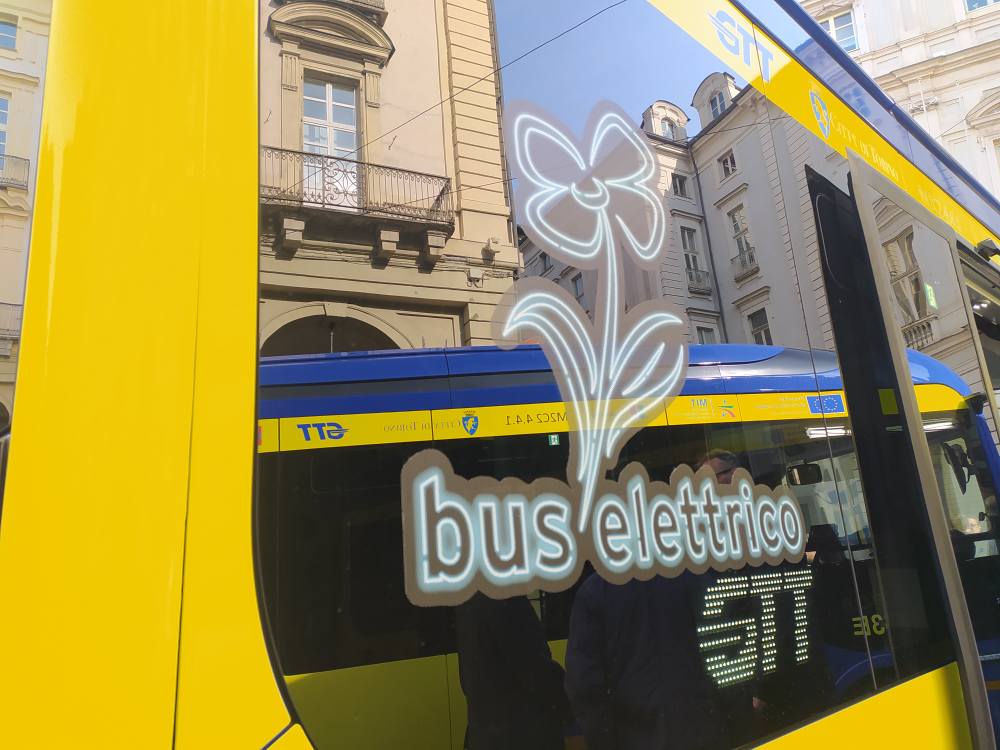
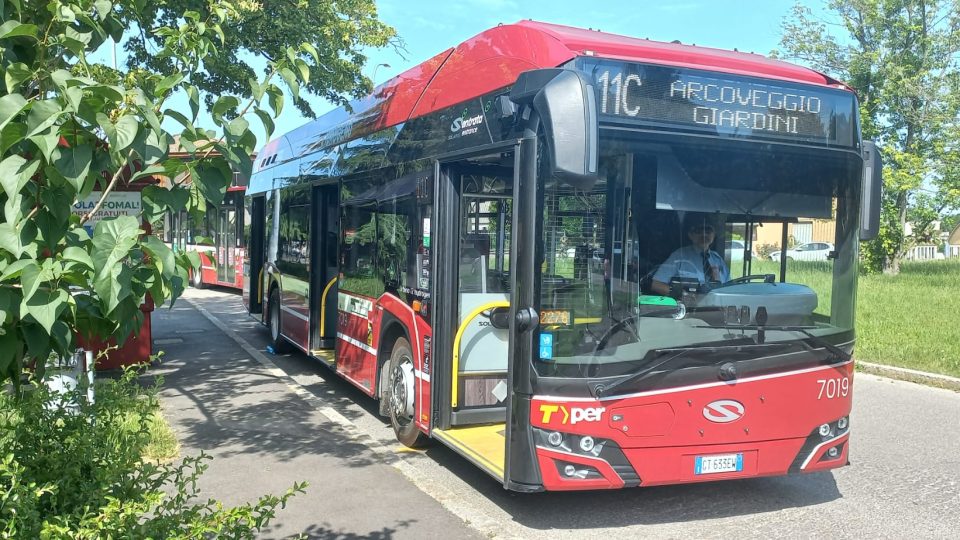
They will play a key role in the restructuring of Turin’s Star bus lines, which provide an eco-friendly alternative to private cars. The service expansion includes increased frequency, extended operating hours, and improved connectivity to key locations like Porta Susa, the Valentino area, and major park-and-ride facilities.
‘The reorganisation of the STAR lines and the progressive integration with the interchange hubs,’ explains Serena Lancione, managing director of GTT and next European president of UITP, ’represent a structural evolution of the local public transport network. The connection with the interchange car parks is also a key element in rebalancing the demand for mobility, encouraging a more rational use of urban space and reducing vehicular pressure in the city’s central nodes. With this model, GTT consolidates its vision of a mobility system based on rapid, frequent and synchronised connections with urban traffic flows in order to respond to the needs of the area’.
For Gaël Queralt, CEO of Indcar: ‘This is an enormously important day and project for us. We are delighted that the City of Turin has decided to continue the transformation of urban public transport, on the Star lines, together with INDCAR, focusing on the decarbonisation of the city centre. The e-B6 electric model thus becomes a sustainable solution of reference in the country, contributing to the electrification goals of the minibus fleet’.