Seattle, King County Metro rolls out Gillig electric buses
King County Metro has begun deploying Gillig electric buses in south King County, marking the first entry into service of this new battery-electric fleet with updated operator safety partitions. The launch was announced by King County Metro during an event attended by King County Executive Girmay Zahilay on 2nd February. Gillig is set tu supply […]
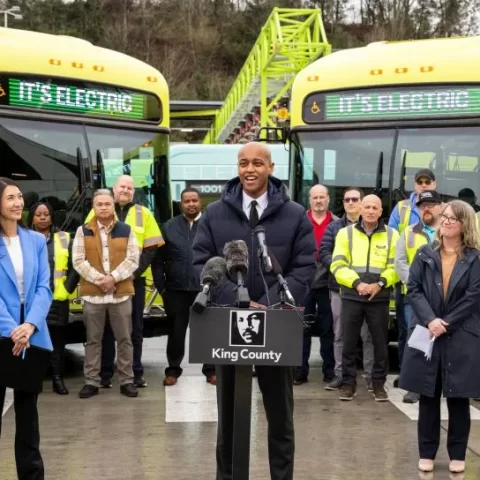
King County Metro has begun deploying Gillig electric buses in south King County, marking the first entry into service of this new battery-electric fleet with updated operator safety partitions.
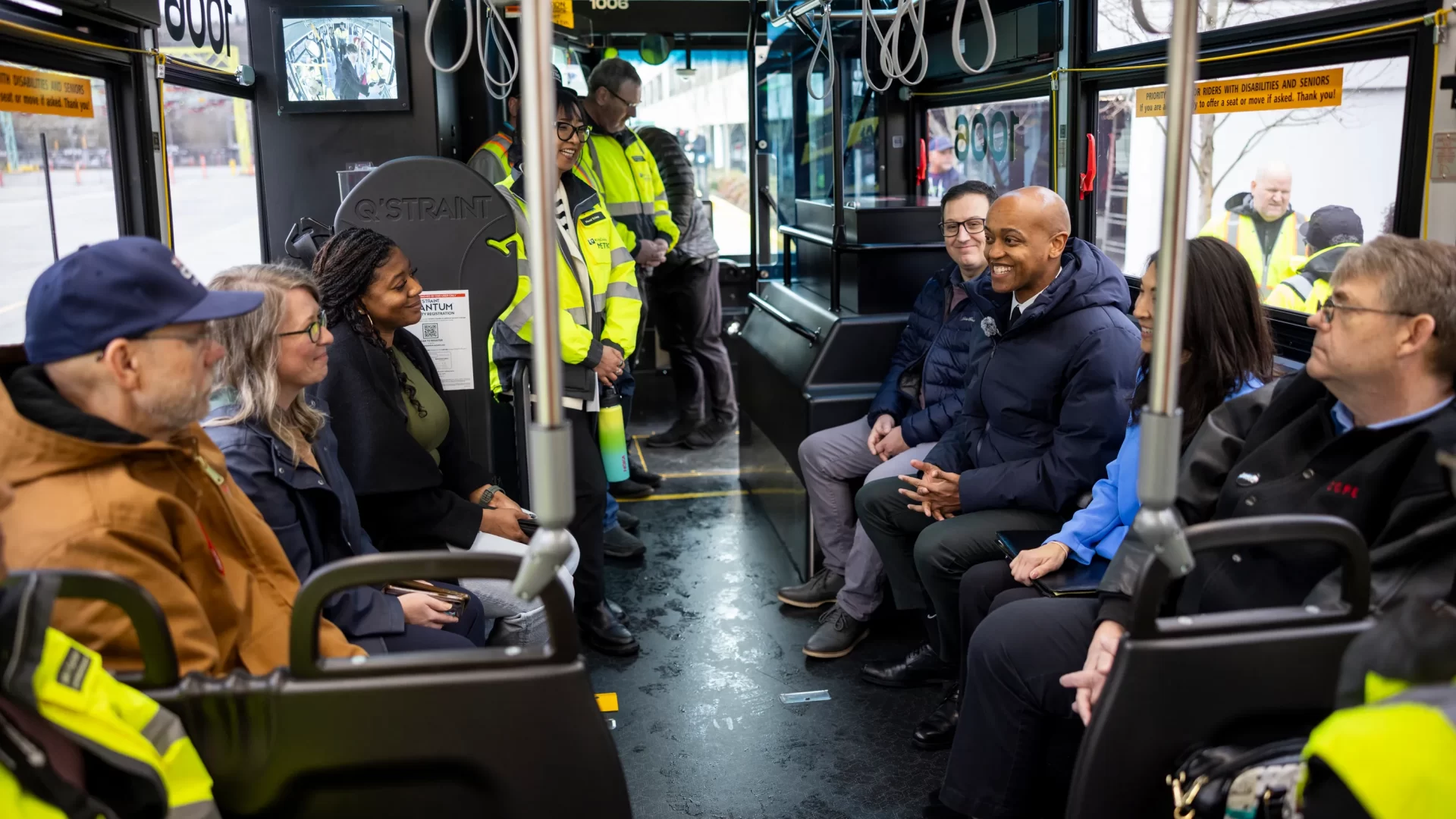
The launch was announced by King County Metro during an event attended by King County Executive Girmay Zahilay on 2nd February.
Gillig is set tu supply as many as 89 Low Floor battery-electric buses to King County Metro, within a new five-year contract that provides the option to additionally purchase up to 306 zero-emission vehicles, awarded in March 2024. In mid-2023 King County Metro has secured $33.5 million in federal funding to support the acquisition of zero-emission buses, propelling its commitment to becoming one of the pioneering large transit agencies in North America with a fully zero-emission fleet by 2035 (in advance with the previously mentioned 2040 target). In 2021 the agency ordered 20 e-buses from New Flyer, and has lately a contract for up to 18 e-buses to Solaris, the first in the US for the Polish manufacturer.
King County Metro deploys Gillig electric buses
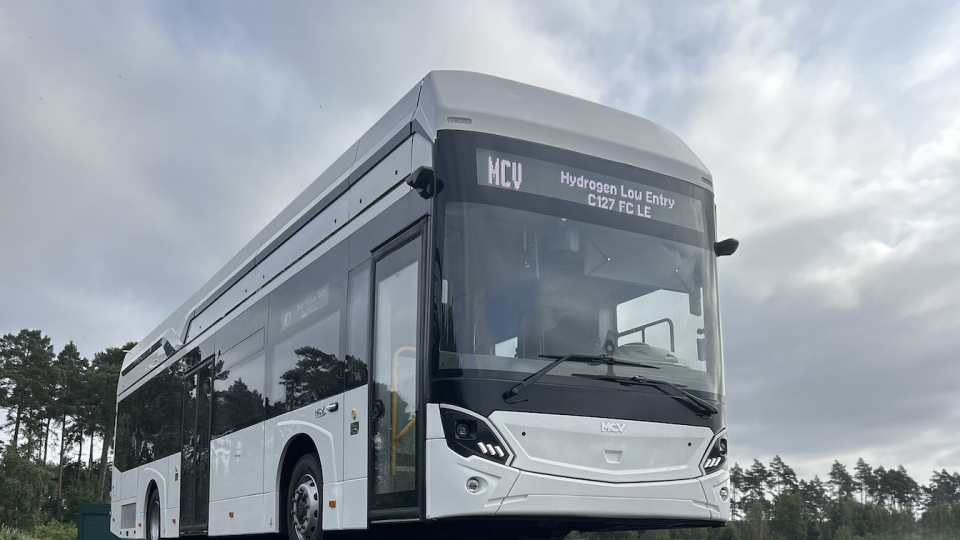
The new Gillig electric buses are 40-foot vehicles equipped with larger battery packs than Metro’s existing battery-electric buses, the operator states. According to the manufacturer, the buses have an estimated range of 240–280 miles on a single charge and a total capacity of up to 69 passengers, including the operator. They will expand King County Metro’s current fleet of 40 battery-electric buses.
Charging operations are scheduled to begin this spring at Tukwila Base. Once fully developed, the facility is planned to support up to 120 battery-electric buses serving south King County, King County Metro stated.
The Gillig electric buses are the first in King County Metro’s fleet to enter service with newly designed operator safety partitions. The system includes a reinforced lower metal panel, a two-part sliding glass structure, and a polycarbonate panel extending to the ceiling. Metro confirmed the partition remains closed except when operators assist passengers using mobility devices and meets industry safety standards.
“Public transit is one of the most powerful ways we connect people to opportunity. Every day, our operators show up to help people get to work, get to school, and get where they need to go,” said King County Executive Girmay Zahilay. “For decades, King County Metro has been a leader in clean transit. And while cleaner technology and cleaner air matter, progress is only possible if the people behind the wheel are safe and supported. As our operators show up for our communities, it’s our responsibility to show up for them by prioritizing safety improvements. We continue to honor the memory of Shawn Yim by taking operator safety seriously and ensuring our commitments show up in real, tangible ways. With this new fleet, we are doing exactly that.”
“Safety is our top priority, and these new buses are designed with enhanced steel and glass operator safety partitions to better protect our drivers while they serve the public every day,” Metro General Manager Michelle Allison said. “Our investment in these buses also reflects our values: protecting the people who operate our system and transitioning to clean transportation. Enhanced safety partitions improve operator security, while zero-emission technology helps build healthier communities now and for future generations.”
“I’m proud to help launch Metro’s newest electric bus fleet, which strengthens safety for our operators while improving air quality in the communities we serve,” said King County Councilmember Steffanie Fain, who serves as Chair of the Council’s Transportation, Economy, and Environment Committee. “Investing in reliable, clean transit improves quality of life across King County, and I look forward to continuing our work with Executive Zahilay and the King County Metro team to deliver a system that is safer, more resilient, and more sustainable.”