Branford Public Schools awards $60 million contract to Zum for transition to fully electric school bus fleet
Branford Public Schools has signed a 10-year, $60 million (€55 million) transportation contract with California-based Zum, marking the first agreement of its kind in Connecticut and setting the district on a path to a fully electric school bus fleet within five years. The Branford initiative aligns with Connecticut’s legislative goal of deploying zero-emission school buses […]
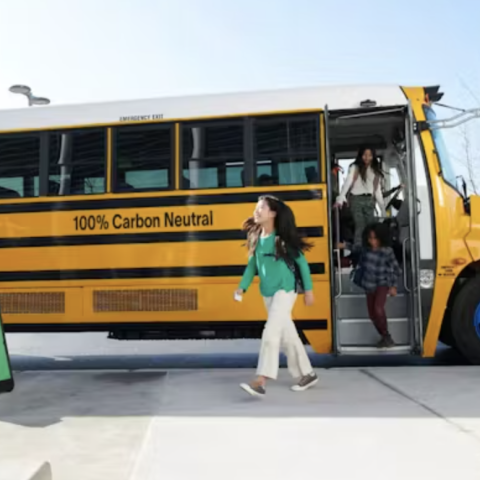
Branford Public Schools has signed a 10-year, $60 million (€55 million) transportation contract with California-based Zum, marking the first agreement of its kind in Connecticut and setting the district on a path to a fully electric school bus fleet within five years.
The Branford initiative aligns with Connecticut’s legislative goal of deploying zero-emission school buses in environmental justice communities by 2030. The project is supported by federal and state funding programs, including the U.S. Environmental Protection Agency’s Clean School Bus Rebate Program, with allocations exceeding $6 million (€5.6 million) for vehicle and infrastructure costs.
The electrification of school buses in the United States is rapidly accelerating, with over 13,759 electric school buses committed by 1,572 school districts and fleet operators (4,500 in 2024 only), according to data from the Electric School Bus Data Dashboard available on the website of the WRI-backed Electric School Bus Initiative.
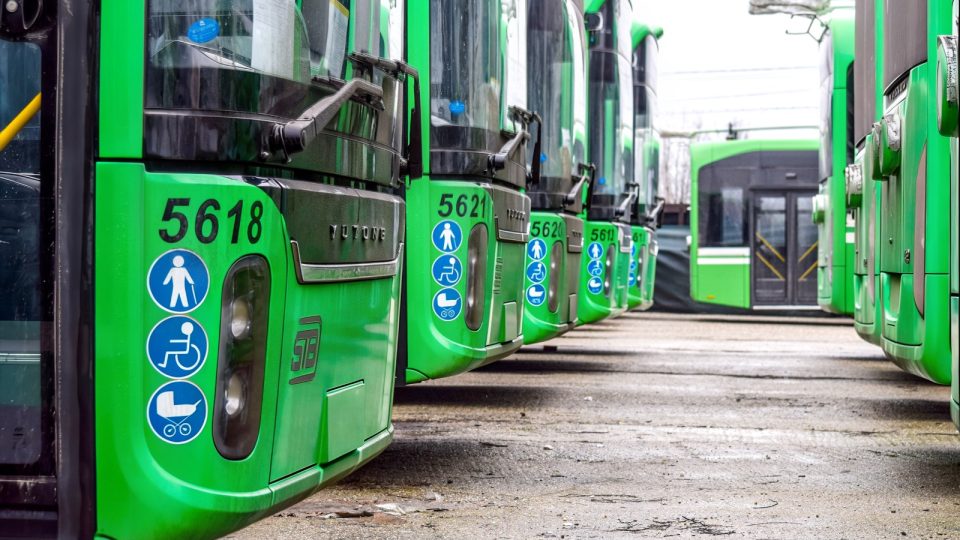
Electric school buses coming to Branfort
According to Zum, the partnership will introduce new vehicles, upgraded technology systems, and enhanced driver conditions, with operations scheduled to begin in the 2024–25 school year. The fleet renewal will progressively replace the district’s conventional diesel-powered buses with battery-electric models, supported by charging infrastructure to be deployed locally.
Founded in California, Zum operates school transportation services in several U.S. states including Massachusetts, Maryland, California, Washington, Texas, Illinois, and Tennessee, with further expansions planned in Missouri, Nebraska, Pennsylvania, and Virginia. The company describes itself as the nation’s first fully carbon-neutral student transportation provider and has committed to a Net Zero initiative aimed at fleet-wide electrification.
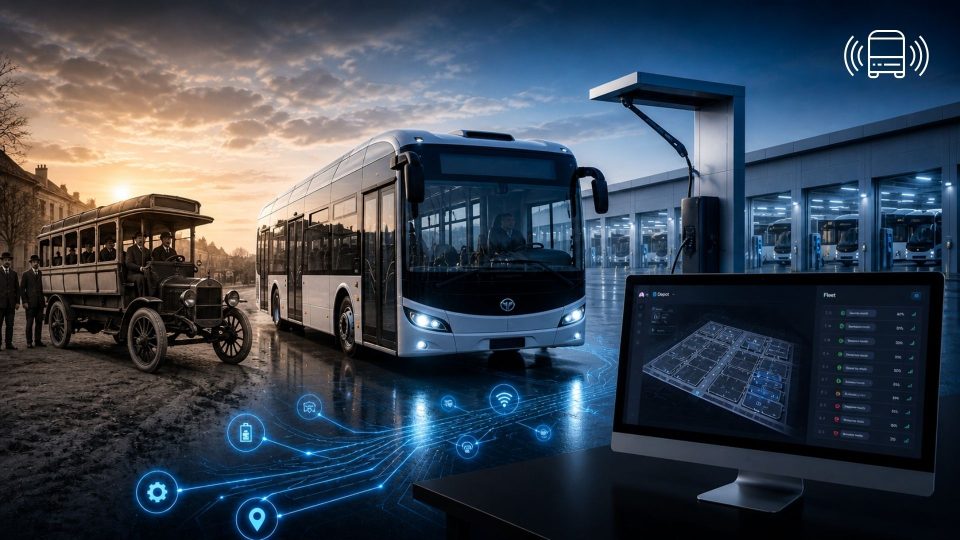
The new system will integrate digital tools enabling route optimization, real-time monitoring, and communication between schools and families. Through the Zum app, parents will be able to track their child’s journey and view information about assigned drivers and schedules.
According to Zum, its buses feature advanced safety technologies and meet or exceed federal and state requirements for student transport. The company also plans to conduct regular driver recruitment campaigns, offering training, certification, and benefits designed to attract and retain qualified personnel.
Superintendent Christopher Tranberg described the agreement as “a win-win-win” for students, families, and drivers, citing higher wages, new buses, and modern facilities among the expected benefits. He added that the transition will reduce Branford’s carbon footprint while maintaining safety and service standards.