Munich, Allianz Arena activates high-power truck and bus charging site close to motorway interchange
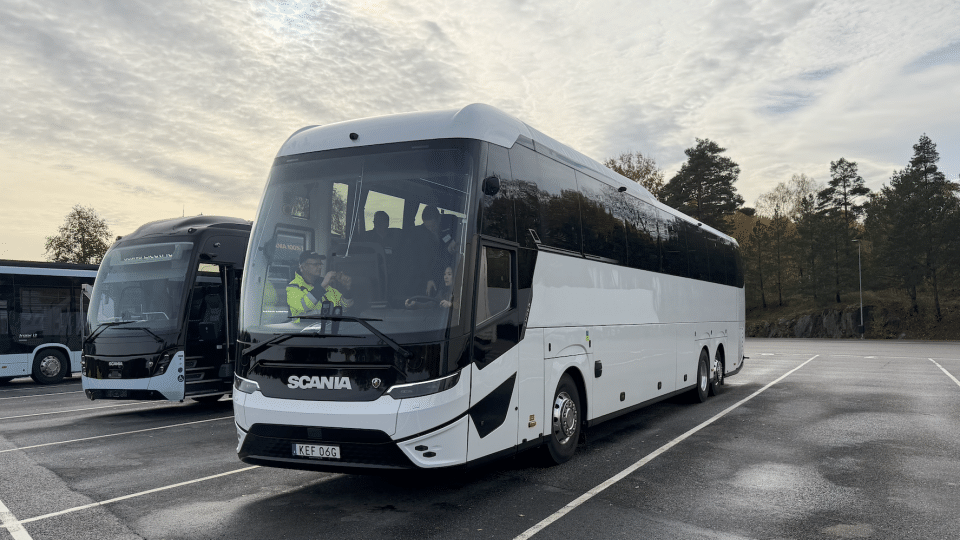
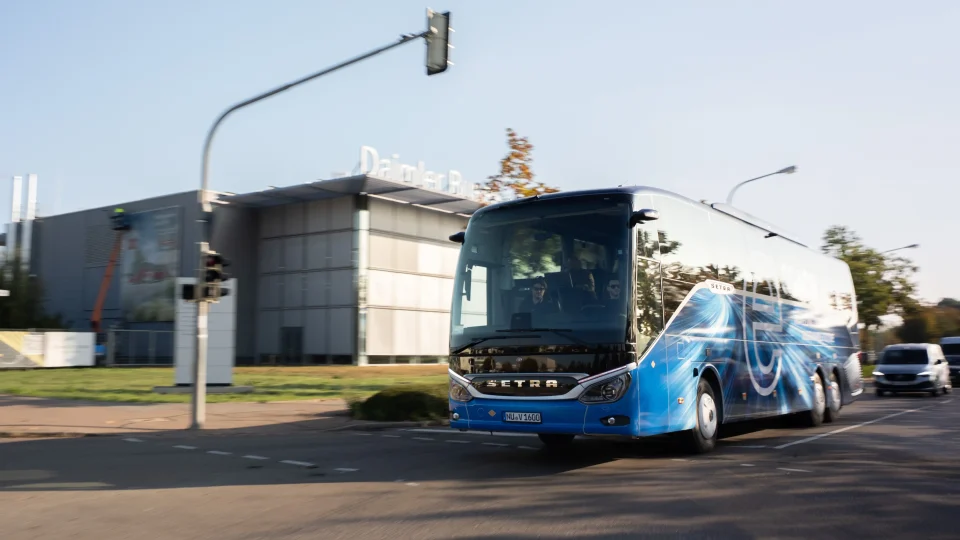
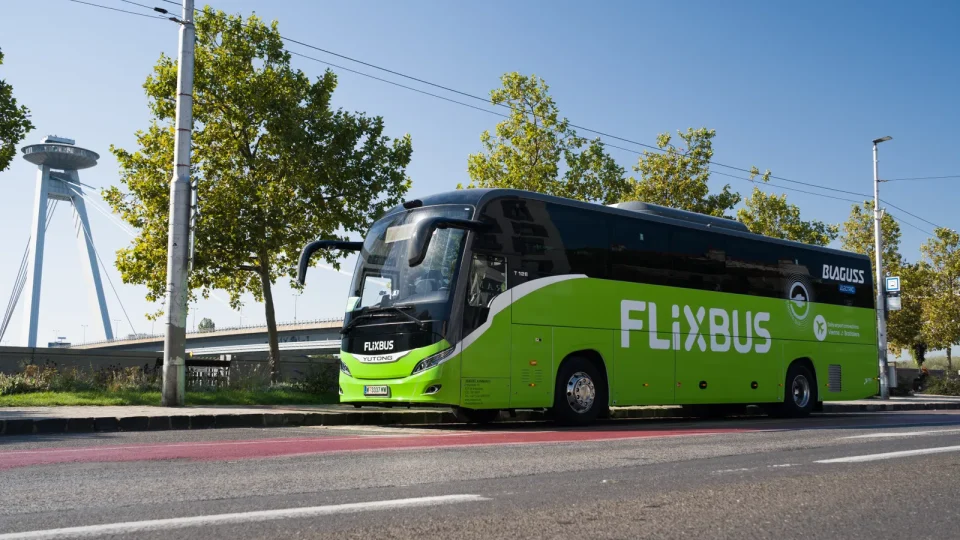
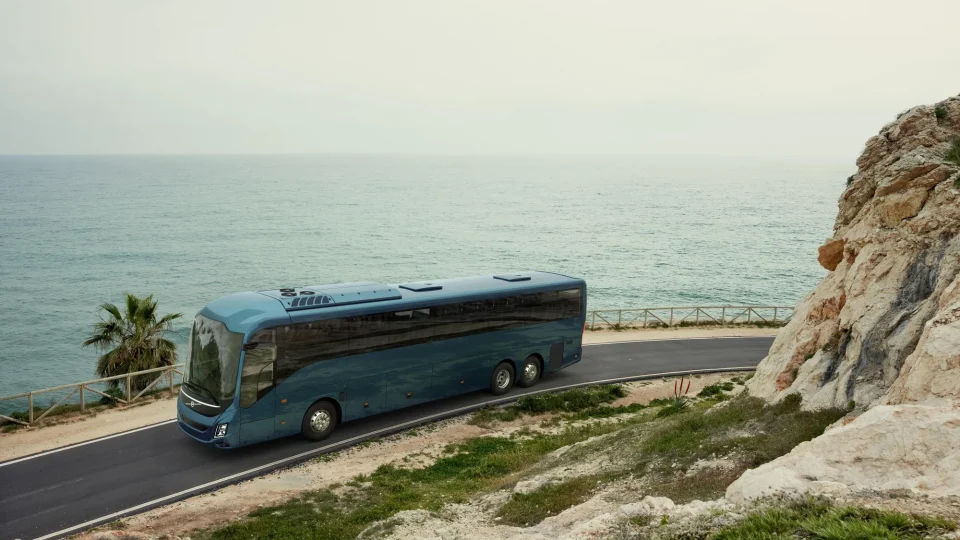
Two 400 kW charging stations for electric trucks have been commissioned at the Allianz Arena in Munich, with further provisions for future coach charging. As known, MAN electric coach (3-axles) is set to enter production by end of this year. Details of the project have been disclosed through an executive interview with Allianz Arena Managing […]
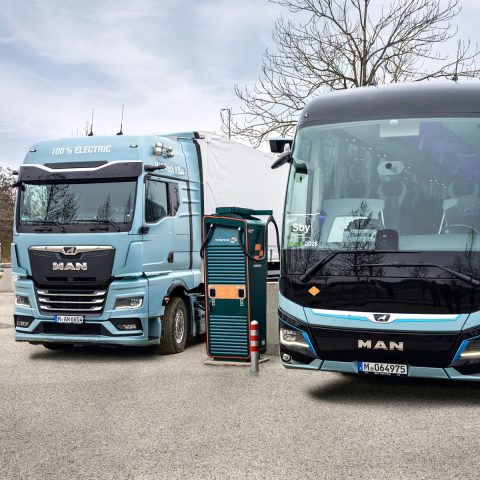
Two 400 kW charging stations for electric trucks have been commissioned at the Allianz Arena in Munich, with further provisions for future coach charging. As known, MAN electric coach (3-axles) is set to enter production by end of this year.
Details of the project have been disclosed through an executive interview with Allianz Arena Managing Director Jürgen Muth and MAN Transport Solutions Head Michael Voll, published on MAN’s website.
With high-power charging points, the arena becomes an important hub for e-trucks operating on long-haul routes. In the long term, electric coaches – such as those used by fan clubs or teams – should also be able to charge there, which will also improve the CO₂ footprint of match days. As a world-famous stadium, the Allianz Arena naturally aims to implement its own sustainability strategy and demonstrate that high-power charging is possible at public event venues – and that it works. In doing so, we are making a strategic contribution to building a comprehensive charging network for commercial vehicles along the key A9 and A99 transport corridors.
Jürgen Muth, Managing Director, Allianz Arena
Allianz Arena: chargers for electric trucks and buses are there
The installation consists of two high-power charging stations supplying four truck bays, located in the coach parking area of the Allianz Arena. The site is positioned next to the Munich North motorway interchange, connecting the A9 and A99 corridors, with reported traffic volumes of up to 10,000 trucks per day.
The infrastructure leverages the stadium’s existing high-capacity grid connection, which is available for external use outside event operations. Charging activity is currently suspended on match days due to stadium energy requirements, is said.
The site includes additional facilities such as secure parking and restrooms, and has been designed with future scalability, including megawatt charging capability and potential use by electric coaches.
Many European stadiums meet all the requirements for truck-charging infrastructure: large grid connections and low utilization outside event days. They also offer sufficient space for heavy-duty charging infrastructure and often have good road access at key transport nodes. The Allianz Arena project shows how such sites can be activated.
Michael Voll, Head of MAN Transport Solutions
According to the information provided in the interview, the Allianz Arena owns the charging infrastructure, while operational support is provided by the Traton – Volvo and Daimler-backed entity Milence, as specified in the interview. The model combines site ownership with external operational expertise.
MAN Transport Solutions contributed to the project’s development from early stages, including grid-load analysis, infrastructure sizing and system design. The planning process incorporated modelling of load profiles, vehicle flows and energy demand to define charging capacity and grid integration.
Jürgen Muth, Managing Director of the Allianz Arena, specifies that: “With high-power charging points, the arena becomes an important hub for e-trucks operating on long-haul routes. In the long term, electric coaches – such as those used by fan clubs or teams – should also be able to charge there, which will also improve the CO₂ footprint of match days. As a world-famous stadium, the Allianz Arena naturally aims to implement its own sustainability strategy and demonstrate that high-power charging is possible at public event venues – and that it works. In doing so, we are making a strategic contribution to building a comprehensive charging network for commercial vehicles along the key A9 and A99 transport corridors”.
The project required coordination for high-voltage grid connection and integration within the stadium’s operational environment, particularly in relation to maintaining regular event activities during construction and deployment.
The project is also presented as a model applicable to other large venues with similar characteristics, including strong grid connections, available space and proximity to major transport routes. Stadiums and event sites are identified as potential nodes within wider heavy-duty charging networks.
“The long-term vision is a charging park that serves as a model for additional sites – for example at other sports venues, especially in Germany. We want to expand the necessary infrastructure so that switching to electric drivetrains in heavy-duty and coach transport is no longer a logistical hurdle, but becomes a reality right on our doorstep”, adds Muth.
According to Michael Voll, Head of MAN Transport Solutions, “Many European stadiums meet all the requirements for truck-charging infrastructure: large grid connections and low utilization outside event days. They also offer sufficient space for heavy-duty charging infrastructure and often have good road access at key transport nodes. The Allianz Arena project shows how such sites can be activated. The basic prerequisites are a resilient medium-voltage grid connection, clear load-management strategies, flexible operating concepts, and partners with expertise in heavy-duty charging infrastructure. If these parameters are in place, stadiums, trade-fair grounds and event venues can become key components of Europe’s e-truck corridors”.