[REPLAY AVAILABLE] Market, policy and operations in focus for zero-emission intercity buses, at Sustainable Bus Tour session in Bus2Bus
The transition to zero-emission buses in Europe is extending into the intercity segment, and this was the topic of the Sustainable Bus Tour session held during Bus2Bus 2026 in Berlin. The panel “From city to intercity: the next step for zero emission bus transition” gathered Malo Benoit, Heavy-Duty Vehicle Research Fellow at the International Council […]
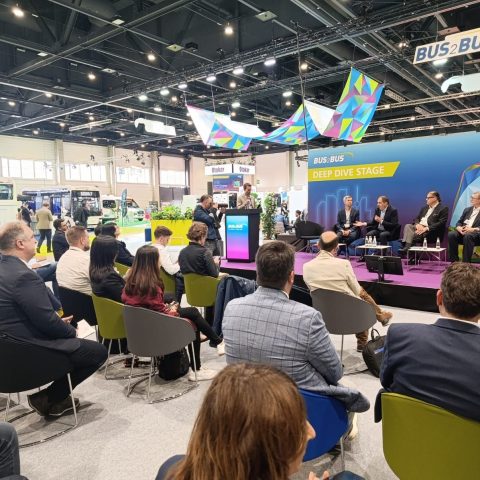
The transition to zero-emission buses in Europe is extending into the intercity segment, and this was the topic of the Sustainable Bus Tour session held during Bus2Bus 2026 in Berlin.
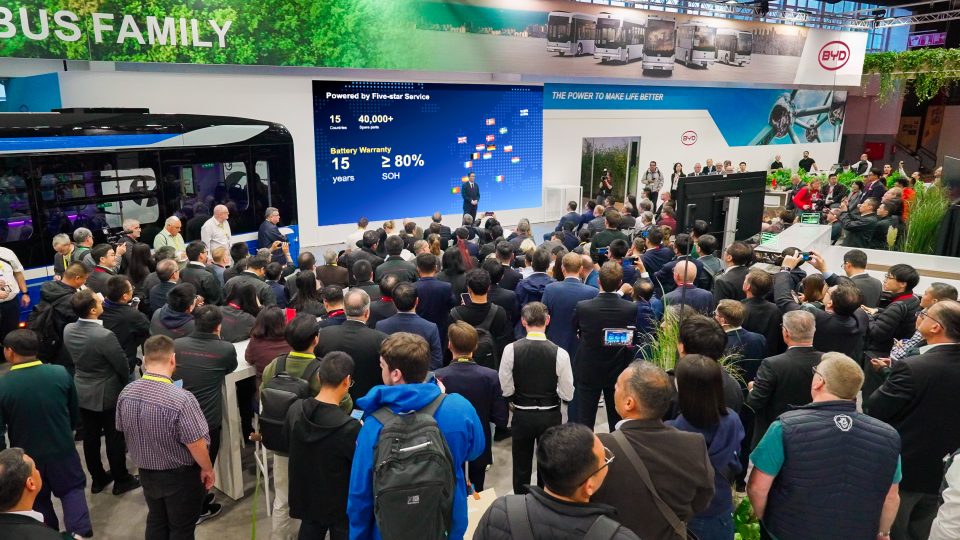
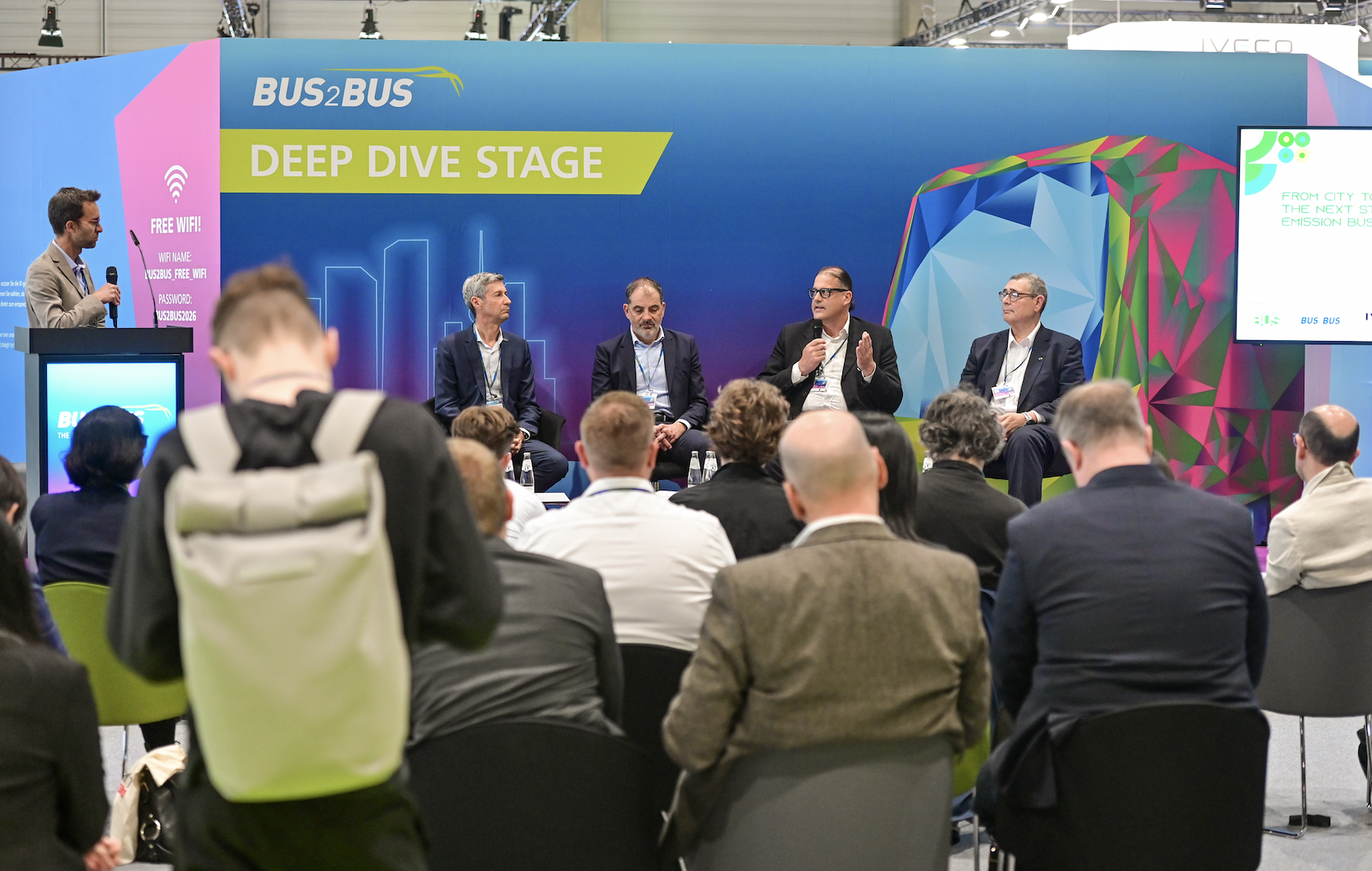
The panel “From city to intercity: the next step for zero emission bus transition” gathered Malo Benoit, Heavy-Duty Vehicle Research Fellow at the International Council on Clean Transportation (ICCT); Bruno Lapeyrie, Director Energy Transition Bus at Keolis Group; Jean-Marc Boucheret, Sustainable Mobility Manager at Iveco Bus; Javier Contijoch, Vice President Sales at BYD Europe, and Hakan Bubik, Business Development and Product Management Director at Otokar.
The discussion addressed the evolving framework of electrification beyond urban operations, in a context where zero-emission technologies are increasingly considered for longer-distance services.
Zero emission buses in the intercity sector: a fragmented landscape
Intercity bus transport in Europe is characterized by a fragmented operator landscape, including a high number of small and medium-sized companies, alongside less standardized operational patterns and frequent dual-use vehicle profiles. Service conditions differ from urban environments, with longer routes, higher average speeds and extended duty cycles. These parameters introduce specific requirements for vehicle autonomy, charging strategies and fleet utilization.
Within this context, electrification pathways were discussed in relation to financing structures and operational planning, with cost frameworks differing from those of urban public transport systems. The discussion also addressed the progressive evolution of funding mechanisms, with public subsidies becoming less central in upcoming deployment phases, while manufacturer strategies and regulatory requirements are increasingly shaping the market.
Policy framework and market data from ICCT
During the session, Malo Benoit presented updated figures on the European market and regulatory landscape. According to ICCT data, zero-emission buses and coaches accounted for approximately 25% of total EU sales in 2025, with a clear segmentation between urban and long-distance applications. City buses exceeded the majority threshold for zero-emission adoption, while intercity buses and coaches remained largely diesel-based, with around 79% share for conventional powertrains in recent registrations.
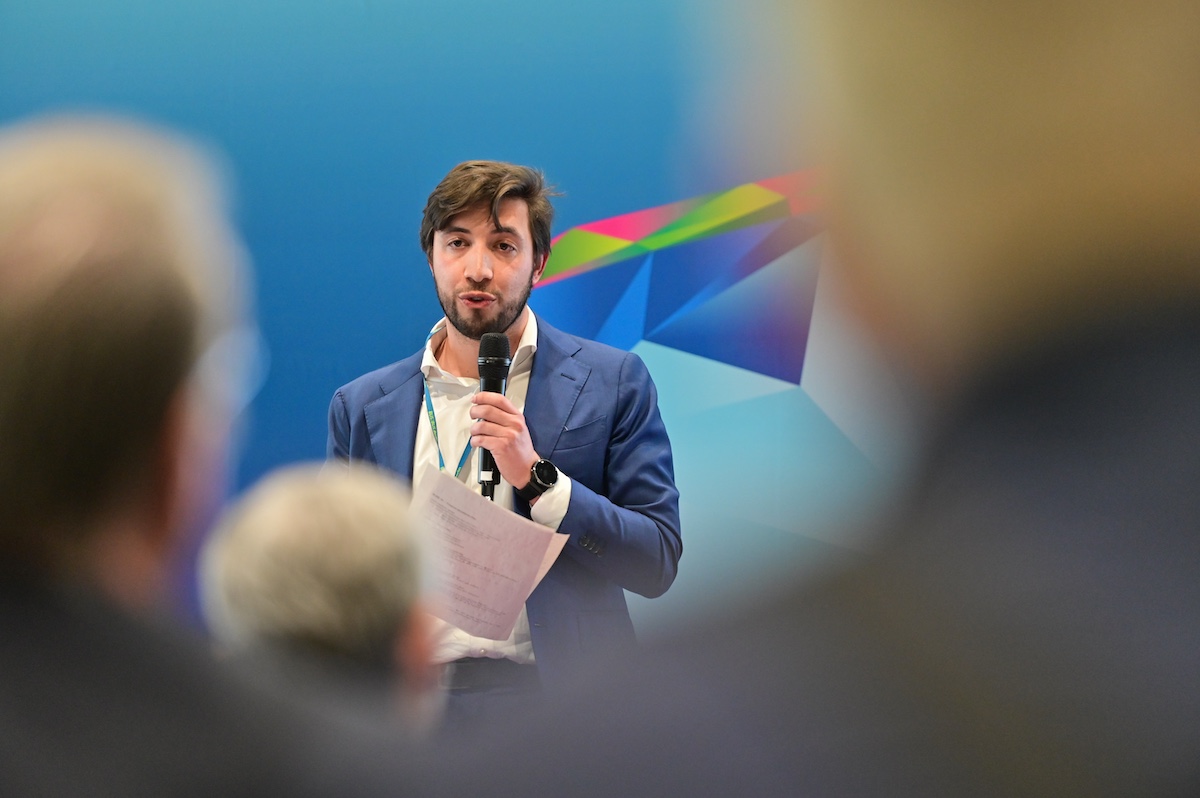
The keynote also outlined the EU regulatory framework, including CO₂ standards establishing a 100% zero-emission target for urban buses by 2035 and a 90% emissions reduction requirement for intercity buses and coaches by 2040, alongside compliance mechanisms based on fleet-average emissions.
Industry perspectives on the next phase of electrification
Contributions from the panelists provided insights into technology strategies, operational constraints and market requirements. Jean-Marc Boucheret outlined the technology-neutral product approach of Iveco Bus, with offerings ranging from diesel and CNG to mild hybrid and battery-electric solutions across both urban and intercity platforms, including the Crossway Low Entry and normal-floor variants, alongside hydrogen applications in the city bus segment.
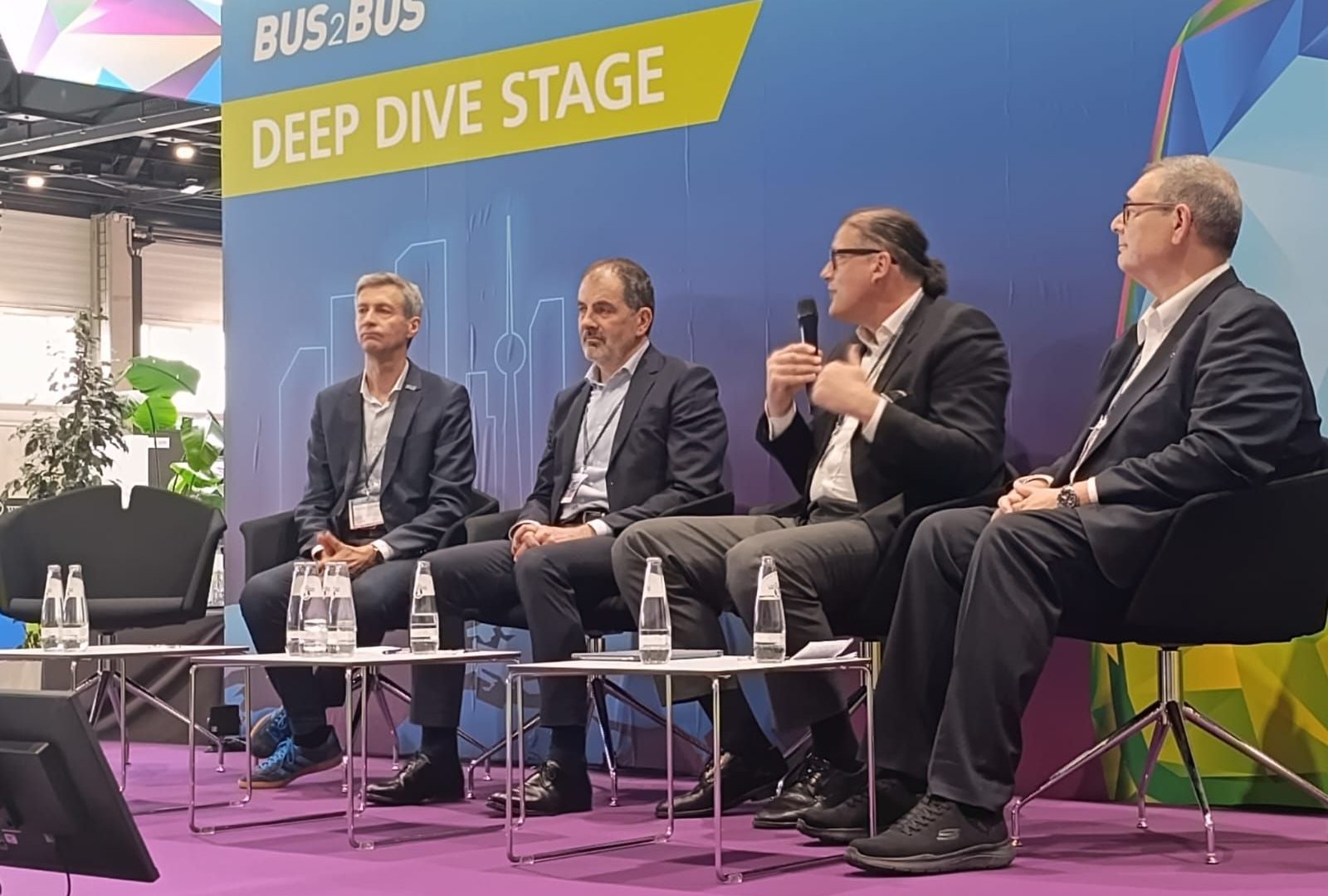
Javier Contijoch presented BYD Europe’s integrated approach covering vehicle supply and financing solutions, stressing the point of being able to provide leasing options. In the intercity segment, he referred to the presence of smaller operators and lower levels of public subsidies compared to urban transport. Infrastructure aspects were also addressed: in this regards, megawatt charging systems are, according to BYD, a game changer with capability of turning operations as aligned with operational behavior of traditional vehicles.
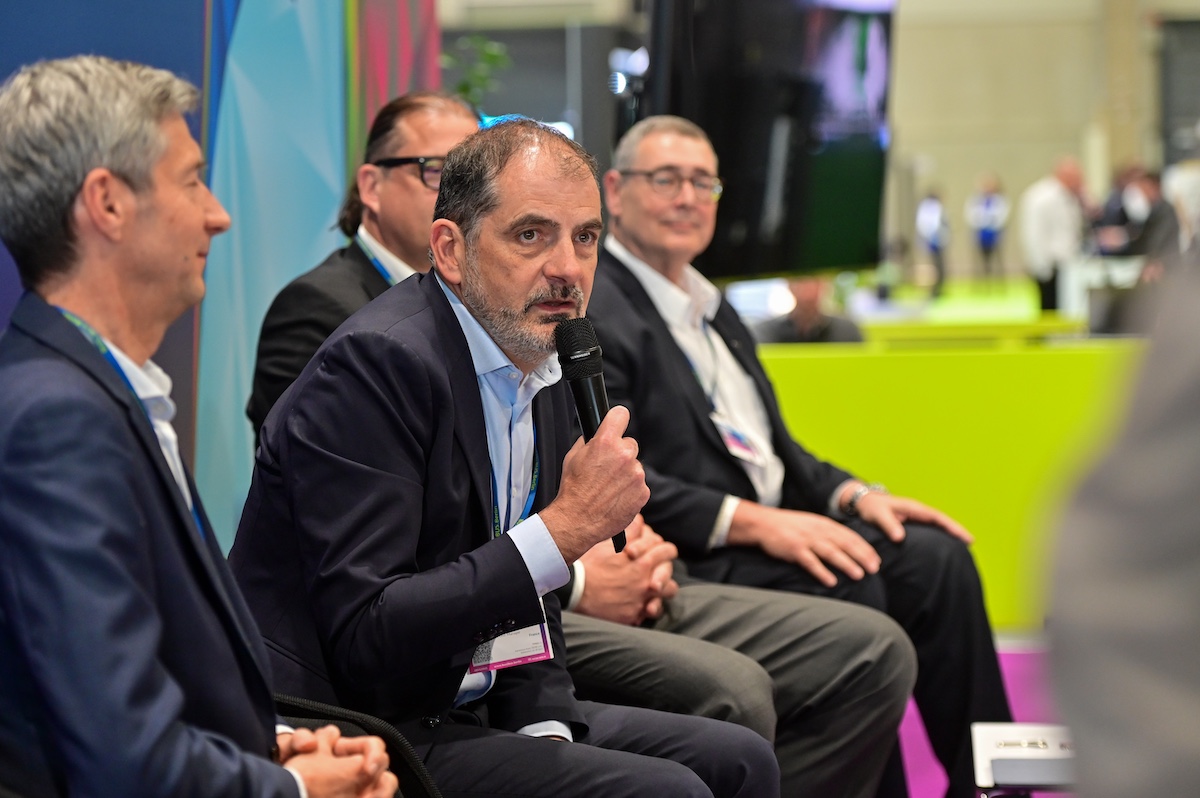
Bruno Lapeyrie provided the perspective of an international public transport operator, describing operational planning parameters where, with electrification, vehicle characteristics, above all range, define service design parameters (and not the contrary!). Hakan Bubik (Otokar) highlighted the requirements of small and medium operators managing multiple service types, as well as the duration mismatch between vehicle lifecycles and shorter-term contracts such as school transport concessions. He referred to the demand for vehicle configurations that can be adapted over time to different operational uses.