BVG opens new terminal fast-charging site under Berlin-wide rollout of 20 opportunity charging stations
The Berliner Verkehrsbetriebe (BVG) has started test operations of a new fast-charging station at the Marzahn S-Bahn terminal. BVG is advancing the electrification of its bus operations with the deployment of additional charging infrastructure, aligned with a fleet expansion plan targeting 270 new battery-electric buses by 2027. This would bring the total number of electric […]
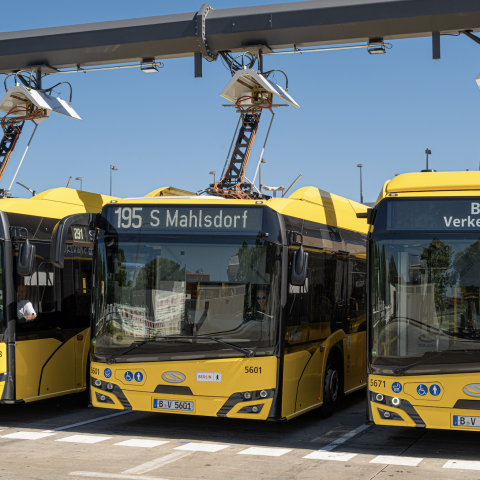
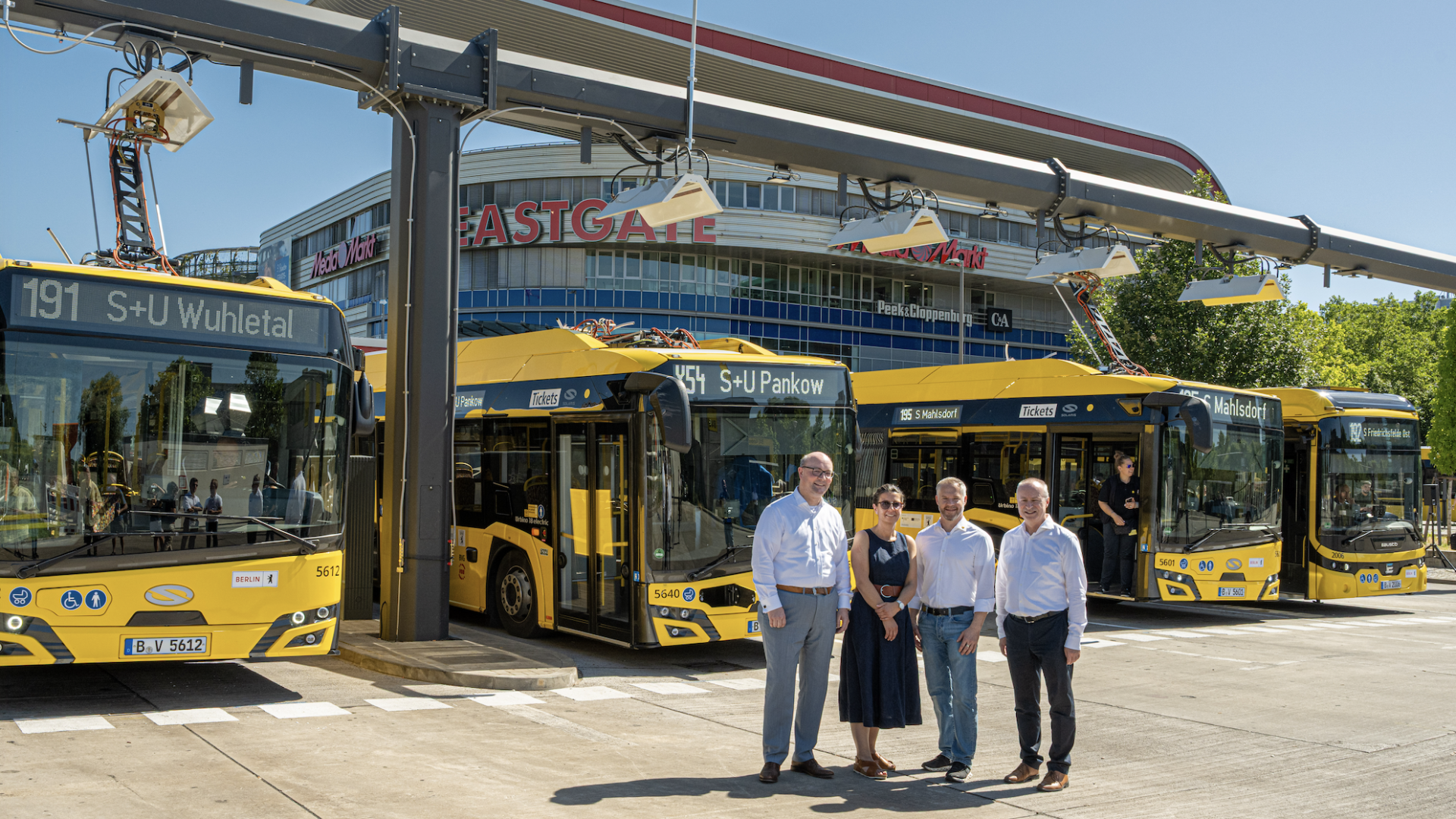
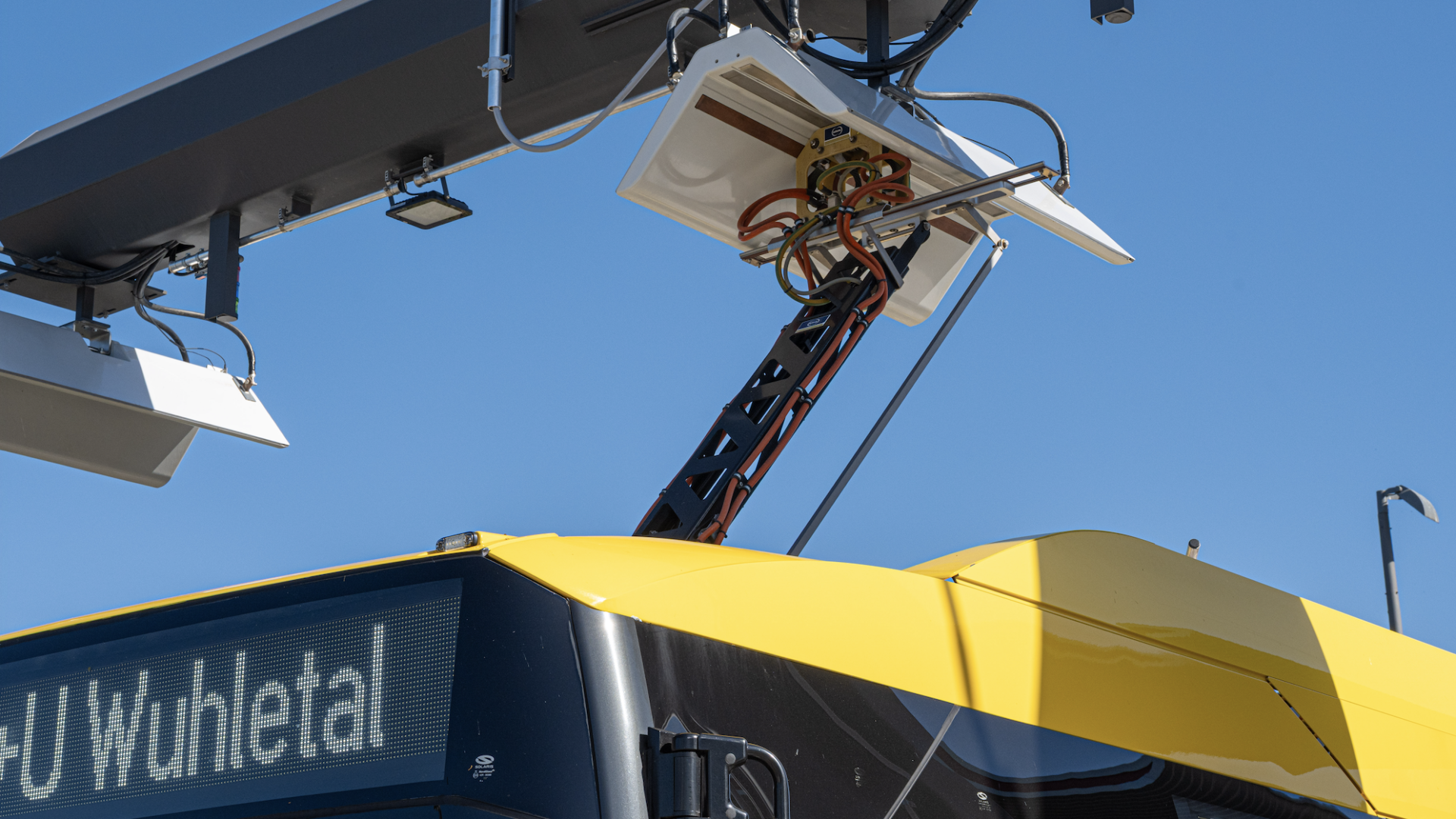
The Berliner Verkehrsbetriebe (BVG) has started test operations of a new fast-charging station at the Marzahn S-Bahn terminal.
BVG is advancing the electrification of its bus operations with the deployment of additional charging infrastructure, aligned with a fleet expansion plan targeting 270 new battery-electric buses by 2027. This would bring the total number of electric buses in operation in Berlin to around 550 units, within a fleet of approximately 1,500 vehicles.
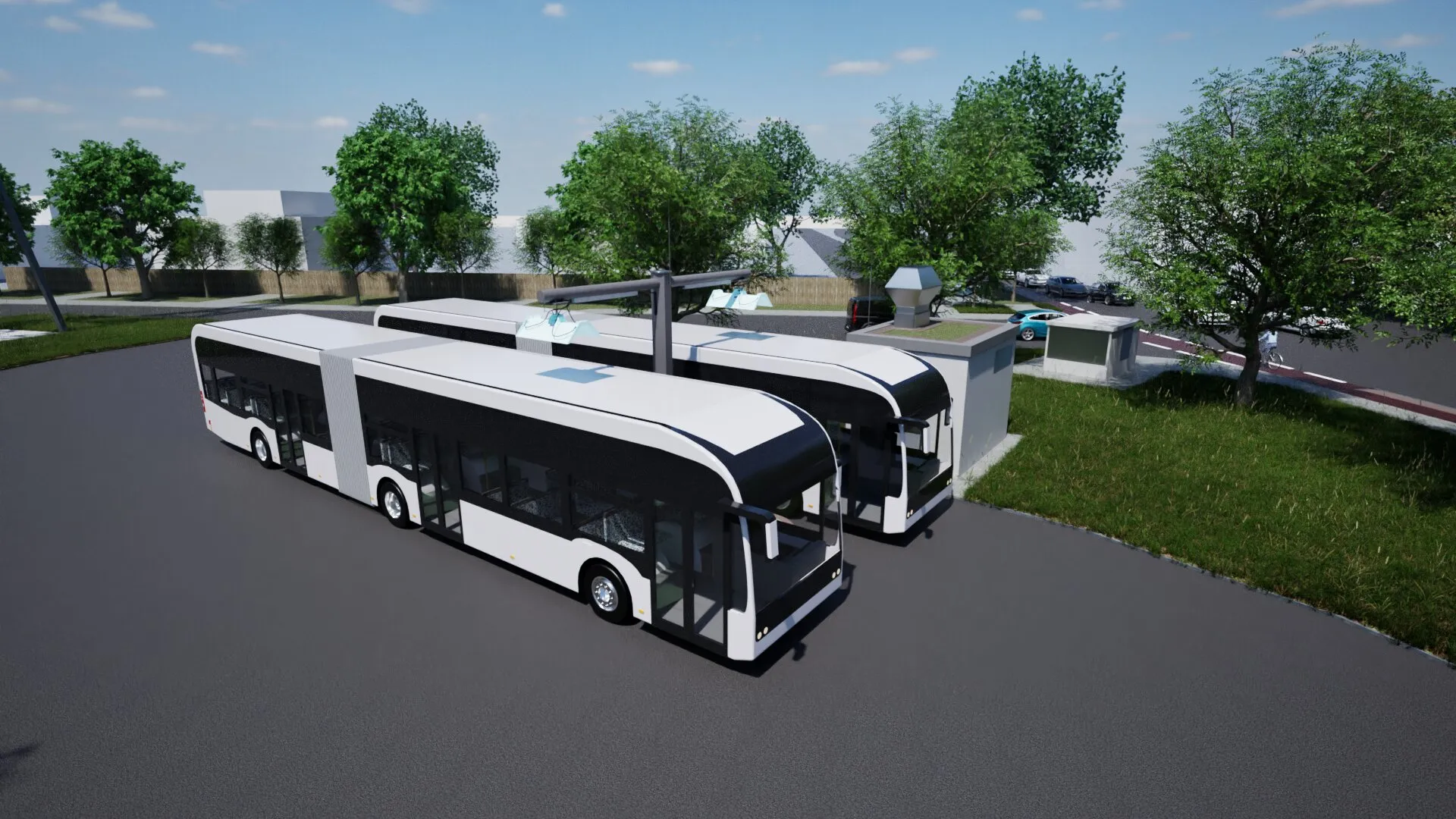
BVG plans to install fast-charging stations at 20 terminal locations across Berlin. Six of these sites are currently under construction, with additional locations under development in Kaulsdorf, Köthener Straße and Kaulsdorf-Nord.
In late 2025 BVG had inaugurated a €120m electric bus depot for 220 vehicles in Berlin (operational in 2027). As of 2025, roughly 15 percent of BVG fleet was electrified. The operator is planning to install pantographs also in depots, based on the assumption that “using pantograph, automation processes can be put in place. That’s why we are building our depots in a way that we can use pantograph technology in place of plug-in charging in a future-proof approach”, as Daniel Hesse, Head of Technology and Innovation, told Sustainable Bus in an interview held last year.
Credit pictures: BVG
Opportunity charging at terminal points for BVG
The newly commissioned fast-charging station at the Marzahn S-Bahn terminus enables opportunity charging during scheduled layovers. Bus routes X54, 191, 195 and 291 are now equipped to use the facility, allowing vehicles to recharge energy during operational pauses and continue service without returning to depots.
Potrebbe interessarti
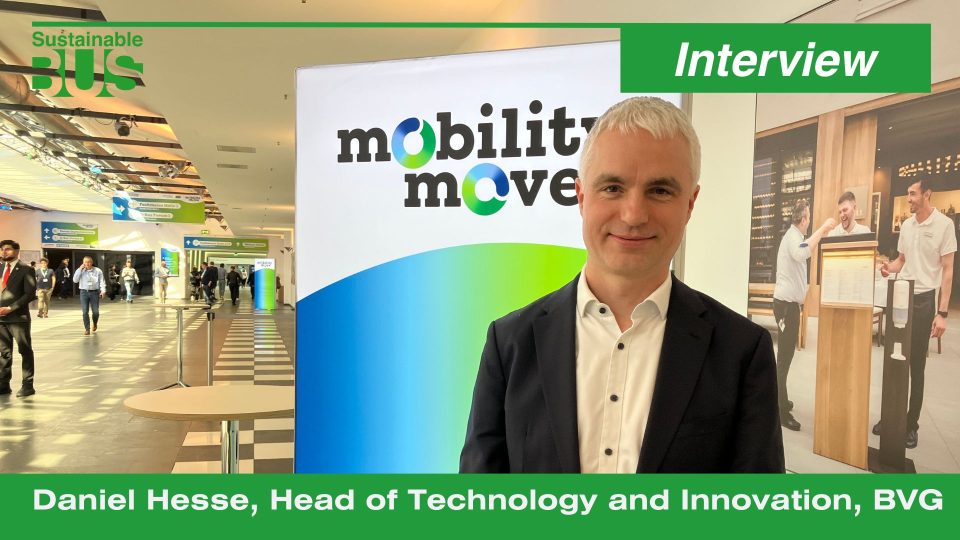
Electrification, fundings issues, the bet on autonomous driving: an interview with BVG’s Daniel Hesse
The charging system forms part of BVG’s broader infrastructure strategy to support an increasing number of electric buses in daily operation. The deployment of terminal-based charging is designed to complement depot charging systems already in place across the network.
According to BVG, the Marzahn installation marks a milestone in the rollout of fast-charging infrastructure across the city.
In brief
- What has BVG launched in Marzahn? A fast-charging station for electric buses at the S-Bahn terminal, now in test operation.
- Which routes are using the new charger? Lines X54, 191, 195 and 291 are currently equipped for opportunity charging.
- How many charging sites are planned? A total of 20 terminal charging locations are planned across Berlin.
- What is the fleet electrification target? Around one-third of BVG’s 1,500-vehicle fleet is expected to be electric by 2027.
Goal: one third of the fleet electric in 2027
The infrastructure rollout is aligned with the operator’s objective to have approximately one-third of its fleet electrified by 2027. Alongside terminal charging, BVG is expanding depot capacity with new e-bus facilities in Säntisstraße and Treptow.
Funding for the electrification programme is provided through Germany’s “Richtlinie zur Förderung alternativer Antriebe von Bussen im Personenverkehr”, with total support of €160 million from the Federal Ministry for Digital and Transport. The funding is coordinated by NOW GmbH and implemented by Project Management Jülich, with additional support from the Berlin Senate administration.
The programme is also linked to the German Recovery and Resilience Plan (DARP), financed through the European Union’s NextGenerationEU framework.
Marc Hermann, BVG Board Member for Technology and Infrastructure: “Every new charging point brings us closer to an emission-free bus fleet. Thanks to the new infrastructure, we can charge our buses highly efficiently directly during operation: The vehicles simply recharge during regular breaks and continue driving immediately. This makes us extremely flexible and efficient in our daily operations.”
Claudia Elif Stutz, State Secretary at the Federal Ministry of Transport: “Our goal is a public transport system that is climate-friendly, modern, and practical for everyday use. We are supporting BVG with a total of €160 million in its consistent transition to electric buses – and this commitment continues: In 2026, the Federal Ministry of Transport will again provide funding nationwide to transport companies that switch to climate-friendly buses.”
Arne Herz, State Secretary in the Senate Department for Mobility, Transport, Climate Protection and the Environment: “With each new terminal charging station of the ‘Stella’ project, the backbone of a quiet, clean bus fleet grows – right in the heart of the city, directly during ongoing operations. What begins in Marzahn will become the standard for the entire city: a total of 20 terminal stops will serve as charging points in the future, ensuring that our electric buses remain on the road longer. By 2027, around one-third of the BVG fleet will be electric – this is the result of consistent planning, targeted funding, and close cooperation between the state, the federal government, and BVG.”
Nadja Zivkovic, District Mayor: “BVG buses play a central role in Marzahn-Hellersdorf, connecting the neighborhoods and keeping the district mobile. The Marzahn S-Bahn station serves as an important transport hub. If electric buses can reliably charge there in the future, it will not only strengthen the reliability of the service but also make public transport more comfortable and future-proof. Three additional electric bus terminals are currently being established: in Kaulsdorf, on Köthener Straße, and in Kaulsdorf-Nord. These investments are necessary to ensure that public transport in Marzahn-Hellersdorf remains modern and efficient”.